

 One app for all your study abroad needs













BiPC stands for Biology, Physics and Chemistry, which is one of the most popular subject combinations for science students. But many students are curious about what comes after choosing the BiPC stream. From BSc Biotechnology to medical journalism, research, forensic sciences, environmental studies, and even specialised allied health courses, BiPC opens the door to a wide variety of careers. In this blog, we will discuss all that you need to know about the BiPC, along with its subjects, advantages, courses and universities.
This Blog Includes:
What is BiPC?
The full form of BiPC is Biology, Physics and Chemistry and refers to the combination of subjects in the science stream at the intermediate or pre-university level in India. It is chosen by students interested in medical, life sciences, biotechnology, or healthcare-related fields. BiPC opens pathways to courses like MBBS, BDS, BSc programmes, allied health sciences, and many non-NEET medical careers.
Also Read: Tips for Preparing for Competitive and Entrance Exam
BiPC Advantages
There is immense scope for BiPC students to explore a wide range of fields and specialisations under this subject combination. Some of the most popular BiPC courses are MBBS, BSc Nursing, B Pharmacy, Paramedical Courses, Ayurveda Courses, Homoeopathy Courses, Allied Health Courses, BSc Physics, BSc Chemistry, amongst others. Here are the top benefits of taking the BiPC intermediate:
- You are not necessarily required to appear for NEET after taking BiPC, since there are several courses other than MBBS in these subjects that you can explore.
- You can also pursue short-term courses after BiPC, like D Pharmacy, Homoeopathy courses, Paramedical courses, etc.
- Not only the medical field, but you can also explore lucrative careers in research, academia, medical journalism, etc., by taking BiPC in intermediate.
BiPC Courses
There are various courses after 12th PCB which you can choose from to build a career in any of these fields. Take a look at the following list of programs you must explore if you have studied any of these 12th science stream subjects:
| Subject | Courses After 12th |
| Biology | BSc Biology MBBS Bachelor of Dental Science (BDS) BHMS course Biotechnology Courses BSc Zoology BSc Microbiology BSc Geology Bachelor of Ayurvedic Medicine and Surgery(BAMS) BSc Radiology BSc Anesthesia |
| Physics | BSc Physics BSc Engineering Physics BSc Applied Physics BSc Astrophysics BSc Biophysics |
| Chemistry | BSc Chemistry BSc Biochemistry BSc Forensic Science BSc in Natural Sciences BSc Genetics Bachelor of Medicinal Chemistry Bachelor of Engineering Chemistry |
| Interdisciplinary Courses | BSc Psychology BSc (Agriculture Mktg and Business Management) BSc (Biochem and Agricultural Chemistry) BSc in Crop Physiology BSc in Entomology BSc in Agronomy BSc in Agricultural Meteorology BSc in Agricultural Biotechnology BSc in Agriculture Food Technology Courses BE in Man-Made Fibre Technology BE in Textile Technology BE in Textile Chemistry BSc Zoology BSc Botany |
To know more, check out the complete list of Courses After BiPC!
Which is Best, MPC or BiPC?
BiPC subjects are commonly opted for by students wanting to pursue a career in medicine, and MPC is for Engineering and Architecture aspirants. Here are the key differences between MPC and BiPC:
| Difference | MPC Subjects | BiPC Subjects |
| Full Form | Maths, Physics, Chemistry | Biology, Physics, Chemistry |
| Courses | B.Tech, B.E., B.Sc., Bachelor of Architecture | MBBS, BSc, BDS, Paramedical Courses |
| Careers | Engineering, Architecture, Information Technology | Medicine, Nursing, Medical Administration |
| Difficulty Level | Considered more difficult than BiPC | Considered relatively easier than MPC |
BiPC Subjects
BiPC consists of three subjects, mainly biology, Physics and Chemistry. These subjects are broad and complex in themselves. Here we have written in detail about these subjects along with their important concepts.
Biology
Biology, a term coined by Lamarck, is the study of all types of living organisms. As a natural science field, it focuses on the vital life processes, organisation and occurrence of living creatures. There are many branches of biology, the most famous are: Zoology, Botany, and Microbiology. While Zoology is the study of the animal kingdom, Botany deals with the study of plant life. Microbiology, on the other hand, is the science of microorganisms.
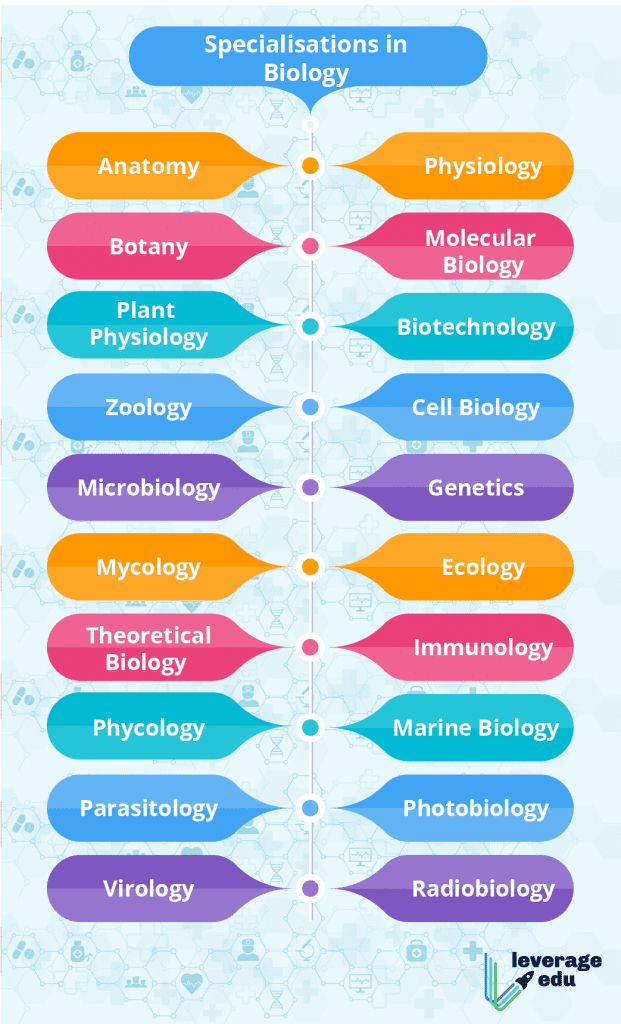
Here is an exhaustive list of all the topics that you will come across while studying Biology in BiPC subjects:
- The Living World
- Biological Classification
- Plant Kingdom
- Animal Kingdom
- Morphology of Flowering Plants
- Anatomy of Flowering Plants
- Structural Organisation in Animals
- Cell: The Unit of Life
- Biomolecules
- Cell Cycle and Cell Division
- Transport in Plants
- Mineral Nutrition
- Photosynthesis in Higher Plants
- Respiration in Plants
- Plant Growth and Development
- Digestion and Absorption
- Breathing and Exchange of Gases
- Body Fluids and Circulation
- Excretory Products and Their Elimination
- Locomotion and Movement
- Neural Control and Coordination
- Chemical Coordination and Integration
Physics
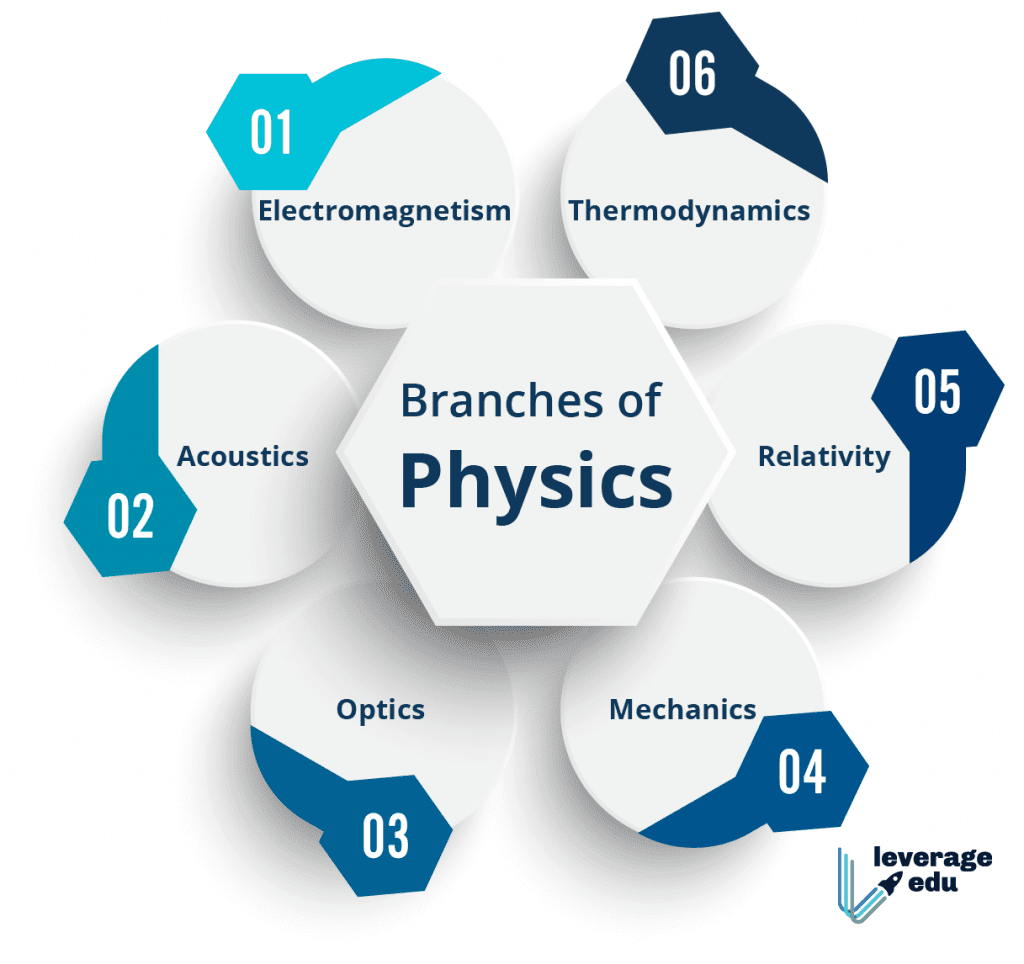
Another natural science branch, Physics, is the study of the observable components of the Universe. An important part of BiPC subjects, it broadly deals with the study of energy, matter and how they depend on each other. Biophysics, a newly emerging field, is now becoming popular among students. It is an interdisciplinary branch which helps in solving Biology problems using Physics concepts. A sound knowledge of physics and biology will help you in pursuing this course.
Let us now look at some of the important topics included in physics under BiPC subjects:
- Rectilinear and Non-Rectilinear motion
- The three laws of motion
- Concepts of work, energy and power
- Thermodynamics and its laws
- Gravitational Concepts
- Thermal Properties of Matter
- Dual Nature of Matter
- Kinetic Theory of Gases
- Basic concepts of electricity and magnetism
- Electromagnetic waves, Induction and Alternating Currents
- Communication Systems and Electronic Devices
Also Read: Best Future Courses For BiPC Students in UK in 2025
Chemistry
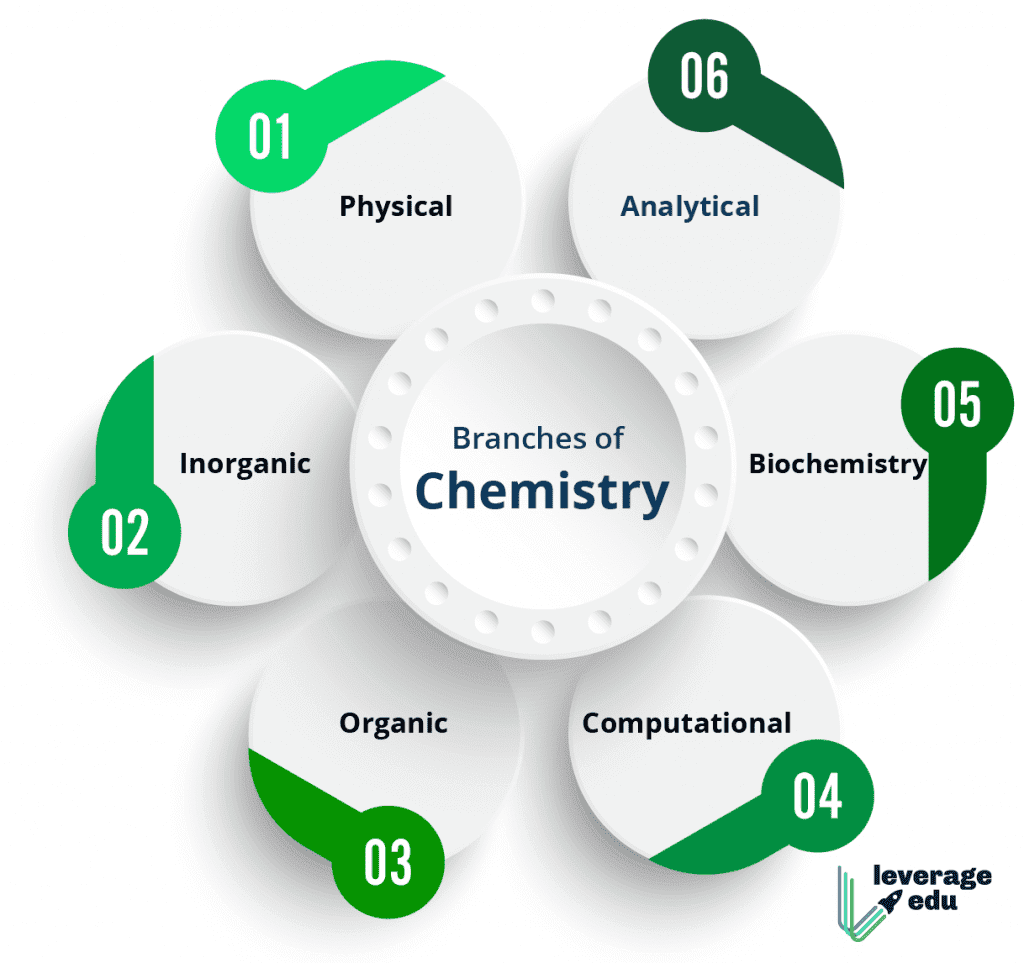
Chemistry has immense importance in the medical field. From understanding the chemical composition and improving the potency of drugs to disease diagnosis and genome sequencing, knowledge of this subject helps in the overall development of medical science. An integral part of BiPC subjects, a sound knowledge of different branches of Chemistry will open up doors to careers in fields like Marine Biology, Biochemistry, and Genetics.
Below is a list of important topics covered in Chemistry:
- Element classification and properties
- Chemical bonds, their types and properties
- Biomolecules, Polymers, and Hydrocarbons
- Structure of Atoms and Molecules
- Redox Reactions and Chemical Kinetics
- States of Matter
- Coordination Compounds
- Chemical Thermodynamics
- s-, p-, d-, f-Block Elements and their Properties
- Organic and Inorganic Chemistry
- Electro, Surface, and Environmental Chemistry
- Ethers, Alcohols, and Phenols
- Ketones, Carboxylic acids, and Aldehydes
- Types and Properties of Solutions
Top Universities for Courses After BiPC
There are various world-leading universities across the globe which offer a wide range of courses in BiPC subjects. Check out the following top universities in the world, which are renowned for providing the best exposure and research opportunities for those planning to build a career in Biology, Physics or Chemistry:
| University | Country | Fees approx |
| Harvard University | United States | USD 50k – USD 55k |
| University of Oxford | United Kingdom | GBP 10k – GBP 15k |
| University of Cambridge | United Kingdom | GBP 10k – GBP 15k |
| Stanford University | United States | USD 60k – USD 65k |
| John Hopkins University | United States | USD 60k – USD 65k |
| Karolinska Institute | Sweden | – |
| University of California, Los Angeles | United States | USD 60k – USD 65k |
| University College London | United Kingdom | – |
| Yale University | United States | USD 65k – USD 70k |
| Imperial College London | United Kingdom | GBP 15k – GBP 20k |
Career Options After BiPC
BiPC students can explore a wide range of careers in medicine, pharmacy, agriculture, and life sciences. From becoming a doctor, dentist, or pharmacist to pursuing fields like biotechnology, nursing, physiotherapy, and veterinary science, the opportunities are diverse and rewarding.
Studying BiPC opens up a wide range of career opportunities in medicine, healthcare, and science. Popular courses after BiPC include:
- Medical Courses: MBBS, BDS, BHMS, BAMS, BUMS
- Allied Health Courses: B.Sc. Nursing, BPT (Physiotherapy), BOT (Occupational Therapy), B.Sc. Radiology
- Pharmacy Courses: B.Pharm, Pharm.D
- Life Sciences: B.Sc. Biotechnology, Microbiology, Genetics, Biochemistry, Zoology, Botany
- Veterinary Science: B.V.Sc & Animal Husbandry
- Agricultural Science: B.Sc. Agriculture, Forestry, Horticulture
- Research & Teaching: Integrated M.Sc., B.Sc. + M.Sc. programs
FAQs
The full form of BiPC is Biology, Physics and Chemistry and is a subject combination in the science stream. BiPC courses commonly include MBBS, BSc Nursing, BSc Physics, BSc Chemistry, BSc Zoology, BSc Botany, B Pharmacy and Paramedical courses.
To ace your marks in BiPC, you will need a strong study schedule, efficient time management, and mastery of these three subjects and their branches. Make sure that you prepare a timetable for exams, create a list of your strong and weak concepts, and do effective planning beforehand to crack each subject.
BiPC is one of the hottest and beneficial subject combinations in intermediate, as you can explore a wide range of courses apart from MBBS, such as paramedical courses, allied health courses, and specialisations like Marine Biology, Zoology, Biochemistry, Biotechnology, Food Technology, Physical Chemistry, amongst others.
Some of the best courses for BiPC students include MBBS, BDS, BSc Nursing, BSc Biotechnology, BSc Microbiology, BPharmacy, Physiotherapy, Agriculture, Forensic Science, Medical Lab Technology, and several allied health science programs that offer strong career opportunities.
The future of BiPC is very promising, offering careers in medicine, biotechnology, pharmacy, research, agriculture, forensic science, and allied health fields.
Related Reads
If you need any help in exploring career opportunities with BiPC subjects, then you can get in touch with the team at Leverage Edu, where the mentors and counsellors will guide you in pursuing the right career.


 60,000+ students trusted us with their dreams. Take the first step today!
10 comments
Thanks for helping me a lot ur information is soo valuable and it contains lot of meaning it helps many students
Thank you!
Nice
thanks!
Thank u
Thanks for reading.
Also, check: Courses After BiPC: All You Need To Know
Thanks for giving this information
I have a confussion about taking mpc and bipc thanks for the conformation
i just want to choose a best carrier and course as a branch of bipc
Hey Spoorthi,
The best course is the course you want to take up. You have to choose a course that you are interested in, and that can make you earn well. For example, if you are interested in the medical field you can take up an MBBS degree and become a doctor. On the other hand, if you want to become a bio technologist the best course for you is B.Sc Biotechnology followed by Msc biotechnology or a MBA in biotechnology. Similarly, if you want to become a dentist, a BDS degree is suitable for you.
Ultimately, the choice is yours. While choosing a course to take into account the duration of the course, and scope after completing studies. If you want specialised consultation on studying abroad consult the study abroad experts at Leverage Edu. You can also call us at-1800 57 2000.