

 One app for all your study abroad needs

















Japan, renowned worldwide as a hub of animation, provides an incredible opportunity for international students to dive into the art of anime and manga. For aspiring animators eager to develop their skills and create the next generation of captivating stories, the country boasts a range of prestigious animation schools offering specialised programs. Institutions such as Kyoto Seika University, Tokyo University of the Arts, Tama Art University, Musashino Art University, and Osaka University of Arts cover everything from traditional hand-drawn animation and character design to advanced 3D animation and digital content creation.
Tuition fees vary depending on the program and university, typically ranging from 1,000,000 to 1,800,000 JPY per year for undergraduate studies. These top animation schools in Japan provide comprehensive training to equip students with both technical expertise and creative vision essential for success in the booming animation industry. Some specialized programs, like those at the Toei Animation Institute, even offer unique opportunities such as free courses or living stipends, though Japanese language proficiency is usually required.
This Blog Includes:
- Why Study Animation in Japan?
- Top Animation Schools in Japan for International Students
- Tokyo University of the Arts
- Tokyo Designer Gakuin
- Yoyogi Animation Gakuin
- Amusement Media School Sougou Gakuin
- Tokyo Animation College
- Kyoto Seika University
- Eligibility Criteria for Animation Schools in Japan
- Admission Process for Animation Schools in Japan
- Job Opportunities After Animation in Japan
- FAQs
Why Study Animation in Japan?
Studying animation in Japan offers a unique and invaluable experience for aspiring animators, particularly those drawn to the distinctive art form of anime. Here’s why study animation in Japan:
- Japan is the undisputed home of anime and manga. Studying here means immersing yourself in the cultural bedrock that fostered this art form.
- In 2025, Japan’s anime production landscape continues to evolve rapidly. According to recent industry reports, there are now around 293 animation production companies operating in the country.
- Japanese animation schools offer a wide range of programs, from traditional hand-drawn techniques to cutting-edge 3D animation, digital content creation, character design, storyboarding, and sound design.
- Home to prestigious art universities with strong animation departments (e.g., Kyoto Seika, Tokyo University of the Arts).
- Studying in Japan allows you to build a valuable network with fellow aspiring animators, professors, and industry professionals.
- Japanese animation studios are increasingly adopting advanced technologies like CGI and AI-driven animation to enhance production quality and efficiency. Learning in this environment exposes you to the forefront of animation technology.
- Graduates can pursue diverse roles such as animation artists, directors, character designers, storyboard artists, 3D modelers, game industry creators, and technicians in animation and video production companies.
Top Animation Schools in Japan for International Students
Japan offers an exceptional environment for international students passionate about animation, especially given its status as the global heart of anime and manga. Here’s a comprehensive table summarizing top animation and related schools in Japan for international students, including their primary specializations and estimated average annual tuition fees:
| Top Animation Schools in Japan | School Type | Primary Specializations | Average Annual Tuition |
| Kyoto Seika University | Private Univ. | Hand-drawn Animation, 3D CG, Character Design, Storyboarding, Stop-Motion, Sound Design; strong focus on expressive movement within their renowned Faculty of Manga. Also Manga, Illustration. | JPY 1,200,000 – JPY 1,600,000 |
| Tokyo University of the Arts (Geidai) | National Univ. | Artistic & Experimental Animation, New Media, Film, Installation Art. Focuses on animation as a fine art, pushing creative and experimental boundaries at the graduate level. | ~JPY 642,960 |
| Tama Art University | Private Univ. | Animation within Information Design, Graphic Design, or Integrated Design; covers digital, experimental, and broader visual communication skills. | JPY 1,200,000 – JPY 1,700,000 |
| Musashino Art University | Private Univ. | Animation (hand-drawn to digital, CG) within the Department of Imaging Arts and Sciences. Also covers photography, film, media art, and interactive art. | ~JPY 1,210,000 (plus fees) |
| Osaka University of Arts | Private Univ. | Animation, Character Design, Digital Media, Manga, Multimedia Content Creation. Offers diverse programs in visual arts. | JPY 1,000,000 – JPY 1,800,000 |
| Fukuoka College of Design & Technology | Vocational | Comprehensive Animation (2D, 3D), Comics & Illustration, Manga, Game Graphics & Character Design, CG Movie Creation. | ~JPY 1,100,000 |
| Tokyo Designer Gakuin College (TDG) | Vocational | Animation (2D, 3D), Manga, Illustration, Game Design, Graphic Design, Interior Design, Fashion, Photography. Offers a wide range of specialized design programs. | ~JPY 1,352,000 (first year total) |
| Amusement Media School (AMS) | Vocational | Animation (Animator, Director, Production), Manga Artist, Voice Acting, Game Creator, Character Design. Highly specialized practical training for entertainment industries. | JPY 1,200,000 – JPY 1,500,000 |
| Toei Animation Institute | Vocational (Studio-affiliated) | Highly specialized training in various aspects of animation production, directly linked to Toei Animation. | Potentially Free (Highly Competitive) |
| Tokyo Animation College | Vocational | Anime Production, Animator/Animation, Character Design, Complete Comics, Storyboarding. | JPY 1,000,000 – JPY 1,500,000 |
| Japan Animation and Manga College (JAM) | Vocational | Animation, Manga Artist, Comic Illustrator, Game Creator, Character Designer, Light Novel Writer. | JPY 1,000,000 – JPY 1,400,000 |
| Japan Manga Institute | Vocational | Manga Artist, Comic Artist, Illustrator. While primarily focused on manga, animation skills are often integrated. | Varies, likely JPY 1,000,000 – JPY 1,500,000 |
| Tokyo Anime Seiyuu Senmon School | Vocational | Voice Acting (Seiyuu), Anime Song Artist, Anime Production, Character Design, Animation Direction. While focused on voice acting, it has related animation production courses. | Varies, likely JPY 1,000,000 – JPY 1,500,000 |
| Tokyo Game Designer Institute | Vocational | Game Design, Game Programming, Game Graphics, Character Modeling, Level Design. Strong emphasis on game development, often incorporating 3D animation skills. | Varies, likely JPY 1,000,000 – JPY 1,500,000 |
| Sapporo College of Anime | Vocational | Animation, Manga, Voice Acting, Character Design, Game Design. | Varies, likely JPY 1,000,000 – JPY 1,400,000 |
| Kyoto University of Art and Design (now Kyoto University of the Arts) | Private Univ. | Animation, Manga, Character Design, Information Design, Fine Arts. (Note: Often referred to as Kyoto University of the Arts now). | JPY 1,200,000 – JPY 1,600,000 |
Must Read: IELTS VS PTE Difficulty: The Writing Sections
Tokyo University of the Arts
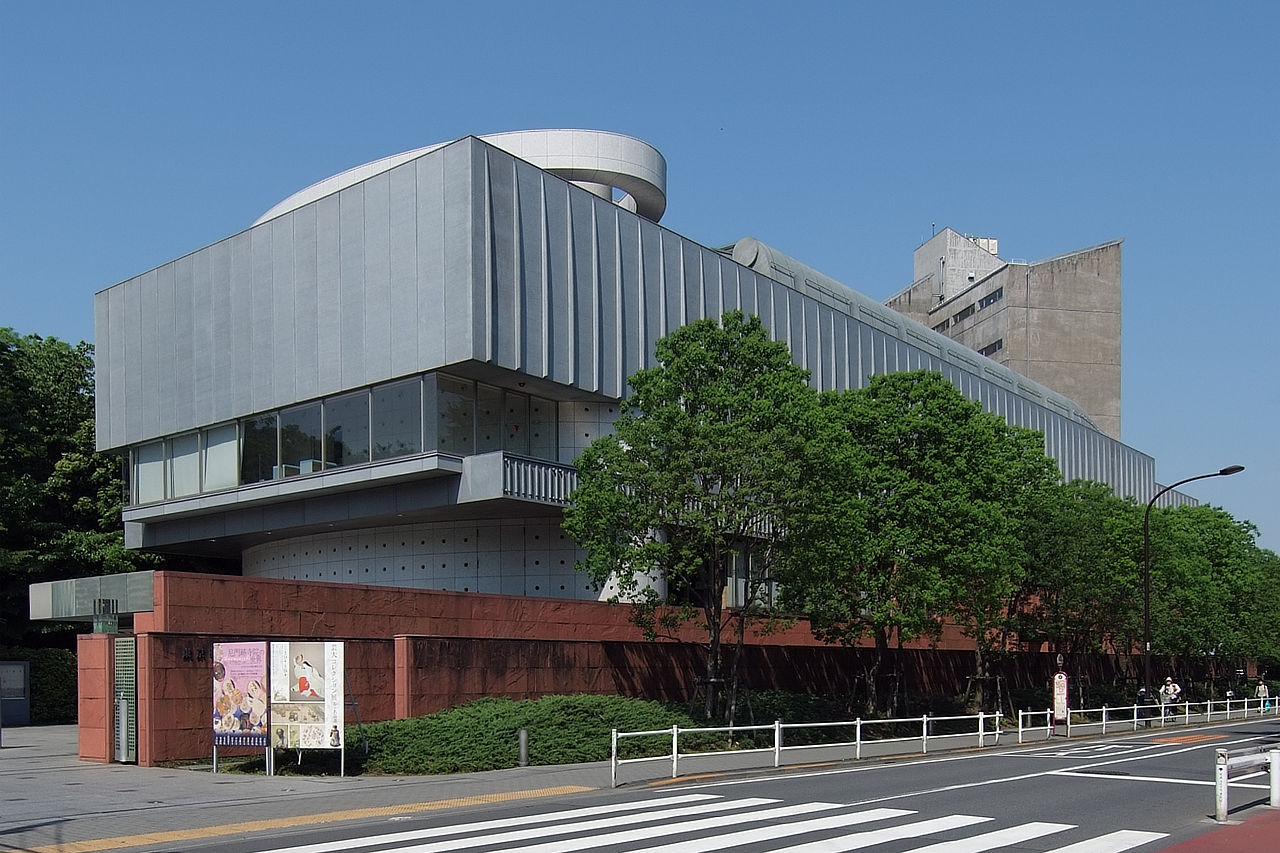
Tokyo University of the Arts (Geidai), Japan’s most prestigious national art institution, offers a highly selective animation program. Established in 2008 within the Graduate School of Film and New Media, it focuses on artistic and experimental animation, aiming to cultivate a “new era of Japanese animation.” This two-year Master’s program encourages students to create original short films under the guidance of the best animators, pushing creative boundaries beyond basic techniques and integrating film business aspects. Tuition fees is approximately 642,960 JPY annually, plus a one-time admission fee. Strong Japanese language proficiency (JLPT N1/N2) and a compelling portfolio are essential for this April intake program.
| Attribute | Details |
| Establishment Year | University founded: 1949. Animation program: 2008. |
| Course Name | Animation (Master’s Program), Graduate School of Film and New Media. |
| Course Duration | 2 years (Master’s Program). |
| Fees (Approx. Annual) | 642,960 JPY Admission Fee (one-time): 338,400 JPY. |
| Intake | Primarily April. |
Tokyo Designer Gakuin
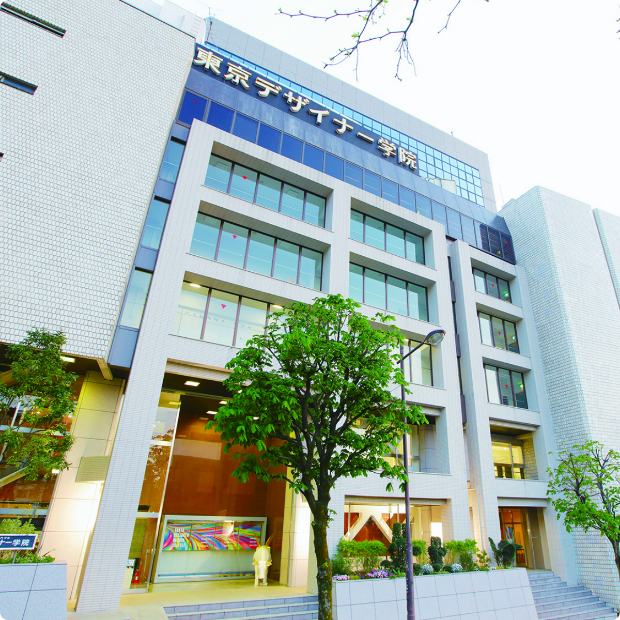
Tokyo Designer Gakuin College (TDG), founded in 1963, is a prominent vocational design school in central Tokyo. It focuses on intensive, practical training for direct industry employment, rather than academic degrees. DG’s Animation Department, with curriculum adopted from sister school Tokyo Cool Japan, offers a comprehensive 2-year program. It emphasizes hands-on, team-based animation production to simulate real-world studio environments. The curriculum covers a wide range of skills, from fundamental drawing and storyboarding to 2D/3D CG animation, character exercises, and film research, all taught by active industry professionals.
Beyond animation, TDG offers diverse creative fields, including graphic design, illustration, manga, game design, and interior design. International students receive support, with application procedures typically requiring at least 12 years of formal education and Japanese language proficiency (JLPT N2 or N1 preferred).
| Attribute | Details |
| Establishment Year | 1963 |
| Course Name | Graphic Design, Illustration, Manga, Game Design, Interior Design, and more |
| Course Duration | 2-year |
| Fees (Approx. Annual) | Approx. JPY 1,247,000 (excluding some fees) |
| Intake | April |
Yoyogi Animation Gakuin

Yoyogi Animation Gakuin (YoAni), established in May 1978, is a renowned vocational school for aspiring anime and manga artists in Japan. It offers intensive, practical training across various creative fields. While primarily known for its animation programs, YoAni also specializes in manga, illustration, voice acting, and game creation. Course durations typically range from one to two years for most specializations, with some specific programs possibly extending longer. Classes are taught by active industry professionals, providing students with up-to-date techniques and insights into real-world production environments.
The average first-year fees for Yoyogi Animation Gakuin are approximately JPY1,363,250, though this can vary slightly by course and may not include all additional expenses. The primary intake for new students is in April, with application periods typically opening in the preceding autumn. YoAni is known for its extensive network within the anime industry, boasting a high employment rate for its graduates.
| Attribute | Details |
| Establishment Year | May 1978 |
| Course Name | Animator Course, Animation Background Art Course, Animation Producer & Director Course, Illustration Course, Manga Course, Voice Actor Training Course (and others) |
| Course Duration | Primarily 2 years (some variations may exist) |
| Fees (Approx. Annual) | Approx. JPY 1,363,250 |
| Intake | April |
Amusement Media School Sougou Gakuin
Amusement Media School Sougou Gakuin (AMG), established in 1993, is a highly regarded vocational school in Japan specializing in training professionals for the anime, manga, game, and voice acting industries. With campuses in Tokyo and Osaka, AMG provides practical, industry-focused education. AMG offers a wide array of specializations designed to equip students with professional skills from scratch. These include departments for Game Programming, Game Creator, Game/Anime 3DCG, Animation (Animator, Director, Producer), Character Design, Manga and Illustration, Novels and Literature (Light Novel, Anime/Game Scenario), and Voice Acting.
Most courses at AMG have a 2-year duration, providing intensive training in specialized fields. While specific, up-to-date average fees require direct consultation with the school’s latest prospectus, an estimated first-year tuition is often in the range of 1,300,000 to 1,500,000 JPY, which typically covers tuition and some facility fees. The primary intake for new students at Amusement Media School is in April, with admissions processes generally beginning in the preceding autumn.
| Attribute | Details |
| Establishment Year | 1993 |
| Course Name | Game Programmer, Animator, Manga, Voice Actor, etc. |
| Course Duration | Primarily 2 years (some programs may extend) |
| Fees (Approx. Annual) | Approx. 1,300,000 – 1,500,000 JPY |
| Intake | April |
Tokyo Animation College
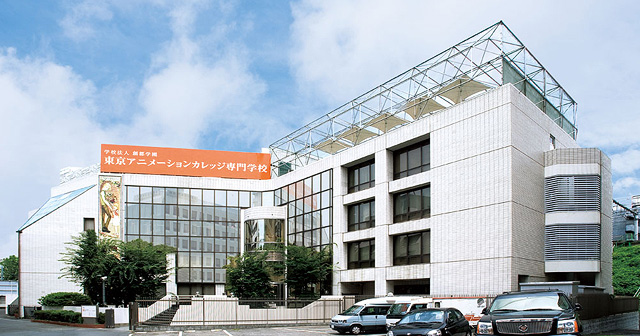
Tokyo Animation College, a leading vocational school with origins in 1979 (officially a specialized training institution from 1984), offers comprehensive programs in anime, manga, and voice acting across its Tokyo and Osaka campuses. The college provides practical, industry-focused training, preparing students for direct employment. Specializations include 2D/3D Animation, Character Design, Storyboarding, Manga, Illustration, Voice Acting, E-Sports, Video/Sound production, and VTuber creation. Most courses are 2 years in duration, though some advanced programs extend to 3 or 4 years. Taught by active industry professionals, the curriculum ensures students learn current techniques. The average first-year tuition is approximately JPY1,650,800, excluding additional costs for materials. The primary intake for new students is in April, with applications typically opening in the preceding autumn.
| Attribute | Details |
| Establishment Year | 1979 (Specialized training institution from 1984) |
| Course Name | Animation Department (2D/3D), Comic/Manga Department, Voiceover Department, E-Sports Department, Video/Sound Department, VTuber Department |
| Course Duration | Primarily 2 years (some 3 or 4-year programs available) |
| Fees (Approx. Annual) | Approx. JPY 1,650,800 (excluding some additional fees like materials, textbooks) |
| Intake | April |
Kyoto Seika University

Kyoto Seika University, established in 1968, is a private four-year university renowned for its diverse artistic and creative programs. Unlike vocational schools, it offers comprehensive university degrees (Bachelor’s, Master’s, and Doctoral) with a strong emphasis on art and culture. Kyoto Seika boasts five undergraduate faculties: Global Culture, Media Creation, Art, Design, and particularly its highly acclaimed Faculty of Manga, which includes animation, comic art, and character design. Other specializations span fine arts, graphic design, illustration, product design, fashion, architecture, and media arts.
Undergraduate courses typically run for 4 years, while Master’s programs are usually 2 years and Doctoral programs 3 years. All classes and entrance examinations are conducted in Japanese, requiring proficiency (e.g., JLPT N2 or N1 preferred). Average annual tuition fees vary by faculty, ranging from approximately 1,086,000 to 1,579,000 JPY for undergraduate programs, plus an admission fee (around JPY 200,000 for international students). Graduate fees are also distinct. The primary intake for all programs is in April, with various application periods throughout the preceding year.
| Attribute | Details |
| Establishment Year | 1968 |
| Course Name | Animation Course, Comic Art Course, New Generation Manga Course, Character Design Course, Oil Painting Course, Graphic Design Course, Product Design Course, Fashion Design Course, etc. |
| Course Duration | Undergraduate: 4 years; Master’s: 2 years; Doctoral: 3 years |
| Fees (Approx. Annual) | Undergraduate: JPY1,086,000 – JPY 1,579,000 (plus admission fee) |
| Intake | April |
Also Read: Best University in Japan for International Students
Eligibility Criteria for Animation Schools in Japan
Japanese animation schools, whether universities or vocational colleges, have specific eligibility criteria for international students, primarily revolving around academic background and Japanese language proficiency.
- For vocational schools generally requires completion of at least 12 years of formal education, equivalent to a Japanese high school diploma.
- For universities (Bachelor’s Degree) requires completion of 12 years of schooling, usually with a high school diploma or equivalent.
- For graduate programs (Master’s/Doctoral) requires a relevant Bachelor’s degree from an accredited institution.
- Applicants are usually required to demonstrate proficiency by passing the Japanese Language Proficiency Test (JLPT), typically at N2 or N1 level.
- For animation and other art-related programs, a portfolio showcasing your artistic skills and previous work (drawings, digital art, animation projects) is almost always required.
- International students must provide proof of financial support to cover their tuition fees and living expenses for the duration of their study in Japan.
- Documents required typically include academic transcripts and diplomas, Japanese language proficiency certificates (JLPT/EJU), a portfolio of artistic work, proof of financial support, a valid passport, and a completed application form, sometimes with a personal statement or essay.
Admission Process for Animation Schools in Japan
To begin your journey into the vibrant world of Japanese animation schools, understanding their admission process as an international student is important. It’s a detailed path, so let’s break it down step by step to help you navigate your application successfully.
- Ensure your complete application packet is submitted by the stated deadline, following the school’s preferred method (online or postal mail).
- Many schools conduct their own entrance exams. These can involve: written tests, practical Tests, and interviews.
- If your application is successful, you’ll receive an acceptance letter from the school.
- The school will then typically act as your sponsor and apply for a Certificate of Eligibility (CoE) on your behalf to the Japanese Immigration Services Agency. This document is vital for obtaining your student visa.
- Once you receive the CoE, you’ll apply for a Student Visa at the Japanese embassy or consulate in your home country, submitting your CoE, passport, acceptance letter, and other required documents.
- After visa approval, you can finalize travel plans and relocate to Japan for enrollment. Upon arrival, you’ll complete local registration procedures, including obtaining your Residence Card.
Required Documents
Attending an animation school in Japan as an international student requires a combination of academic, financial, and visa-related documents. While specific requirements can vary slightly between schools, here’s a comprehensive list of commonly requested documents:
- Application Form
- Graduation Certificate/Diploma
- Academic Transcripts
- Proof of Japanese Language Proficiency
- Portfolio
- Recommendation Letter(s)
- Photographs (e.g., 4cm x 3cm)
- Essay/Statement of Purpose
- Admissions Examination Fee
- Proof of Financial Support:
- Passport
- Certificate of Eligibility (COE)
- Medical Certificate
Job Opportunities After Animation in Japan
Here’s a table summarizing job opportunities, top companies, and average salaries for animators in Japan, particularly for international students. Remember that Japanese language proficiency is an important factor for most of these roles.
| Category | Top Companies | Average Annual Salary |
| Traditional 2D Animation | Anime Studios: Studio Ghibli, Toei Animation, Kyoto Animation, MAPPA Studio, Ufotable, Production I.G., Madhouse, Sunrise (Bandai Namco Filmworks), Bones, OLM, Inc., Science SARU. | Overall Animator Avg: JPY 4,421,166 Entry-level: JPY 2,500,000 – JPY 3,500,000 |
| 3D Animation/CG | Game Studios: Square Enix, SEGA, Konami, Bandai Namco, Nintendo. CG Studios: Polygon Pictures, Marza Animation Planet, Domerica. | 3D Animator Avg: JPY 8,183,498 Entry-level (3D Animator): JPY 6,261,162 |
| Supporting Roles | All major animation and game studios. | Varies widely by role. (PAs often start lower, designers can earn more.) |
| Other Industries | Advertising agencies, smaller production houses, or direct clients. | Highly variable based on projects and experience. |
FAQs
Ans. The top animation schools in Japan include:
Tokyo University of the Arts
Osaka Animation School
Fukuoka college of design Animation Schools in Japan
Tokyo Designer School
College of International Design
Ans. No, there is no age limit to study animation courses. It can be used in early infancy, elementary and secondary schools, and even colleges. The rise in the number of popular TV animated series for adults demonstrates that this is a medium that also appeals to older people.
Ans. For the application process, you can simply register yourself on the official websites of your desired colleges, submit the requisite details, pay the application fee and wait for their response.
Ans. Japan is an excellent choice for studying animation, especially if you’re passionate about anime and manga styles. It offers a unique opportunity to immerse yourself in the birthplace of this global art form, learn from industry veterans, and gain a deep understanding of Japanese animation techniques and culture
Ans. The cost of animation school in Japan for international students typically ranges from 1,100,000 to 1,600,000 JPY (around 7,000 to 10,500 USD) per year for tuition. This doesn’t usually include initial admission fees or other costs like textbooks and living expenses, which you’ll need to budget for separately. Keep in mind that prices can vary between different schools and programs.
So, this was all about the “Animation Schools in Japan”. Many Indian students dream of pursuing education in the Japan due to the exposure and career growth it offers. Consider joining a free counseling session with Leverage Edu if you plan to study abroad.


 60,000+ students trusted us with their dreams. Take the first step today!
5 comments
I want to create realistic anime
Hi Abhay,
Anime is gaining popularity amongst the youth day by day. Creating realistic anime is an excellent idea which we think can be done if you pursue animation after your 12th. Read our blog on the same- https://leverageedu.com/blog/animation-course-after-12th/.
I want to do pg. Will there be any skill based / grade based scholarship available for the Tokyo university of arts
I have finished my 10th back in 2016 I was working till now it’s the any close based on 10th now
Hey Kiran,
Yes, there are options for you to study animation in Japan even with a gap after your 10th grade. Many Japanese animation schools accept students with diverse academic backgrounds. If you wish to study animation in a Japanese institute, then research school like:
1. Tokyo University of the Arts
2. Kyoto Seika University
3. Tokyo Designer Gakuin
4. Yoyogi Animation Gakuin
You can also learn How to Cover up Gap Year for your Study Abroad Plans here: https://leverageedu.com/learn/web-stories/how-to-cover-up-gap-year-for-your-study-abroad-plans/
If you’re ready to take the next step in your journey, our study abroad experts at Leverage Edu can help you with everything from choosing the perfect university to guiding you through the application process. Call us immediately at 1800 57 2000 for a free 30-minute counseling session.