

 One app for all your study abroad needs













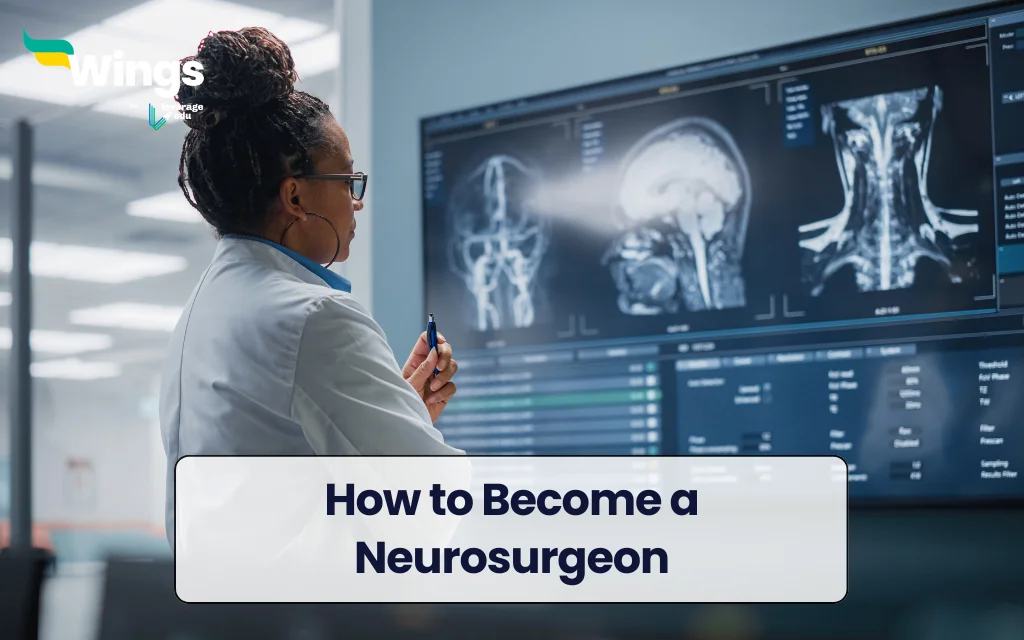
Pursuing a career as a neurosurgeon is a noble and challenging endeavor, requiring years of dedication, academic excellence, and specialized training. If you’re passionate about mastering the complexities of the human nervous system and performing life-changing surgeries, learning how to become a neurosurgeon is your first step.
This highly specialized field involves treating conditions of the brain, spinal cord, and peripheral nerves, demanding precision, resilience, and a commitment to improving patients’ lives. This guide outlines the clear, actionable steps to achieve this rewarding career, tailored for those aiming to study or practice abroad at prestigious institutions.
This Blog Includes:
- Who is a Neurosurgeon?
- How to Become a Neurosurgeon?
- Top Universities Abroad for Neurosurgeons
- Top Indian Colleges for Neurosurgeons
- Eligibility to Become a Neurosurgeon
- Important Subjects for Neurosurgeons
- Skills Required to Become a Neurosurgeon
- Stages of Training for a Neurosurgeon
- Advantages & Disadvantages of Being a Neurosurgeon
- Salary and Future Scope of a Neurosurgeon
- Job Opportunities for Neurosurgeons
- Employment Opportunities and Top Recruiters for a Neurologist
- Scope of Neurology
- FAQs
Who is a Neurosurgeon?
A neurosurgeon is a medical doctor with advanced training in diagnosing and surgically treating disorders of the nervous system, which includes the brain, spinal cord, and peripheral nerves. Beyond performing complex surgeries like brain tumor removals or spinal reconstructions, neurosurgeons also manage non-surgical treatments and collaborate with other specialists to ensure comprehensive patient care.
Key Responsibilities of a Neurosurgeon:
- Diagnosing neurological conditions using advanced imaging (e.g., MRIs, CT scans).
- Performing intricate surgeries, such as aneurysm repairs or deep brain stimulation.
- Managing pre- and post-operative care for optimal patient outcomes.
- Collaborating with neurologists, oncologists, and therapists for holistic treatment plans.
Understanding how to become a neurosurgeon starts with recognizing the depth of expertise and training required for this role.
How to Become a Neurosurgeon?
Becoming a neurosurgeon is one of the most challenging, rigorous, and ultimately rewarding paths in medicine. It requires an exceptional level of dedication, intelligence, manual dexterity, and resilience, typically spanning over a decade of intensive education and training after high school.
Step 1
The students with a 10+2 degree and at least 55% score are eligible to apply for the Medical Entrance Test conducted throughout the country (NEET) and also by individual states. Clearing this test is important to get into a medical college for an MBBS degree. Some institutes conduct separate tests such as AIIMS, AFMC, GMCH, and more. These exams are conducted once every year with a limited number of attempts by an individual candidate.
Step 2
Students can then take admission in the 4 years of MBBS course in respective colleges after clearing the medical entrance exam. Post MBBS, an MS degree of 1-2 years in neurosurgery is also compulsory to undertake.
Step 3
Post the completion of the MSc Neurosurgery degree or course, candidates can enroll themselves for M.Ch Neurosurgery or Master of Chirurgiae in Neurosurgery which is also a postgraduate degree program undertaken by medical students and practitioners to achieve expertise in Neurosurgery. The course is of 2-3 years of duration and includes specialized training in Neurosurgery.
Step 4
After completing all the training and completing the postgraduate degree, neurosurgeons can get registered to find jobs in both private and government hospitals or health centres. They can even establish their neurosurgical centres as well.
Also Read: CMA Course Details
Top Universities Abroad for Neurosurgeons
Pursuing neurosurgery training at world-class institutions enhances your skills and global employability. Listed below are some of the most renowned universities from around the world that offer a course in Neurosurgery.
| Country | Top Universities Name | Average Annual Tuition Fees |
| USA | Harvard University, Johns Hopkins University, UCSF, Mayo Clinic, Stanford University, Columbia University, Washington University in St. Louis | USD 55,000 – 75,000+ (approx. INR 45 – 62 Lakhs) |
| UK | University of Oxford, University of Cambridge, University College London (UCL), Imperial College London, King’s College London | GBP 35,000 – 60,000+ (approx. INR 37 – 64 Lakhs) |
| Canada | University of Toronto, McGill University, University of British Columbia, University of Alberta | CAD 70,000 – 100,000+ (approx. INR 42 – 60 Lakhs) |
| Germany | Charité – Universitätsmedizin Berlin, Heidelberg University Hospital, Hannover Medical School, University Hospital Tübingen | Public: ~EUR 0 – EUR 3,000+ (approx. INR 0 – 2.7 Lakhs) per year semester fees |
| Sweden | Karolinska Institute | SEK 150,000 – 200,000+ (approx. INR 12 – 16 Lakhs) for Master’s/PhD |
| Japan | The University of Tokyo Hospital, Kyoto University Hospital | JPY 500,000 – 600,000+ (approx. INR 2.7 – 3.2 Lakhs) for national universities |
Top Indian Colleges for Neurosurgeons
India boasts several prestigious institutions for neurosurgery training, known for their rigorous programs and affordability. Here is a list of the top institutes and colleges that offer Neurosurgery courses and degrees in India:
- All India Institute of Medical Sciences, Delhi
- Maulana Azad Medical College, Delhi
- Christian Medical College, Vellore
- JIPMER College, Puducherry
- Armed Forces Medical College, Pune
- St Johns Medical College, Bangalore
- Kasturba Medical College, Manipal
- Grant Medical College, Mumbai
- Bangalore Medical College and Research Institute, Bangalore
- S.C.B Medical College, Cuttack
Eligibility to Become a Neurosurgeon
The aspiring neurosurgeons must fulfil the following criteria to become successful neurosurgeons.
- Must have passed 12th or equivalent examination with a minimum of 50% from a recognised board.
- Must have cleared the NEET UG Medical entrance exam with the minimum cutoff
- Minimum age of 17 years and maximum of 25 years while appearing for NEET
- MBBS degree from a recognised medical college
- Appear for postgraduate entrance exam for MS degree of 1-2 years
- Get a postgraduate degree from a recognised medical college
- Get enrolled for M.Ch Neurosurgery for 2-3 years
Important Subjects for Neurosurgeons
Now that you have all the knowledge about how to become a Neurosurgeon and the top universities abroad and in India, let’s know about some of the important subjects that you will be studying while pursuing a degree in the same field.
- Human Anatomy
- Human Physiology
- Biochemistry
- Community Medicine
- Forensic Medicine and Toxicology
- Pathology
- Microbiology
- Radiology
- Neurology
- Neuro Pathology
- Neuroanatomy
- Infection
- Spinal Surgery
- Neurosurgical Oncology
- Pediatric Neurosurgery
- Cerebral Vascular Surgery
- Surgery of the Peripheral Nervous System
- Neurotrauma and Neurosurgical Critical Care
- Psychiatry and many more
Skills Required to Become a Neurosurgeon
Becoming a neurosurgeon demands a unique blend of technical, cognitive, and interpersonal skills to handle the complexities of neurological surgeries and patient care. A Neurosurgeon practitioner must possess the following skills that are listed below:
- Ability to clearly understand Human Anatomy, Physiology, and other related subjects
- Ability to gather information relevant to studies
- Ability to understand the complex Neurosurgical procedures
- Ability to use robotic devices during surgery
- Ability to recollect patient history quickly
Stages of Training for a Neurosurgeon
From speciality trainee year 1 (ST1) through speciality trainee year 8, the UK neurosurgical speciality training program consists of eight training years. When a program is entered, it is mostly a “run through” specialization with no further competitive steps.
Initial stage
The student can gain core surgical abilities that are common to all surgical specialities, as well as skills and competencies in basic neurosurgical care, clinical neurosciences, emergency medicine, and neuro-intensive care during the early stage of training. ST1 focuses on fundamental neuroscience instruction. The Royal College of Surgeons Membership examination is normally taken at the conclusion of ST2 and must be passed before the trainee may continue to ST3. The Royal College of Surgeons has further information on the test.
Intermediate stage
Trainees will strengthen their theoretical knowledge and clinical abilities acquired during the first training stage throughout the intermediate level. They will also gain knowledge of central nervous system infections, cranial trauma, degenerative spinal diseases, hydrocephalus, intracranial hemorrhage, neuro-oncology, spinal oncology, and spinal trauma. The brain website, a resource produced by the Joint Neurosciences Council, provides online materials for neurosurgery.
The move from intermediate to advanced neurosurgery training is contingent on students gaining the necessary clinical and operating skills. They must show that they can manage a wide range of emergency neurosurgery presentations and that they have gained microsurgery abilities. Trainees with inadequate clinical or professional abilities will be recommended for targeted training and will not advance to the final level.
Final stage
Trainees will spend more time in the operating room during the final stage, with less time spent on ward administration and routine outpatient clinics. Under the direct supervision of pediatric neurosurgeons, all trainees will complete a six-month placement at a pediatric neurosurgery service. After finishing ST6, the intercollegiate examination in neurosurgery is frequently taken. Examinations for sections 1 and 2 are held twice a year. Applications should be made through the Intercollegiate Examination Board website.
The specialized advisory committee will determine if the learner is competent after completing training and passing the assessment. The Joint Committee on Surgical Training makes a recommendation to the GMC, and if the trainee is found competent, they will get a certificate of completion of training (CCT), be put on the specialist registry, and be eligible to seek a consultant position.
Advantages & Disadvantages of Being a Neurosurgeon
Like any career, neurosurgery has its rewards and challenges. Understanding these can help you prepare for the journey. The benefits and drawbacks of being a neurosurgeon are listed below.
Pros
- After successful procedures, becoming a neurosurgeon may provide satisfying results by assisting patients in overcoming severe problems. They conduct a variety of complex treatments, including the removal of brain tumors or damaged brain regions, the mending of gunshot wounds, and the treatment of carpal tunnel syndrome.
- A rigorous education and training is required to become a neurosurgeon, which may limit competition in the field. Prior to entering medical school, you must have completed an undergraduate degree and have a working knowledge of chemistry and biology.
- Neurosurgeons and residents are often the first to arrive at the hospital and the last to leave. They’re frequently adamant about getting the greatest results for their patients.
Cons
- It might take a long time and a lot of effort to become a neurosurgeon. Becoming a neurosurgeon takes about 16 years of higher education, including four years for a bachelor’s degree, another four years for a doctorate, followed by a one-year internship in surgery, and a seven-year residency.
- There is no standard timetable for a neurological surgeon, and working hours vary. You’re generally on call and work long hours in this line of business. Working long hours often results in fatigue and stress, which may limit mental abilities while working with patients and performing surgery.
- Being a neurosurgeon may require personal sacrifices due to an unpredictable work schedule. You may have to sacrifice family time or other personal ties as a result of your job. When you work on call, you may miss out on your children’s birthday parties or trip opportunities.
Salary and Future Scope of a Neurosurgeon
Neurosurgery is one of the highest-paid jobs in the field of medicine. The salary of a Neurosurgery specialized doctor can be as high as INR 80K to 1 Lakh per month in government hospitals depending upon the years of experience. They are also provided with additional benefits of accommodation by the government.
Private neurosurgeons can earn up to 2 Lakh per month. They can charge between INR. 1 Lakh to 2 Lakh per neurological surgery. In the USA, neurosurgeons’ hourly wage is $99.93 and the annual wage is approximately $396,274. It entirely depends upon the number of patients they see in a month.
The future of neurosurgeons is bright due to less supply and high demand. Medical professionals are always in high demand but due to increasing human ailments and patients, the demand has significantly increased in the last few years. The upcoming neurosurgeons are going to live a good life doing this job.
Job Opportunities for Neurosurgeons
The most popular job roles of neurosurgeons are Neurologist, Neuro Physician, and Neurosurgeon.
- Neurologist– They specialize in nervous system disorders. Rigorous medical training is a prerequisite to becoming a neurologist and treat the brain, spinal cord, and similar organs.
- Neuro Physician- Clinicians who treat nervous disorders by non-surgical means and provide medicines to cure them. Specialized in stroke, memory loss, and neuromuscular pain disorders.
- Neurosurgeons- Doctors who perform surgical operations to treat both acute and chronic neurological disorders.
Must Read: BSc Neuroscience
Employment Opportunities and Top Recruiters for a Neurologist
There are job possibilities for neurologists both in India and overseas. Because of the complexities of their job, these clinical practitioners are among the highest-paid in the medical profession. Some of the most common job possibilities for neurologists include:
- Government Hospitals
- Spine and Brain Hospitals
- Private Hospitals
- Medical Colleges
- Armed Forces Medical Services
- Railways Medical Facilities
- Private practice
- Specialist Hospitals
The following are some of the top super specialty hospitals in India that hire neurologists or neurosurgeons:
- All India Institute of Medical Sciences
- Apollo Hospitals
- Fortis Hospital
- Max Hospital
- Enterprise Medical Services
- Physician Recruiting
- Born and Bicknell
- Indian Armed Forces Medical Services
- Kendall & Dav
- IBS Hospitals
Scope of Neurology
In India, the field of neurology is expanding quickly. It is as a result of the high number of neurological patients in India. As a result, there is a greater need for neurosurgeons. Many hospitals and healthcare organisations rely on them to provide the highest calibre of treatment.You can work as a neurosurgeon anywhere in the globe, including research facilities and academic institutions. Additionally, a number of public and private hospitals are employing neurosurgeons. You should take advantage of this chance as soon as possible if you want to become a neurosurgeon.
FAQs
Yes, absolutely. An MBBS (Bachelor of Medicine, Bachelor of Surgery) degree, or its international equivalent like an MD (Doctor of Medicine), is the fundamental and indispensable prerequisite for becoming a neurosurgeon anywhere in the world. This initial medical degree, typically 5 to 6 years in duration including an internship, provides the comprehensive foundational knowledge of human anatomy, physiology, pathology, pharmacology, and clinical medicine that is essential before anyone can pursue specialized surgical training in a highly complex field like neurosurgery. You cannot become a neurosurgeon without first becoming a fully qualified general physician.
Yes, it typically takes 12 years or more to become a neurosurgeon after completing high school. This extensive timeline includes a four-year undergraduate degree, four years of medical school, and then a five to seven-year (often seven-year) specialized neurosurgery residency program. Some neurosurgeons further extend their training by pursuing optional fellowships for one to two years to specialize in a particular area, pushing the total duration even longer. This makes it one of the longest and most rigorous training pathways in all of medicine.
No, you generally cannot be a surgeon without an MBBS (Bachelor of Medicine, Bachelor of Surgery) degree or its international equivalent (like an MD or DO in the US). An MBBS or equivalent is the foundational medical degree that allows you to be a licensed doctor. To become a surgeon, you must first complete this primary medical education, followed by extensive specialized postgraduate training (like an MS in General Surgery and then an MCh in Neurosurgery in India, or a lengthy surgical residency in other countries).
RELATED BLOGS
We hope this blog helps you in understanding how to become a neurosurgeon. We have clearly explained the eligibility and course structure for the aspiring neurosurgeons. We hope you can gain meaningful insights from this blog. For queries regarding your career and plans to study abroad, you can contact our experts at Leverage Edu. Book your free 30 minutes e-meeting with us today!


 60,000+ students trusted us with their dreams. Take the first step today!
4 comments
It is really good and helpful for me
Thanks for this service 🥰
thanks for your valuable feedback
This one motivated me a lot..❤️ thankyou..🤍
Really it is great to read..
I am feeling too glad after reading this..
I hope u will post more and more information regarding neurosurgery..
Thanku..
From India,
Shrisnusha. ☺