

 One app for all your study abroad needs













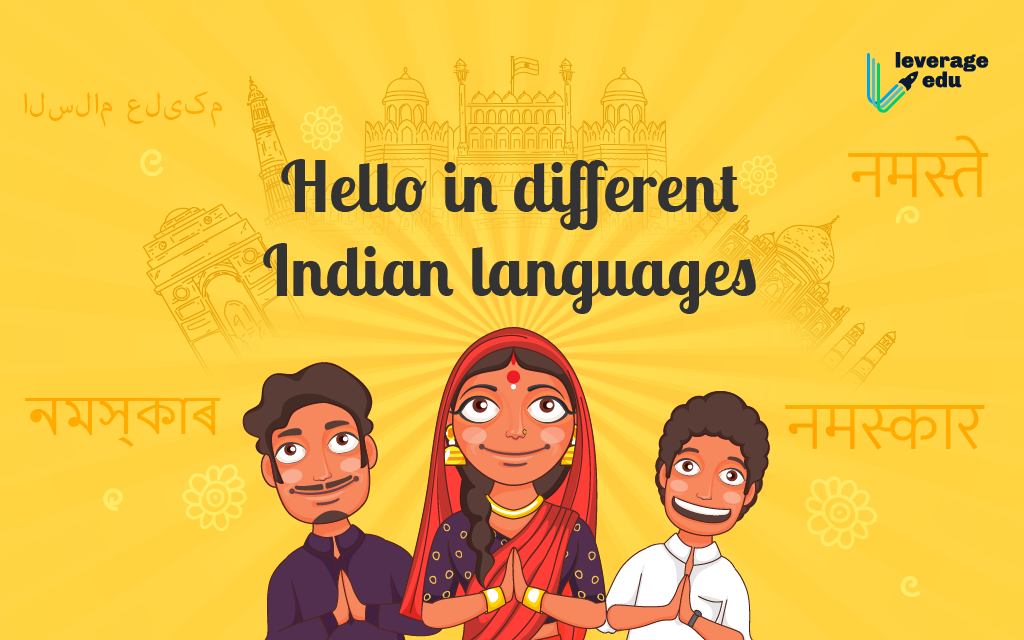
Whether it is starting a conversation with new people, meeting your friends after a long time, or welcoming people, ‘hello’ is definitely the most used word in the dictionary. It is used widely as a greeting to initiate any conversation, formal or informal, but ever wondered how to say hello in different Indian languages?.
In this blog, we shall discuss how to say hello in some of the Indian languages. So, let us learn how to say hello in different Indian languages so that the next time you travel across India, you know it right!
This Blog Includes:
- Common Greetings in Indian Languages
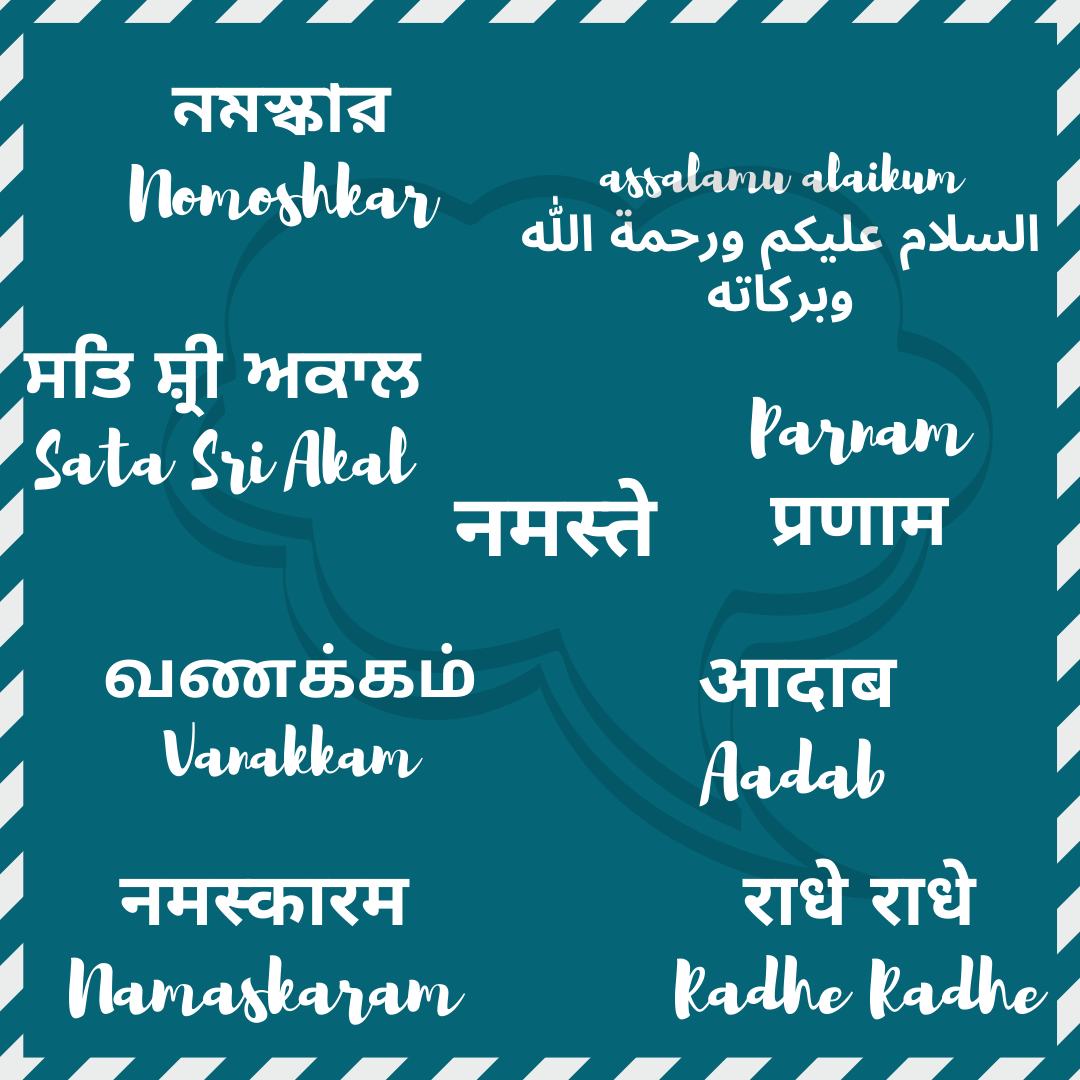
- 1. Namaste (नमस्ते) in Hindi
- 2. Sat Sri Akal (ਸਤਿ ਸ਼੍ਰੀ ਅਕਾਲ) in Punjabi
- 3. Nomoshkar (নমস্কার) in Bangla
- 4. Aadab (आदाब) in Kashmiri
- 5. Parnam (प्रणाम) in Magadhi
- 6. Namaskar (नमस्कार) in Marathi
- 7. Vanakkam (வணக்கம்) in Tamil
- 8. Namaskaram (నమస్కరం) in Telegu
- 9. Namaskar (ನಮಸ್ತೆ) in Kannada
- 10. Namaskar (नमस्कार) – Konkani
- 11. Radhe Radhe (राधे राधे) in BrajBhasha
- 12. Namaskarah (नमस्कार) in Sanskrit
- 13. Tashi Delek in Tibetan
- 14. Khurumjari in Manipuri
- 15. Khamma Ghani in Marwadi
- 16. Assālam ‘alaykum (ٱلسَّلَامُ عَلَيْكُمْ) in Urdu
- 17. Namaskara (ନମସ୍କାର) in Odia
- 18. Kem Chho (કેમ છો) in Gujarati
- 19. Ram Ram (राम राम) in Haryanvi
- 20. Chibai/Ekhai in Mizo
- 21. Nômôskar (নমস্কাৰ) in Assamese
- 22. Sagatam, Namaskkaram, or Halea in Malayalam
- FAQs
Common Greetings in Indian Languages
India is home to a variety of greetings that reflect its cultural and linguistic diversity. From Namaste in Hindi to Vanakkam in Tamil and Sat Sri Akal in Punjabi, each greeting carries a unique meaning and respect.
Each language in India has its own way of greeting people. Here are some of the most commonly used greetings in Indian languages to say hello:
| Language | Greeting (Hello) | Script | Meaning/ Context |
| Hindi | Namaste / Namaskar | नमस्ते / नमस्कार | Traditional greeting with folded hands; means “I bow to you.” |
| Bengali | Nomoshkar | নমস্কার | Formal hello, similar to Namaste. |
| Punjabi | Sat Sri Akal | ਸਤ ਸ੍ਰੀ ਅਕਾਲ | The Sikh greeting means “God is the eternal truth.” |
| Gujarati | Kem Cho | કેમ છો? | Informal hello meaning “How are you?” |
| Marathi | Namaskar / Namaskara | नमस्कार | Respectful greeting used in formal and informal contexts. |
| Tamil | Vanakkam | வணக்கம் | Means “Respectful greetings” with cultural significance. |
| Telugu | Namaskaram | నమస్కారం | The traditional hello is used respectfully. |
| Kannada | Namaskara | ನಮಸ್ಕಾರ | Formal hello, used with respect. |
| Malayalam | Namaskaram | നമസ്കാരം | Polite and traditional greeting. |
| Odia | Namaskar | ନମସ୍କାର | A traditional greeting, often used in formal settings. |
| Urdu | As-salaam-alaikum | السلام علیکم | The Islamic greeting means “Peace be upon you.” |
| Kashmiri | Adaab | آداب | Polite greeting meaning respect and hello. |
| Assamese | Namaskar | নমস্কাৰ | Common greeting with cultural roots. |
| Konkani | Namaskar | नमस्कार | Respectful hello, similar to Marathi. |
| Sindhi | Assalam-u-Alaikum | السلام عليکم | Traditional Islamic greeting. |
| Manipuri (Meitei) | Khurumjari | খুৰুমজৰি | Polite greeting in Manipuri culture. |
| Sanskrit | Namaste | नमः ते | Ancient and spiritual greeting meaning “I bow to you.” |
Also Read: 10 Easy Tips to Learn a New Language As a Novice!
1. Namaste (नमस्ते) in Hindi
Namaste” is one of the most widely recognised greetings in India, particularly in Hindi-speaking regions. It translates to “I bow to you” or “The divine in me salutes the divine in you.
The first language in which we will find out how to say hello in different Indian languages is Hindi. Hindi is said to be one of the most widely used languages in India. Its roots can be traced back to the Indo-Aryan era. Hindi is recognised as the official language of 9 states and 3 Union Territories. It is primarily based on the Khariboli dialect of Delhi and the neighbouring areas of Northern India.
2. Sat Sri Akal (ਸਤਿ ਸ਼੍ਰੀ ਅਕਾਲ) in Punjabi
“Sat Sri Akal” is a Punjabi greeting that translates to “God is the eternal truth.” It is more than just a greeting—it’s a reflection of the religious and spiritual importance in the Punjabi culture.
With more than 125 million speakers of this language, its roots can be traced back to the Indo-Aryan era. It is the native language of the state of Punjab. Punjabi is also the third most spoken language in the United Kingdom and the fifth most spoken language in Canada.
3. Nomoshkar (নমস্কার) in Bangla
Moving ahead in our list of hello in different Indian languages, we wish you Nomoshkar! Bengali is the lingua franca of West Bengal and also the most widely spoken language of Bangladesh. With nearly 228 million native speakers, it is the fifth most spoken native language. It is the most widely spoken language in the Andaman and Nicobar Islands. Significant populations speak it in states like Arunachal Pradesh, Delhi, Chhattisgarh, Jharkhand, Meghalaya, Mizoram, Uttarakhand and Nagaland.
4. Aadab (आदाब) in Kashmiri
Kashmiri language belongs Dardic subgroup of Indo-Aryan languages and is used by around 7 million Kashmiris, primarily in Jammu and Kashmir. In 2020, a bill was passed by the Parliament of India to recognize Kashmiri, an official language of Jammu and Kashmir, along with Dogri, Hindi, English and Urdu.
5. Parnam (प्रणाम) in Magadhi
Pranam is considered to be one of the sweetest ways to say hello in different Indian languages. Also known as Magadhi, it is the language of Bihar, Jharkhand and West Bengal. It finds roots in age-old traditions of folk songs and stories. It is considered to be the language used by Gautama Buddha to deliver sermons.
6. Namaskar (नमस्कार) in Marathi
Marathi, an Indo-Aryan language, is spoken by nearly 83 million people of Maharashtra, India. It is the official language of Maharashtra and the co-official language of Goa. It is one of the 22 scheduled languages of India. Marathi ranks 10th in the list of most spoken languages globally and has the third-largest number of native speakers in India.
7. Vanakkam (வணக்கம்) in Tamil
Next on our list of saying hello in different Indian languages, we look at the sweet word Vanakkam in Tamil. Tamil, a Dravidian language widely used by the Tamil people of South Asia, is also the official language of Tamil Nadu and two sovereign nations, Singapore and Sri Lanka. In India, it is also recognised as the Union Territory of Puducherry’s official language and spoken by significant minorities in the South Indian states of Kerala, Karnataka, Andhra Pradesh and Telangana and the Union Territory of the Andaman and Nicobar Islands.
8. Namaskaram (నమస్కరం) in Telegu
Designated as a classical language of India by the government, it is spoken by Telugu people living in the Indian states of Andhra Pradesh and Telangana, where it is also recognised as the official language.
9. Namaskar (ನಮಸ್ತೆ) in Kannada
Here is another way to say hello in different Indian languages – Namakara! Written using the Kannada script, it is predominantly spoken by the people of Karnataka. The language has nearly 43 million speakers. It has historical significance since it was the court language of some of the most powerful empires of South and Central India, like the Chalukya dynasty, the Rashtrakuta dynasty, the Vijayanagara Empire and the Hoysala Empire.
10. Namaskar (नमस्कार) – Konkani
The Konkani language follows the Vedic structural elements of both Western and Eastern Indo-Aryan languages. It is one of the 22 scheduled languages of India, as mentioned in the 8th schedule of the Constitution. This language was introduced by the Southern Indo-Aryan language group and is the official language of the state of Goa.
11. Radhe Radhe (राधे राधे) in BrajBhasha
Braj language, commonly known as Braj Bhasha, is one of the two predominant literary languages of North-Central India. It is mostly spoken by the people of the defined region of Braj.
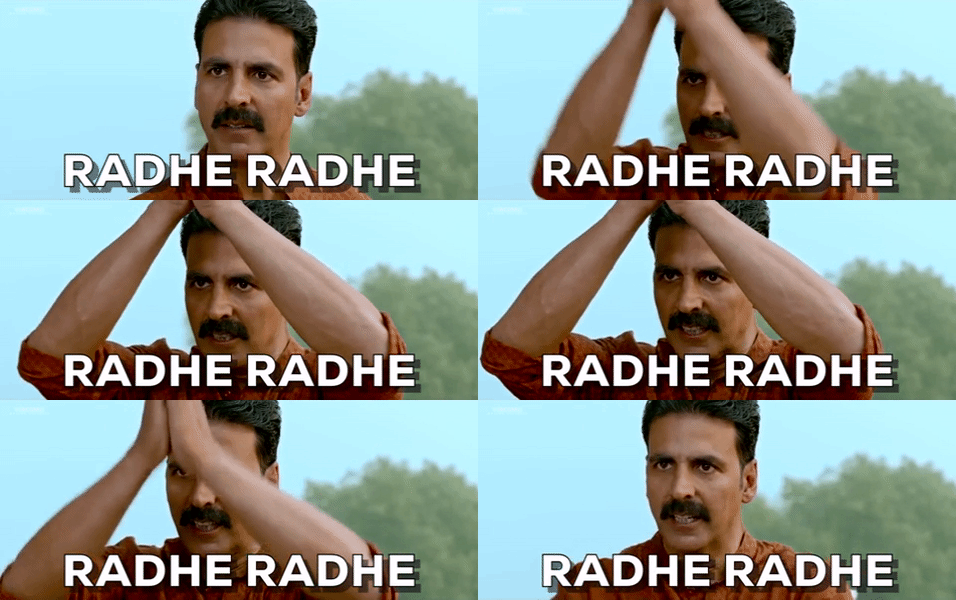
The historical significance lies in the fact that, as mentioned in ancient Hindu texts such as the Bhagavata Purana, the Kingdom of Surasena was spreading through Bra,j where Krishna, an incarnation of Vishnu, was born and spent his childhood days. So if you want to add another word to your list of how to say hello in different Indian languages, try Radhe Radhe!
12. Namaskarah (नमस्कार) in Sanskrit
Sanskrit is considered to be the sacred language of Hinduism and connotes various old Indo-Aryan practises. It originated in South Asia and is known as the classical language of South Asia.
13. Tashi Delek in Tibetan
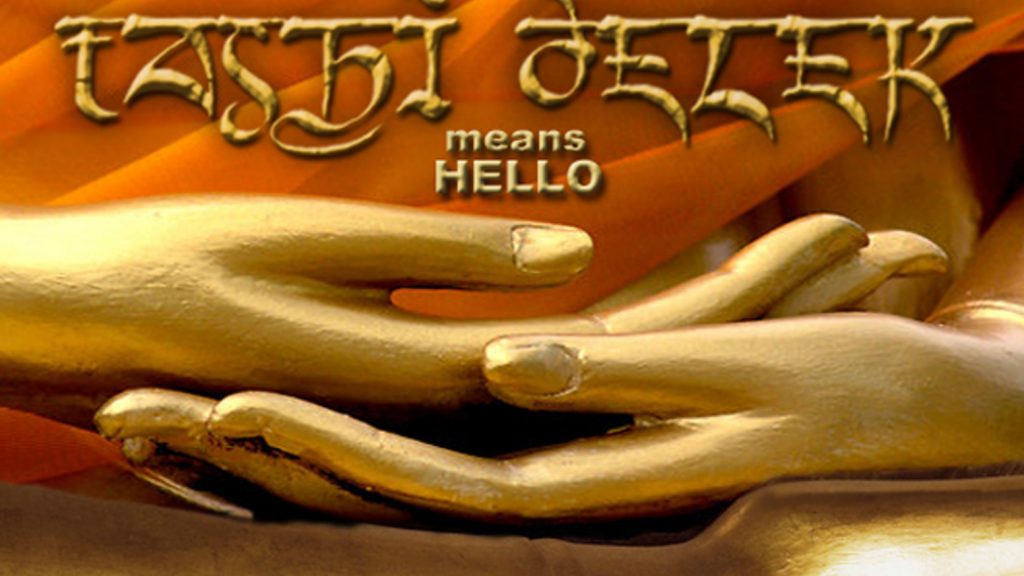
India is home to the vibrant and happiest Tibetan communities spread across the North-east areas, as well as the Himalayan regions and even the capital city itself. If you ever visit a Tibetan community, you can say ‘Tashi Delek’ as hello in Tibetan.
14. Khurumjari in Manipuri
As one of the sweetest ways to say hello in Indian languages, Khurumjari can be literally translated as “My obeisance to thee”, which has the same meaning as namaste.
15. Khamma Ghani in Marwadi
Khamma Ghani is used to say hello or welcome with respect in Marwadi, which is spoken in Rajasthan. It is another sweeter way to say ‘hi’, so when you visit the royal lands of Rajasthan, don’t forget to say Khamma Ghani!
16. Assālam ‘alaykum (ٱلسَّلَامُ عَلَيْكُمْ) in Urdu
Assālam ‘alaykum comes from the Arabic language and can be literally translated as ‘peace be upon you’. It is a blessed way to say hello in Urdu and is usually used in Muslim communities.
17. Namaskara (ନମସ୍କାର) in Odia
Most regions in Southern India use the root word ‘Namaskar’ taken from Sanskrit, and add a certain intonation like “a” or “am” to it. Similarly, say hello in Odia by saying Namaskara (Namaskar+a).
18. Kem Chho (કેમ છો) in Gujarati
Kem Chho in Gujarati means both hello and how are you, just like we say “what’s up” in English. Gujarati is one of the sweetest Indian languages and has its own unique emphasis on words that make it even more endearing to speak in.
19. Ram Ram (राम राम) in Haryanvi
Ram Ram is a traditional and respectful greeting in Haryanvi, widely used in Haryana. It’s a simple, yet warm way of saying hello, with a spiritual touch, as “Ram” refers to Lord Ram, a revered deity in Hinduism. When visiting Haryana, make sure to greet others with a friendly “Ram Ram”!
20. Chibai/Ekhai in Mizo
Chibai or Ekhai are the words used to say hello or hi in Mizo, which is mainly spoken in Mizoram and Chibai is also a way to greet people in Mizo.
21. Nômôskar (নমস্কাৰ) in Assamese
In the Indian state of Assam, people greet each other by saying Nômôskar. It is commonly used to greet people in Assam and signifies politeness and warmth, often accompanied by folded hands.
22. Sagatam, Namaskkaram, or Halea in Malayalam
In Kerala, people commonly greet each other by saying Sagatam, Namaskkaram, or Halea. These words are used to say hello to greet each other. Moreover, you will also notice that the greeting is often accompanied by a warm smile or folded hands.
Also Read: How to Learn German Language: A Comprehensive Guide
Saying hello in different Indian languages is more than just a way to start a conversation — it’s a window into India’s culture, traditions, and values. Whether it’s Namaste in Hindi, Vanakkam in Tamil, or Sat Sri Akal in Punjabi, each greeting reflects warmth and respect.
If you’re travelling across India or interacting with diverse communities, learning a few of these greetings will not only help you connect better but also show your appreciation for India’s cultural richness.
FAQs
Here is how to say hello in 15 languages: Namaste (Hindi), Nomoshkar (Bengali), Namaskaram (Telugu), Vanakkam (Tamil), Namaskara (Kannada), Namaskaram (Malayalam), Sat Sri Akal (Punjabi), Kem Cho (Gujarati), Namaskar (Marathi), Namaskar (Odia), Nomoskar (Assamese), Adaab (Urdu), Namaskar (Konkani), Khurumjari (Manipuri), and Namaste (Sanskrit).
The 5 different ways to say hello are Namaste (Hindi/Sanskrit), Vanakkam (Tamil), Sat Sri Akal (Punjabi), Namaskaram (Telugu/Malayalam), and Kem Cho (Gujarati).
Here is how you can say hello in 7 different languages: Namaste (Hindi), Nomoshkar (Bengali), Vanakkam (Tamil), Namaskaram (Telugu), Sat Sri Akal (Punjabi), Kem Cho (Gujarati), and Namaskara (Kannada).
The most common way of saying hello in India is by saying Namaste or Namaskar while joining their palms together. It is a way to show respect and greet someone.
In Thai, you can say hello as “Sawasdee” (สวัสดี). Men usually say “Sawasdee khrap” and women say “Sawasdee ka” to show politeness.
Related Reads
So, this was all about hello in different Indian languages. We hope it helps in adding new words to your vocabulary. For more such informative content, stay connected to Leverage Edu!


 60,000+ students trusted us with their dreams. Take the first step today!