

 One app for all your study abroad needs













Vacations are an opportunity for students, to learn new and interesting things. It’s a time to indulge in hobbies, watch favourite movies, and relax. However, it’s also crucial that students stay connected with their studies. Holiday homework is an excellent way to ensure this balance. In this blog, we present 10 creative and fun holiday homework ideas for Class 5 EVS. These activities are designed to be both educational and enjoyable, helping students learn while having fun. Read on to discover these exciting project ideas that will make learning a delightful part of the vacation.
Contents
Holiday Homework for Class 5 EVS
Holiday homework for class 5 EVS includes thoughtfully designed activities that encourage students to explore their surroundings and learn through real-life experiences. Each task focuses on environmental awareness, observation skills and responsible behaviour toward nature. The activities are simple to follow at home and help students engage in understanding important EVS concepts.
From maintaining a Nature Journal to tracking weather patterns through a Weather Chart, students learn to observe natural elements closely. Hands-on projects like the Plant Growth Project, Mini Garden Project and Recycling Craft help them understand sustainability, plant care and waste management. The Environment Poster, Energy Audit and Water Conservation Diary encourage students to reflect on their daily habits and find better alternatives for protecting natural resources. Through Wildlife Research, they explore animal life and biodiversity, while the Community Clean-Up activity helps them understand the value of participation and teamwork in keeping their surroundings clean.
These tasks combine creativity, curiosity and learning, making EVS enjoyable while developing a sense of responsibility toward the environment.
1. Nature Journal
Students can create a nature journal to record what they observe in their surroundings during the vacation. Natural journal activity encourages close observation and helps them connect with nature. They can include plants, insects, birds and weather changes they notice outdoors. Drawings, labels and short notes make the journal meaningful and creative.
Steps to Create and Use the Nature Journal:
- Take a notebook or make one by stapling blank pages together.
- Decorate the cover with drawings, stickers or a title such as My Nature Journal.
- Select one place to observe, such as a garden, balcony, nearby park or backyard.
- Write the date and location before each entry.
- Record observations through short sentences, drawings or photos.
- Label drawings neatly and add simple notes about colour, shape, smell or behaviour.
- Continue adding new entries through the vacation and review them at the end to see what changed or repeated.
2. Plant Growth Project
Students can learn about plant life and growth by planting a seed in a pot and observing it during the vacation. The plant growth project helps them understand how plants grow, what they need to survive, and how to take care of them. Daily observations with measurements, drawings, and notes make the activity engaging and educational.
Steps to Conduct the Plant Growth Project:
- Take a small pot or container and fill it with soil.
- Choose a seed such as a bean, moong, or mustard and plant it in the soil.
- Water the seed lightly and place the pot in a spot that receives sunlight.
- Every day, observe the seed for changes like sprouting, leaf growth, or stem length.
- Record the observations in a notebook or chart with the date, height measurement, and description.
- Draw or paste pictures of the plant at different stages to visually track its growth.
- Continue care for the entire vacation and note any special changes or challenges observed.
3. Environment Poster
Building on hands-on learning from activities like the Nature Journal and Plant Growth Project, students can express their understanding of the environment creatively by making an Environment Poster. The environment poster allows them to explore important topics such as pollution, global warming, or recycling while presenting information visually.
Steps to Create the Environment Poster:
- Select one environmental topic such as air pollution, water pollution, deforestation, global warming, or recycling.
- Take a sheet of chart paper or thick drawing paper as the base for the poster.
- Divide the poster into sections: what the issue is, its effects on the environment, and possible solutions.
- Add colourful drawings, diagrams, or cut-outs to illustrate each section.
- Write short, clear sentences to explain the issue and solutions.
- Create a catchy slogan or tagline to make the poster more impactful.
- Review the poster and ensure information is accurate and neatly presented.
Also Read: Exciting Class 2 Holiday Homework Ideas: Sparking Creativity and Adventure
4. Mini Garden Project
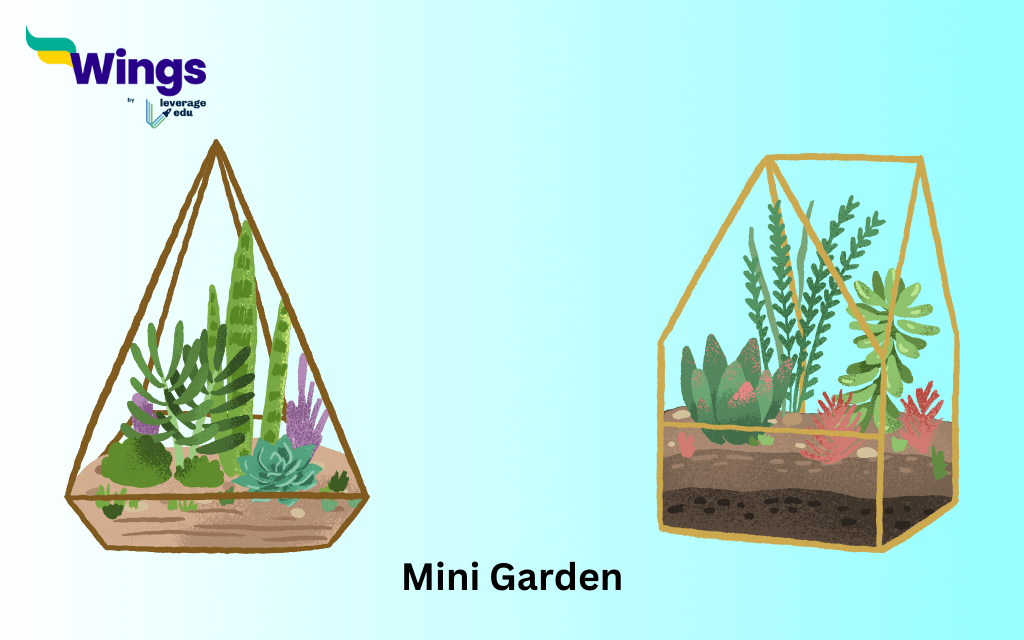
Following activities like the Plant Growth Project and Environment Poster, students can extend their learning by creating a Mini Garden Project at home. The project helps them understand plant care, biodiversity, and the importance of greenery in the environment while giving them a hands-on gardening experience.
Steps to Create a Mini Garden:
- Choose a small space at home, such as a balcony, terrace, or a few pots on the windowsill.
- Select a variety of plants like flowers, herbs, or small vegetables suitable for the available space.
- Prepare pots or containers with soil and plant the seeds or saplings carefully.
- Water the plants regularly and ensure they receive adequate sunlight.
- Observe the plants daily and note changes in growth, leaf colour, or flowering.
- Decorate the mini garden with small stones, pebbles, or labels for each plant.
5. Water Conservation Diary
A Water Conservation Diary helps students become mindful of how water is used at home and encourages them to adopt habits that reduce waste. This activity teaches responsibility and highlights why saving water is important for the environment and daily life. It also helps students understand that even small efforts can protect natural resources.
How to Complete the Diary:
- Record daily actions that help save water, such as turning off the tap while brushing or using a bucket instead of a shower.
- Note any improvements made throughout the vacation, like fixing leaking taps or reusing leftover water from washing vegetables for plants.
- Write down new ideas or habits that support responsible water usage.
- At the end of the project, write a brief reflection explaining how the activity helped build awareness and how these habits can continue in the future.
Also Read: Essay on Summer Vacation: Samples for Students
6. Wildlife Research
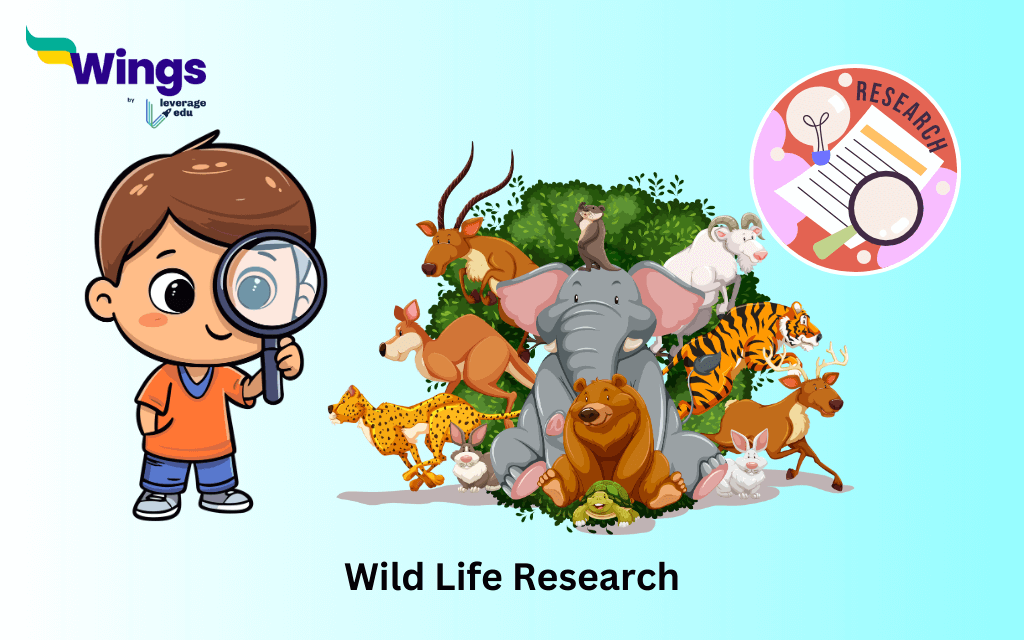
The Wildlife Research activity encourages students to learn more about animals that live in the wild and understand their importance in maintaining ecological balance. The task helps students explore topics such as endangered species, natural habitats, food chains, and the need for conservation. It also develops research skills and curiosity about the natural world.
How to Complete the Wildlife Research:
- Choose one wild animal such as a tiger, elephant, peacock, dolphin, panda, or any commonly found local species.
- Collect information about the selected animal, including its habitat, food habits, physical appearance, and behavioural characteristics.
- Find out whether the animal is endangered or protected and note the main reasons affecting its survival.
- Draw or paste a picture of the animal and label important features such as body parts, colour, or unique abilities.
- Write a brief conclusion explaining the role of the animal in the environment and how humans can help protect wildlife.
Also Read: 10 Ways to Make Your Summer Break Productive
7. Recycling Craft
Continuing the learning experience from the wildlife research task, the Recycling Craft activity encourages students to think about how everyday waste can be reused creatively. The holiday task for class 5 helps build awareness about recycling, reduces household waste, and promotes responsible environmental habits. It also allows students to express creativity using simple materials found at home.
How to Complete the Activity:
- Collect clean waste items such as paper rolls, newspapers, plastic bottles, cartons, or old jars.
- Choose one item and plan a useful or decorative craft project, such as a pen stand, bird feeder, organiser box, or flower pot.
- Assemble the materials using glue, tape, string, or paint while ensuring the craft is safe and easy to handle.
- Decorate the final product neatly and make sure it can be reused or displayed at home.
- Write a short note describing the materials used, the purpose of the craft, and how recycling helps protect the environment.
8. Weather Chart
Weather Chart activity helps students observe daily weather patterns and understand how weather affects day-to-day life. The task encourages careful observation, record-keeping, and comparison while helping students learn basic terms related to climate and seasons.
How to Complete the Activity:
- Create a simple chart with columns for date, temperature, type of weather, and observations.
- Record the weather every day by noting whether it is sunny, cloudy, rainy, windy, or cold.
- Add simple observations such as rainfall, humidity, or changes in the sky.
- Draw small weather symbols in the chart like sun, cloud, raindrop, or wind to make it visually clear and interesting.
- At the end of the month, write a brief summary describing weather patterns, number of rainy or sunny days, and any noticeable changes.
9. Energy Audit
As a continuation of the previous weather-related task, the Energy Audit activity teaches students how energy is used at home and why conserving it is important. The task encourages mindful habits, responsible usage of appliances, and awareness of renewable and non-renewable resources. It also helps students understand the connection between energy use and environmental impact.
How to Complete the Activity:
- Observe how electricity is used at home through lights, fans, heaters, chargers, and household appliances.
- List items that consume energy and note how often they are used each day.
- Identify habits that waste energy, such as leaving lights on in empty rooms or charging devices unnecessarily.
- Suggest simple solutions like switching to LED bulbs, unplugging chargers, using natural light during the day, and limiting screen time.
- Write a short reflection explaining how these changes can save energy and protect the environment for the future.
10. Community Clean-Up
The Community Clean-Up task encourages students to contribute to a cleaner neighbourhood. Community clean-up activity helps build awareness about waste management, hygiene, and the importance of keeping public spaces clean. The activity also strengthens teamwork and develops a sense of responsibility toward the community.
How to Complete the Activity:
- Choose a safe area near home such as a park, lane, or housing society garden with the guidance of an adult.
- Wear gloves and carry bags or containers to collect waste like paper, wrappers, plastic bottles, or dry leaves.
- Separate the collected waste into categories such as recyclable and non-recyclable items.
- Dispose of the waste responsibly using dustbins or local recycling points.
- Write a short summary describing the clean-up experience, the amount or type of waste found, and how keeping the community clean helps protect health and the environment.
Also Read: Computer Holiday Homework For Classes 5 to 8
The holiday homework for Class 5 EVS encourages students to explore their surroundings, observe nature, and develop habits that support environmental care. Each activity allows them to learn through real experiences rather than only reading from a book. By completing these tasks, students gain awareness about conservation, sustainability, and responsible living. The learning continues beyond the classroom and helps them understand their role in protecting the planet. These activities also help build curiosity, creativity, confidence, and respect for the environment, shaping responsible and thoughtful future citizens.
Explore interesting ideas for school children here:
FAQs
Ans: Here are some ways to finish holiday homework on time.
Set a study schedule. During the holidays, you can have a lot going on, so it’s crucial to make sure you schedule time each day for studying.
Get rid of online distractions.
Take short breaks.
Check your work.
Prepare your material.
Ans: Plan your schedule well in advance. Keep your study place neat and organized, and keep your study materials handy.
Ans: Holiday homework is essential to ensuring that students don’t lose touch with their studies. Making different projects and implementing various ideas helps them get creative too.
Ans: EVS holiday activities help students connect classroom topics with real-life experiences. The activities encourage observation, responsibility, creativity, and awareness about the environment while making learning enjoyable and meaningful.
Ans: No, students can complete each activity gradually throughout the vacation. The tasks are designed to be simple and engaging, allowing steady learning without pressure.
To refer to interesting ideas related to children’s school education activities, follow Leverage Edu now!!

 60,000+ students trusted us with their dreams. Take the first step today!