

 One app for all your study abroad needs













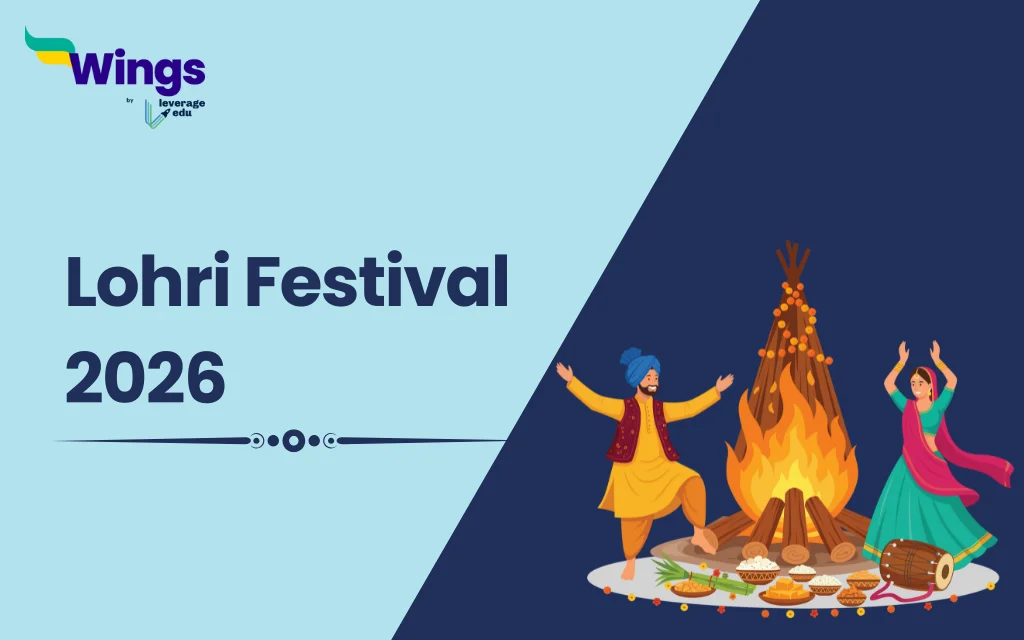
Lohri Festival 2026 is one of the most vibrant and joyful harvest festivals of North India, celebrated with warmth, music, and the glow of bonfires. Observed every year in January, Lohri marks the end of peak winter and the arrival of longer days, making it especially significant for farmers and families. Rooted deeply in Punjabi culture, the festival is associated with gratitude for nature, prosperity, and new beginnings. From offering peanuts, jaggery, and popcorn to the sacred fire, to singing traditional folk songs and dancing to energetic beats, Lohri beautifully blends history, cultural significance, and meaningful rituals.
In this blog, we provide complete details about Lohri Festival 2026, including its date, history, significance, and rituals, along with well-explained insights to help students and readers understand the true spirit of this colorful celebration.
Contents
Lohri Festival 2026 Date
Lohri Festival 2026 will be celebrated on Tuesday, 13 January 2026. The festival is traditionally observed in the evening, as Lohri celebrations revolve around lighting the sacred bonfire after sunset. This date is fixed every year and does not change according to the lunar calendar, which makes Lohri one of the few Indian festivals with a consistent annual date.
- Fixed Calendar Date: Lohri is celebrated every year on 13 January, regardless of the day of the week.
- Day & Date (2026): Tuesday, 13 January 2026.
- Timing of Celebrations: The main Lohri rituals and bonfire ceremonies take place in the evening hours, usually after sunset.
- Relation with Makar Sankranti: Lohri is celebrated one day before Makar Sankranti, which falls on 14 January and marks the beginning of Uttarayan (the Sun’s northward journey).
- Seasonal Significance: The date signifies the end of peak winter and the gradual arrival of longer and warmer days.
- Agricultural Importance: For farmers, this date marks the harvesting phase of rabi crops, especially sugarcane and wheat.
- Cultural Belief: The night of Lohri is considered auspicious for prayers related to prosperity, good health, and family well-being.
- Special Family Celebrations: Families with newly married couples or newborn children celebrate Lohri on this date with greater enthusiasm.
Also Read: Essay on Festivals
History of Lohri Festival
The history of the Lohri Festival is deeply connected with Punjab’s agricultural life, seasonal cycles, and rich folklore. Over centuries, Lohri has evolved from a simple harvest celebration into a cultural festival that reflects gratitude, courage, and community bonding. Its roots can be traced to ancient farming traditions and popular legends passed down through generations.
1. Agricultural Origins of Lohri
- Lohri began as a harvest festival celebrated by farmers in Punjab and surrounding regions.
- It marks the harvesting season of rabi crops, especially sugarcane and wheat.
- Farmers celebrated Lohri to thank nature and the Sun God for a good harvest and to pray for future prosperity.
- The festival also symbolized relief from the harsh winter cold and hope for warmer days ahead.
2. Connection with Seasonal Change
- Lohri is celebrated in mid-January, when winter begins to recede.
- Historically, this time marked the transition of the Sun’s movement toward the Uttarayan (northward journey).
- Ancient communities believed this period to be auspicious for growth, fertility, and new beginnings.
3. The Legend of Dulla Bhatti
- One of the most famous stories linked to Lohri is that of Dulla Bhatti, a Punjabi folk hero.
- He was known for protecting the poor and helping young girls by arranging their marriages and providing dowries.
- Traditional Lohri songs praise his bravery, generosity, and sense of justice.
- Singing these folk songs during Lohri keeps his legacy alive and connects the festival to values of kindness and courage.
4. Folk Traditions and Oral History
- Lohri’s history has been preserved mainly through folk songs, stories, and customs, rather than written records.
- Children traditionally went door-to-door singing Lohri songs and collecting peanuts, jaggery, and sweets.
- These practices helped pass cultural values and historical stories from one generation to the next.
5. Community-Based Celebrations
- In earlier times, Lohri was celebrated as a community festival, not limited to individual homes.
- Villagers gathered around a common bonfire, shared food, sang songs, and danced together.
- This collective celebration strengthened social bonds and unity within communities.
6. Evolution of Lohri Over Time
- While Lohri remains rooted in tradition, its celebrations have evolved with time.
- Urban celebrations now include family gatherings, cultural events, and school programs.
- Despite modern influences, the core historical essence of Lohri—gratitude, sharing, and togetherness—remains unchanged.
Also Read: Essay on Lohri Festival for Students (History & Significance)
Significance of Lohri Festival
The Lohri Festival holds deep cultural, agricultural, and social significance, especially in North India. Celebrated with bonfires, folk songs, and traditional rituals, Lohri is more than a festive gathering, it is a meaningful expression of gratitude, hope, and togetherness. The festival connects people with nature, traditions, and community values that have been followed for generations.
1. Agricultural Significance
- Lohri marks an important phase in the rabi crop cycle, especially for wheat and sugarcane farmers.
- It symbolizes gratitude towards nature for healthy crops and prayers for a successful harvest.
- The festival acknowledges the hard work of farmers and their dependence on seasonal cycles.
2. Seasonal and Astronomical Importance
- Lohri celebrates the end of peak winter and the beginning of longer days.
- It coincides with the Sun’s northward movement (Uttarayan), which is considered highly auspicious.
- This transition is associated with warmth, growth, and positive change.
3. Cultural and Traditional Value
- Lohri is a symbol of Punjabi cultural identity.
- Folk songs, traditional attire, and dances like Bhangra and Gidda preserve regional traditions.
- Celebrating Lohri helps pass cultural heritage from one generation to the next.
4. Social and Community Bonding
- The festival brings families, friends, and neighbors together around a common bonfire.
- Sharing food and prasad promotes unity, harmony, and mutual respect.
- Lohri strengthens community relationships and encourages collective celebration.
5. Spiritual and Symbolic Meaning
- The bonfire represents the Sun, energy, and positivity.
- Offering food items to the fire signifies letting go of negativity and welcoming prosperity.
- Prayers during Lohri are made for health, happiness, and abundance.
6. Importance for New Beginnings
- Lohri is especially significant for newly married couples and families celebrating the birth of a child.
- It symbolizes blessings for fertility, growth, and a prosperous future.
- These special celebrations highlight the festival’s role in marking life milestones.
7. Educational and Moral Significance
- Lohri teaches values such as gratitude, sharing, kindness, and togetherness.
- The stories and songs associated with Lohri promote courage and social responsibility.
- Schools and institutions celebrate Lohri to help students understand cultural values.
Also Read: The Harvest Festivals In India: From Lohri to Hornbill
Rituals and Traditions of Lohri
The Lohri Festival is celebrated with simple yet deeply meaningful rituals that reflect gratitude, joy, and togetherness. Each tradition associated with Lohri has a cultural and symbolic purpose, making the festival special for families and communities. These rituals have been followed for generations and continue to connect people with their roots.
1. Lighting the Sacred Bonfire
- The bonfire is the heart of Lohri celebrations.
- Families and communities gather around the fire in the evening.
- The fire symbolizes the Sun, warmth, and positive energy.
- People offer prayers for prosperity, health, and happiness.
2. Offering Food to the Fire
- Traditional items such as sesame seeds (til), peanuts, jaggery (gur), popcorn, and rewri are offered to the bonfire.
- These offerings represent gratitude for agricultural produce.
- Sharing these foods signifies abundance and generosity.
3. Singing Traditional Lohri Songs
- Folk songs narrating stories of bravery and gratitude are sung.
- Many songs mention legendary figures like Dulla Bhatti.
- Children often go from house to house singing Lohri songs and collecting treats.
- This tradition helps preserve oral history and cultural values.
4. Traditional Dance: Bhangra and Gidda
- After the rituals, people perform Bhangra (men) and Gidda (women).
- These energetic dances express joy, celebration, and unity.
- Dance is an essential part of Lohri’s festive spirit.
5. Distribution of Prasad
- After the bonfire ceremony, prasad is distributed among family and friends.
- Sharing prasad strengthens social bonds and spreads happiness.
- Everyone participates equally, reflecting the spirit of togetherness.
6. Special Lohri for New Beginnings
- Lohri holds special importance for:
- Newly married couples
- Families with a newborn child
- Extra rituals, gatherings, and celebrations are organized to mark these milestones.
- It symbolizes blessings for growth, fertility, and prosperity.
7. Community Feasts and Gatherings
- Many families host community meals or small gatherings after Lohri rituals.
- Traditional Punjabi food adds warmth to the celebration.
- These gatherings promote unity and shared joy.
Also Read: Essay on My Favourite Festival for School Students
How Lohri Is Celebrated Today
Today, Lohri is celebrated with the same warmth and joy as in the past, but with a modern touch that reflects changing lifestyles. While the core traditions remain unchanged, the way people celebrate Lohri has evolved across cities, villages, and even countries outside India.
- Family Gatherings: Lohri is commonly celebrated at home with family members, creating moments of togetherness and bonding.
- Community Celebrations: Housing societies and neighborhoods organize common Lohri bonfires and cultural programs, especially in cities.
- Symbolic Bonfires in Urban Areas: Due to limited space, many urban families perform small or symbolic Lohri rituals while keeping traditions alive.
- Traditional Attire: People wear colorful Punjabi outfits like salwar kameez, kurta-pajama, and phulkari dupattas.
- Folk Music and Dance: Bhangra and Gidda performances remain an essential part of Lohri celebrations.
- Special Family Occasions: Extra celebrations are held for a newborn’s first Lohri and for newly married couples.
- School and College Events: Educational institutions celebrate Lohri through cultural programs, dances, and awareness activities.
- Punjabi Diaspora Celebrations: Punjabi communities abroad celebrate Lohri through cultural associations and group events.
- Traditional Food Sharing: Peanuts, jaggery, popcorn, rewri, and homemade dishes are shared among friends and relatives.
- Digital Celebrations: Social media, video calls, and online greetings help people celebrate Lohri with loved ones who are far away.
Also Read: Speech on the Benefits of the Winter Season for Youth
FAQs
Lohri is celebrated to mark the harvest season, the end of peak winter, and the beginning of longer, warmer days. It is a festival of gratitude where people thank nature and the Sun for agricultural prosperity, especially for rabi crops like wheat and sugarcane. Lohri also symbolizes new beginnings, positivity, and togetherness, making it especially significant for farmers, newly married couples, and families celebrating the birth of a child.
Lohri is celebrated around 14th January because this period marks an important seasonal and astronomical transition. It signifies the end of the coldest days of winter and the beginning of longer, warmer days as the Sun starts its northward journey (Uttarayan). This time is considered highly auspicious in Indian tradition and is closely linked to agricultural cycles, especially the rabi crop season. Lohri is observed just before Makar Sankranti, making mid-January a symbolic moment of harvest, hope, and new beginnings for farming communities.
No, Lohri and Makar Sankranti are not the same, but they are closely related. Lohri is a Punjabi harvest festival celebrated mainly in North India on 13 January, focusing on bonfires, folk songs, and community celebrations, while Makar Sankranti is a pan-Indian festival observed on 14 January, marking the Sun’s transition into the zodiac sign Capricorn (Makara) and the beginning of Uttarayan. Lohri is celebrated a day before Makar Sankranti and is more cultural and regional, whereas Makar Sankranti has a broader religious and astronomical significance across India.
Relevant Blogs
| Funny New Year Resolutions | Quotes on National Unity Day |
| National Screenwriter’s Day | World Day of War Orphans |
| Speech on Pongal for School Students | Armed Forces Day |
This was all about the Lohri Festival 2026. For more such articles, make sure to check the trending events page of Leverage Edu.

 60,000+ students trusted us with their dreams. Take the first step today!