

 One app for all your study abroad needs













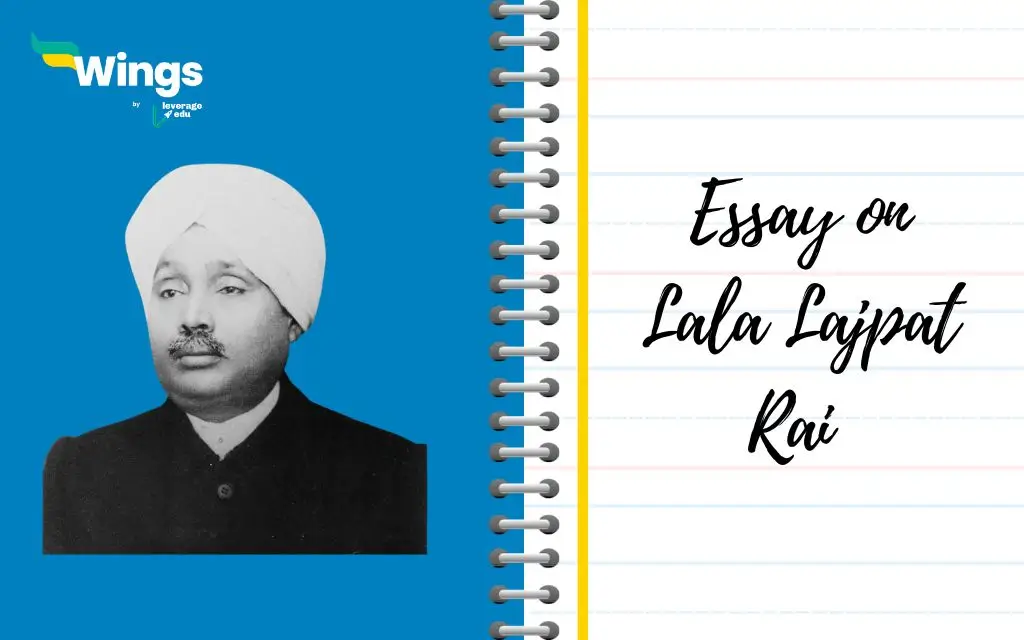
Lala Lajpat Rai, popularly known as Punjab Kesari, was one of the most fearless leaders of India’s freedom struggle whose life continues to inspire students and young citizens even today. A strong nationalist, social reformer, writer, and educationist, he played an important role in awakening the patriotic spirit during British rule and stood firmly against injustice, even at the cost of his life. Remembered for his courage during the anti-Simon Commission movement and his powerful ideas on self-reliance and national unity, Lala Lajpat Rai remains a symbol of sacrifice and determination.
In this blog, we provide well-structured essay samples on Lala Lajpat Rai to help students understand his contributions clearly and write impactful answers for exams, assignments, and competitions.
Contents
Essay on Lala Lajpat Rai in 100 Words
Lala Lajpat Rai was one of the bravest freedom fighters of India. He was born on 28 January 1865 in the Dhudike village of Punjab. Because of his fearless nature, people called him Punjab Kesari, which means the Lion of Punjab.
He studied law and worked as a lawyer, but he soon decided to serve the nation. He believed that freedom could be achieved through courage, truth, and unity. Lala Lajpat Rai was one of the leaders of the famous Lal-Bal-Pal trio, along with Bal Gangadhar Tilak and Bipin Chandra Pal.
He strongly opposed British policies and was sent to Mandalay jail in 1907 without any trial. In 1928, he led a peaceful protest march in Lahore in opposition to the Simon Commission. During the protest, he was badly injured in a police lathi charge.
Lala Lajpat Rai died on 17 November 1928. His sacrifice inspired many young Indians to fight for freedom.
Must Check Out:
Essay on Lala Lajpat Rai in 200 Words
Lala Lajpat Rai was a great Indian leader who played an important role in the freedom struggle. He was born on 28 January 1865 in Punjab and grew up with strong values of honesty and patriotism. He became a lawyer but later dedicated his life to the service of the nation.
Lala Lajpat Rai firmly believed that education was the strongest weapon against British rule. He helped in setting up schools and colleges and encouraged students to learn about Indian culture and history. He also wrote books like Unhappy India to explain the suffering of Indians under British rule.
In 1907, the British government arrested him and sent him to Mandalay in Burma because they feared his growing popularity. Even in jail, he remained strong and continued thinking about India’s future. After returning, he worked harder to unite people.
Lala Lajpat Rai also believed in social service. In 1921, he founded the Servants of the People Society to train young men for national service. He supported Indian banks and industries to make India self-reliant.
In 1928, he led a peaceful march in opposition to the Simon Commission. He was injured during a police lathi charge and later died on 17 November 1928. His life teaches students the values of bravery, service, and love for the nation.
Also Read: Lala Lajpat Rai Birth Anniversary: Sher-E-Punjab
Essay on Lala Lajpat Rai in 300 Words
Lala Lajpat Rai was one of the most respected leaders of India’s freedom movement. He was born on 28 January 1865 in the Dhudike village of Punjab. From a young age, he showed deep love for his country and a strong dislike for injustice. After completing his education in law, he started practicing as a lawyer, but his heart was always set on serving the nation.
He believed that true freedom could come only when people were educated and socially aware. Lala Lajpat Rai helped in establishing many schools and supported national education. He was also associated with the Arya Samaj and worked against social evils like caste discrimination. He believed that Indians must respect their culture and traditions.
Lala Lajpat Rai was a powerful writer and speaker. Through his books and speeches, he explained how British rule damaged India’s economy and dignity. His bold ideas made the British government afraid of him. In 1907, he was arrested and deported to Mandalay in Burma without any trial. This incident showed the cruelty of British rule.
After returning to India, he continued his work with even greater strength. In 1921, he founded the Servants of the People Society to prepare dedicated workers for the nation. He also supported Indian industries and banks so that Indians could depend on their own resources. He helped in the development of public institutions and social service projects.
Lala Lajpat Rai is best remembered for his sacrifice during the Simon Commission protest in 1928. He led a peaceful march in Lahore, even though he knew the danger. During the protest, the police used force and injured him badly. He later died on 17 November 1928 due to these injuries.
His death shocked the entire nation and inspired many young revolutionaries. Lala Lajpat Rai’s life teaches students that courage, education, and selfless service are the true paths to national progress.
Also Read: Essay on Freedom Fighters: 100, 200 & 300 Words
10 Important Lines on Lala Lajpat Rai
Here are 10 important lines on Lala Lajpat Rai for students and children:
- Lala Lajpat Rai was a great Indian freedom fighter who played a major role in the struggle against British rule.
- He was born on 28 January 1865 in Dhudike village, Punjab, and was known for his fearless nature.
- People lovingly called him “Punjab Kesari”, which means the Lion of Punjab.
- He was trained as a lawyer, but he left his profession to serve the nation selflessly.
- Lala Lajpat Rai was part of the famous Lal-Bal-Pal group, which worked to awaken the national spirit among Indians.
- He strongly believed in education and helped establish schools and institutions for national learning.
- In 1907, the British government deported him to Mandalay (Burma) without trial because of his revolutionary ideas.
- He founded the Servants of the People Society in 1921 to train young Indians for social and national service.
- In 1928, he led a peaceful protest in opposition to the Simon Commission and was injured in a police lathi charge.
- He died on 17 November 1928, and his sacrifice inspired many young revolutionaries to continue the freedom struggle.
Also Read: Essay on Indian Freedom Struggle – 100, 250, and 500 Words
FAQs
To write an essay on Lala Lajpat Rai, begin with a brief introduction mentioning his birth, title Punjab Kesari, and role in India’s freedom struggle, then explain his main contributions such as his leadership in the national movement, support for education and social reform, important writings, and his brave protest in opposition to the Simon Commission, and finally conclude by highlighting his sacrifice, death in 1928, and the inspiration his life gives to students and citizens today.
Lala Lajpat Rai was a prominent Indian freedom fighter, social reformer, and nationalist leader, popularly known as Punjab Kesari. Born on 28 January 1865 in Punjab, he played a key role in India’s struggle against British rule through powerful speeches, writings, and peaceful movements. He was a member of the famous Lal-Bal-Pal trio and strongly believed in education, self-reliance, and national unity. He led the protest in opposition to the Simon Commission in 1928 and was fatally injured during a police lathi charge, after which he died on 17 November 1928, becoming a symbol of courage and sacrifice in Indian history.
Lala Lajpat Rai was known for many great qualities such as bravery, strong patriotism, honesty, and selfless service to the nation. He showed fearless leadership by standing firmly against British rule and leading peaceful protests despite knowing the risks. He deeply valued education and social reform, working hard to spread national awareness among students and common people. Lala Lajpat Rai was also disciplined, hardworking, and truthful, and he believed in unity, self-reliance, and moral values, which made him a respected and inspiring leader for generations.
Related Reads
For more information on such interesting topics, visit our essay writing page and follow Leverage Edu.

 60,000+ students trusted us with their dreams. Take the first step today!