

 One app for all your study abroad needs
















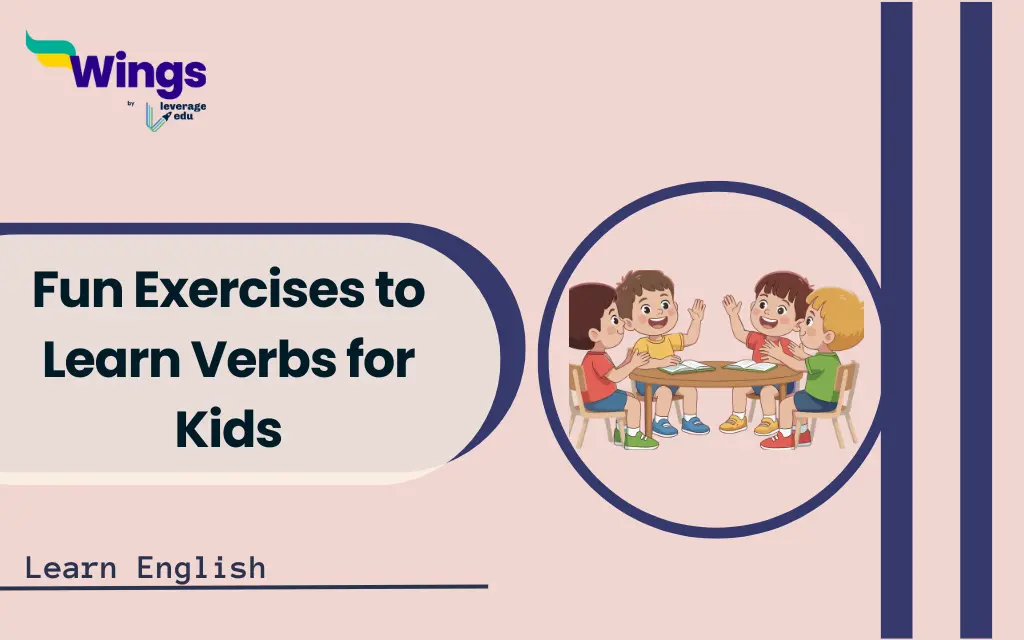
Learning verbs does not have to be boring when there are literally fun exercises to learn verbs for kids to make action words exciting and easy to remember. This blog shows creative ways to practice verbs using games, storytelling, digital tools, and even social media. Kids can act, draw, record short videos, or play mini-challenges while learning. Parents and teachers will also find practical tips to make daily activities a chance to practice verbs. By trying these fun exercises, kids will improve their speaking, writing, and confidence while having a great time.
This Blog Includes:
What Are Verbs?
A verb is a word that shows action, state, or feeling. It tells what someone or something does, is, or feels. There are three main types of verbs.
Action Verbs
Action verbs show something happening. Words like run, jump, dance, eat, and sing are action verbs.
Helping Verbs
Helping verbs work with other verbs to show time or possibility. Words like am, is, are, was, will, can, and should are helping verbs.
Linking Verbs
Linking verbs connect the subject to more information. Words like is, are, and was, link the subject with what it is or feels.
Why Kids Should Learn Verbs Early?
Verbs are like the power buttons of a sentence because without them, nothing happens. Learning verbs early helps kids:
- Speak clearly: They can say what they do, want, or feel.
- Tell better stories: Action words make stories exciting instead of boring.
- Build confidence: Kids feel proud when they can explain things on their own.
- Understand others: Verbs help them follow instructions (like “sit down” or “run fast”).
- Sound smart: Using the right verbs makes them sound like mini pros!
10 Fun Exercises to Learn Verbs for Kids
Here are fun activities that mix games, creativity, and even social media to help kids master action words. These exercises help kids remember verbs better, use them naturally in speech, and enjoy the process. You can try them at home, in class, or even with friends online.
Verb Charades
This is the classic game where one person acts out a verb, and others guess it. This game helps kids connect actions with words quickly. It also makes them think fast and improves memory.
Example: You act like you are jumping and your friends shout “jump!”
Verb Scavenger Hunt
Kids go on a hunt to find verbs in books, comics, or even TikTok captions. This activity makes kids curious and improves their observation skills while using things they already love.
Example: Read a storybook and spot all the verbs like run, laugh, shout. Or scroll through social media captions and find action words.
Verb Pictionary
In this game, one person draws a picture of a verb, and others guess it. This is a fun way to practice verbs visually, which is great for kids who love art.
Example: Draw someone cooking on a stove, and others say “cook!”
Verb Video Quest
Kids can record short videos showing different actions and then say the verbs out loud. This is a perfect way to use technology and makes learning feel like content creation instead of homework.
Example: Make a reel where you dance, eat, and wave, then say “dance, eat, wave” in the video.
Verb Relay Race
This is a group game where kids run to a board, write or say a verb, and then run back to tag the next person. This combines physical activity with learning and is perfect for classrooms or playgrounds.
Example: The first player shouts “jump,” runs back, the next shouts “run,” and so on.
Verb Meme Challenge
Kids create memes or find funny ones that use verbs in captions. This keeps learning relevant and encourages creativity. Kids love memes, so it feels like playtime.
Example: A meme of a cat sleeping with the caption “This is me every Monday.”
Verb Song & Dance Challenge
Kids pick a trending song, make a simple dance routine, and say the verbs while dancing. This helps with rhythm, memory, and makes verbs stick in a fun way.
Example: Clap while saying “clap,” jump while saying “jump,” spin while saying “spin.”
Verb Story Circles
Everyone sits in a circle and takes turns adding a line to a story, but each line must include a verb. This builds teamwork, creativity, and helps kids think of verbs naturally while speaking.
Example: Person 1 says, “I run to the park.” Person 2 says, “I eat ice cream there.”
Verb Bingo
Kids get bingo cards with verbs written on them. They watch cartoons or short videos and mark a verb every time they hear or see it. This keeps kids focused and makes TV time educational.
Example: Watching a cartoon where characters fly, shout, laugh, and crossing them on the bingo card.
Verb Fashion Show
Kids pretend to walk a fashion runway while acting out verbs. This is a fun, dramatic activity that makes learning interactive and playful.
Example: Walk down the “runway” while pretending to swim or dance.
Last Chance to Not Be Clueless: How to Understand Different English Accents Fast & Easily?
Digital Tools & Apps to Practice Verbs
Technology can make learning verbs more exciting and interactive. Kids can use apps and online tools to practice verbs anytime, anywhere. These tools mix games, videos, and challenges to help kids remember verbs faster and make learning feel like fun instead of homework.
Kahoot!
Kahoot! lets kids play quiz games about verbs in real time. This helps kids practice quickly, compete with friends, and get instant feedback.
Duolingo ABC
Duolingo ABC is designed for young learners to practice reading, including verbs. This app gamifies learning and makes repeated practice fun without feeling like studying.
Wordwall
Wordwall allows kids to play interactive activities like matching verbs or sorting them. This helps visual learners connect verbs with images and actions.
Quizlet
Quizlet uses flashcards and games to teach verbs.
Example: Flashcards show a verb on one side and a picture or definition on the other.
This is great for memory practice and self-paced learning.
YouTube Shorts & Instagram Reels Challenges
Kids can watch or make short videos performing verbs. This combines creativity, social media skills, and learning, which keeps kids fully engaged.
You’ll Thank Yourself Later: English Conversation Starter for Students
Parent & Teacher Tips for Practice at Home
Parents and teachers can make learning verbs easy and fun with simple, everyday activities. These tips help kids practice naturally and stay interested.
Make Daily Life a Verb Lesson
Use normal routines to teach action words. This helps kids connect verbs with real actions they do every day.
Example: Say “Pour the milk,” “Sweep the floor,” or “Pack your bag.”
Quick Fun Challenges
Introduce 5-minute mini-games to practice verbs. Short bursts keep kids engaged and avoid boredom.
Example: Spot verbs in a book, act them out, or do a rapid-fire “Verb Charades” round.
Use Technology Smartly
Incorporate apps, videos, and social media creatively. This makes learning interactive and connects with kids’ interests.
Example: Record a 15-second video showing verbs, or play a quiz on Kahoot!
Encourage Storytelling
Let kids make up stories using verbs they just learned. This improves speaking, imagination, and confidence.
Example: “Tell me a story about your morning using at least five action words.”
Celebrate Effort
Praise attempts, not just perfect answers. Positive reinforcement keeps motivation high and makes learning enjoyable.
Example: Give stickers, points, or verbal praise when a child uses a new verb correctly.
List of Action Verbs for Kids
This list gives kids a quick reference to common action words. They can use these verbs in sentences, stories, or games to practice regularly.
| Category | Action Verbs |
| Everyday Actions | run, jump, walk, sit, sleep, eat, drink, write, read, play |
| Creative Actions | draw, paint, build, dance, sing, sculpt, act, design, craft, cook |
| School Actions | learn, count, spell, listen, ask, answer, study, solve, explain, observe |
| Outdoor Actions | swim, climb, slide, hike, skip, throw, catch, kick, ride, dig |
| Emotional & Social Actions | smile, laugh, hug, shout, cheer, help, comfort, wait, share, cheer |
| Tech & Media Actions | type, scroll, |
Read or Regret: Fun Grammar Games and Activities for Students to Learn Fast
FAQs
Ans: Use games, videos, and interactive activities to teach verbs. Activities like charades, Pictionary, or short video challenges make learning engaging. Kids remember verbs better when they move, act, or create while learning.
Ans: Fun activities include Verb Charades, Verb Relay Race, Verb Meme Challenge, and Story Circles. Mixing traditional games with tech-based activities keeps kids interested and makes learning exciting.
Ans: Practice verbs daily in short, playful sessions. Use real-life examples, storytelling, apps, or social media mini-challenges. Consistent practice in a fun way improves speaking, writing, and memory.
Related Reads
This was all about fun exercises to learn verbs for kids, including creative activities, digital tools, and tips for parents and teachers. For more such helpful guides on vocabulary, grammar, and writing skills, make sure to check out the Learn English page on Leverage Edu and stay updated!

 60,000+ students trusted us with their dreams. Take the first step today!