

 One app for all your study abroad needs













Everyone keeps saying, “know the difference between tragedy and comedy” like you were born with Shakespeare downloaded in your brain. The truth? Most students just nod, Google it later, and still end up more confused than before.
The definitions sound simple, “sad vs funny” but the actual differences run deeper: structure, themes, tone, purpose. And no, reading five bullet points off a textbook isn’t helping. This blog breaks it down properly. Just what you need to finally understand what makes tragedy hit and comedy heal. Let’s clear it up, once and for all.
This Blog Includes:
What Is a Tragedy in Literature?
A tragedy is a serious story where things go downhill fast. The main character, usually a “tragic hero,” starts off okay but ends up ruined, often because of their own choices or some cruel twist of fate.
It’s not just sad for the sake of it. Tragedies show how power, pride, or bad luck can completely wreck a person.
Example: Macbeth by Shakespeare, he wanted power, made terrible choices, and it all fell apart. In short: tragedy = downfall, pain, and no happy ending.
Don’t Miss This Seriously: Difference Between Prose and Poetry: Definition, Types, Examples
What Is a Comedy in Literature?
A comedy is a story that doesn’t end in chaos, it ends in peace, love, or at least people not dying. It’s built around misunderstandings, silly conflicts, and characters doing the most, but somehow things work out.
It’s not always about jokes, the goal is to show how problems can be solved, and life can go back to normal (or better).
Example: A Midsummer Night’s Dream by Shakespeare, people fall in love, get cursed, fight in the woods, and still end up fine. In short: comedy, chaos, healing, and usually a happy ending.
You’ll Regret Skipping This: Difference Between Syntax and Morphology in Linguistics
Key Differences Between Tragedy and Comedy
Tragedy and comedy both tell stories, but they’re literally built to do opposite things to your brain. One crushes your soul. The other fixes it. Let’s break it down:
1. Purpose and Ending
- Tragedy shows loss, failure, or emotional destruction. The goal is to make you feel heavy, not just sad, but like “wow, life is messed up.”
- Comedy is about fixing problems and ending with something positive, like peace, love, or marriage.
For Example:
Tragedy: In Romeo and Juliet, everyone’s dead by the end.
Comedy: In Much Ado About Nothing, everyone’s married by the end.
2. Main Character
- Tragic Hero: Usually smart, powerful, and deeply flawed. Makes one big mistake and pays the price.
- Comic Hero: Often goofy, dramatic, or clueless but learns, adapts, or just gets lucky.
Example:
Tragedy: Macbeth (tragic hero) ruins everything because he wants power.
Comedy: Benedick (comic hero) is just trying not to fall in love, then falls anyway.
3. Tone and Vibes
- Tragedy is serious, intense, and dark. No one’s laughing unless they’re emotionally broken.
- Comedy is light, chaotic, and kinda ridiculous on purpose. Even serious stuff gets handled with humor or irony.
Example:
Tragedy: Death, betrayal, ghosts.
Comedy: Mistaken identity, love triangles, fake deaths that turn out fine.
4. Conflict and Resolution
- Tragedy: Conflict leads to disaster. There’s no escape. Once things go bad, they really go bad.
- Comedy: Conflict leads to confusion, but things get fixed. People change or forgive, and the mess turns into a lesson.
Example:
In tragedy, the fight ends the family. In comedy, the fight ends at a wedding.
5. Themes and Messages
- Tragedy goes deep, power, fate, pride, guilt, and revenge. It’s all about human failure.
- Comedy looks at relationships, identity, love, social norms and stuff people actually deal with.
Example:
Hamlet: Overthinking, death, and existential crisis.
Twelfth Night: People falling for the wrong person in a weird costume.
Your Brain Needs This: What is Climax in Literature: Meaning, Importance
Tragic vs Comic Approach in Themes and Tone
We now know everything about it, but still let’s clear some more doubts like the approach in themes and tone in both tragedy and comedy.
Tragedy
Tragedies deal with the heavy stuff like fate, guilt, revenge, power, and downfall. The tone? Intense. Nothing’s funny. The mood stays dark because the story is designed to show how things fall apart, no matter how hard people try.
Example Themes:
- Fate vs Free Will (Oedipus Rex)
- Guilt and Consequences (Macbeth)
- Revenge (Hamlet)
Tone: Bleak, serious, sometimes straight-up depressing.
Comedy
Comedies go after real-life mess but in a way that feels fun, not soul-crushing. Themes are still smart, like love, identity, confusion, society, but the tone is playful or ironic. Even if things go wrong, they go wrong in a “they’ll fix it later” kind of way.
Example Themes:
- Love and Mistaken Identity (Twelfth Night)
- Social Expectations (The Importance of Being Earnest)
- Friendship and Misunderstandings (Much Ado About Nothing)
Tone: Witty, chaotic, hopeful by the end.
You’ll Want to Bookmark This One: Top 10 Famous English Authors in India: Popular Work and Achievements
Tragedy vs Comedy: Character and Plot Structure Comparison
To identify the difference between tragedy and comedy, let’s look at the kind of characters they use and how the plot is built around them.
Characters:
- Tragedy: The main character (aka tragic hero) is usually someone powerful or respected. They have one major flaw (pride, anger, too many bad decisions) that leads to their downfall. Side characters? Mostly there to trigger the collapse or suffer with them.
- Comedy: The characters are often regular people or slightly chaotic ones. They mess up, get caught in confusion, but grow or get lucky. Side characters? Pure chaos and comedy fuel.
Quick Example:
Hamlet: Sad prince spiraling into murder and overthinking.
Twelfth Night: Confused twins, fake identities, love chaos, and everyone ends up chill.
Plot:
- Tragedy: Starts off okay, something bad happens, things spiral, and ends badly. Once it goes wrong, there’s no recovery. The plot builds tension until everything snaps.
- Comedy: Starts with a mess, gets messier, everyone’s confused, suddenly everything works out. Misunderstandings, coincidences, and last-minute forgiveness are the whole plot.
Structure Flow
| Story Type | Beginning | Middle | End |
| Tragedy | Calm or powerful | Downfall begins | Death/disaster |
| Comedy | Chaos/confusion | Misunderstanding | Peace/happy ending |
You’ll Thank Yourself Later: Romanticism in English Literature: History and Features
Tragedy vs Comedy: Summary Table
Here’s a quick summary table to wrap it all up. If you’re still mixing up tragedy and comedy, this side-by-side view clears it instantly.
| Element | Tragedy | Comedy |
| Ending | Sad or fatal | Happy or resolved |
| Hero Type | Powerful but flawed | Flawed but likable |
| Plot Flow | Rise → Fall → Ruin | Chaos → Fix → Celebration |
| Tone | Serious, dark | Light, playful |
| Themes | Fate, pride, revenge | Love, identity, society |
| Purpose | Reflect on failure | Show growth and joy |
Read This Before You Forget: Define Paradox in Literature: Types, Functions, and Examples
Check other blogs on Learn English below:
FAQs
Tragedy ends in downfall or death, while comedy ends in resolution or joy. One leaves you with weight, the other with relief.
Aristotle said tragedy shows serious actions that lead to a downfall, meant to inspire fear and pity. Comedy, on the other hand, deals with ordinary people and aims to entertain through flaws and humor.
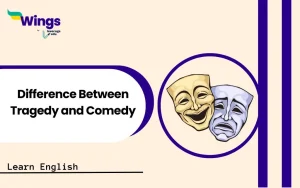
The tragedy mask has a sad or pained expression, symbolizing sorrow and loss. The comedy mask shows a smiling or exaggerated happy face, representing joy and humor.
According to Aristotle, the six elements are plot, character, thought, diction, melody, and spectacle. Plot is the most important, as it drives the emotional impact of the tragedy.
This was all about the difference between tragedy and comedy, their structure, tone, characters, and the way they shape stories. For more clear and student-friendly breakdowns on literary genres and key English concepts, check out the Learn English section on Leverage Edu and stay updated!

 60,000+ students trusted us with their dreams. Take the first step today!