

 One app for all your study abroad needs













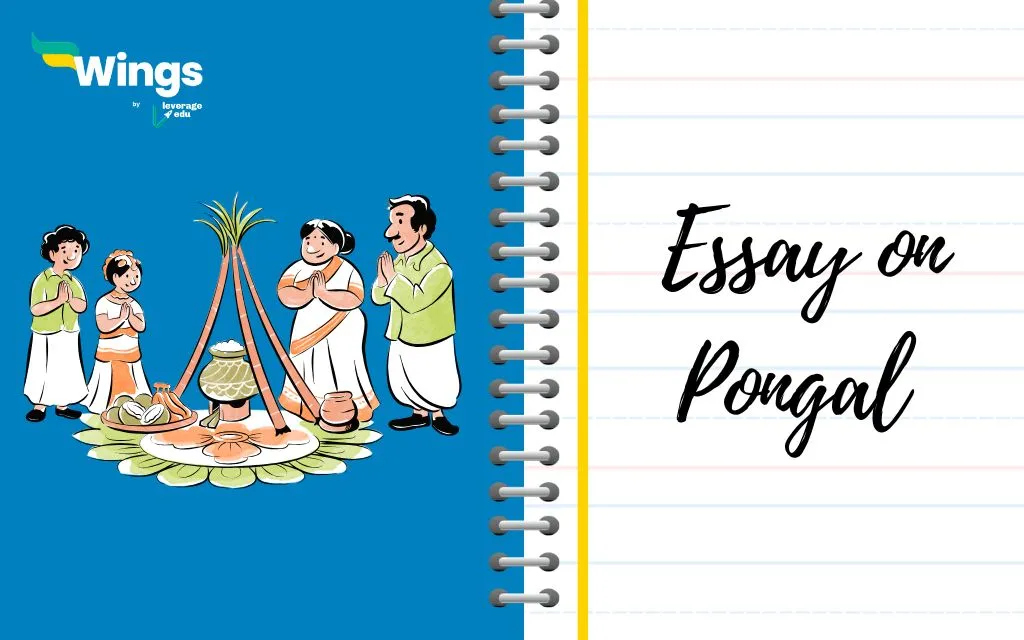
Pongal is one of the most important and joyful harvest festivals of India, celebrated mainly in Tamil Nadu with great devotion, gratitude, and cultural pride. Observed every year in mid-January (usually from 14 to 17 January), Pongal marks the beginning of the Tamil month Thai and is dedicated to thanking the Sun God, nature, cattle, and farmers for a successful harvest. The festival beautifully reflects India’s deep connection with agriculture, sustainability, and traditional values. From boiling the sacred Pongal dish and decorating homes with colourful kolams to honouring cows and sharing happiness with family, Pongal teaches lessons of unity, respect for nature, and thankfulness.
In this blog, we provide well-structured essay samples on Pongal in different word limits for students. These essays include the festival date, significance, rituals, and updated cultural relevance, making them ideal for school assignments, exams, and speeches.
Contents
Essay on Pongal in 100 words
Pongal is a famous festival of Tamil Nadu. It is celebrated every year in the month of January, mostly from 14 to 17 January. This festival is celebrated to thank nature and farmers for a good harvest. It also marks the beginning of the Tamil month called Thai.
On the main day of Pongal, people cook a special food called pongal. It is made by boiling rice, milk, and jaggery together. When the food boils and flows out of the pot, everyone feels happy. People say it brings good luck and prosperity.
During Pongal, houses are cleaned and decorated with kolams. Cows and bulls are also honoured because they help farmers in farming. Pongal teaches us to respect nature, value food, and understand the hard work of farmers.
Must Check Out:
Essay on Pongal in 200 words
Pongal is an important harvest festival celebrated in Tamil Nadu and by Tamil people in many parts of the world. It is celebrated in mid-January, mostly from 14 to 17 January, after the harvesting of crops. The festival thanks the Sun God and nature for helping farmers grow food.
Pongal is celebrated for four days. The first day is Bhogi, when people clean their homes and remove old items. The second day is Thai Pongal, which is the main festival day. On this day, families prepare pongal using freshly harvested rice, milk, and jaggery. When the milk boils over, it is believed to bring prosperity.
The third day is Mattu Pongal, dedicated to cows and bulls. Farmers decorate cattle with flowers and feed them special food. The last day, Kaanum Pongal, is meant for visiting relatives, enjoying picnics, and spending time together.
Rice plays a major role in Pongal because Tamil Nadu is one of the leading rice-producing states in India. Schools and colleges usually remain closed during Pongal so students can celebrate with family.
Pongal helps children understand farming, respect animals, and value the food on their plates.
Also Read: Holi Essay
Essay on Pongal in 300 words
The festival of Pongal has its historical roots in Dravidian culture. The festival has been celebrated as Thai Niradal in the Sangam age which is around 200 B.C. to 300 A.D. It is believed that during the period of Thai Niradal, unmarried girls offered to pray for the country´s agricultural prosperity.
The basic highlight of the festival is the four days which are Bhogi Pongal, Thai Pongal, Mattu Ponga, and Kaanum Ponga. All the days have their unique importance and attraction of the harvesting festival.
Thai Pongal is the first and main day of the festival. The day is dedicated to the family and includes the cleansing and discarding of all old belongings that are no longer in use. Here, the discarding symbolizes welcoming the new and throwing out the old. Prayers and thanks are offered to the King of God.
People wear new clothes and decorate their homes for the new beginning. Different Pongal dishes are arranged to express communal gratitude and expressions of love and togetherness are celebrated among the family members.
The second day of Pongal is celebrated as Surya Pongal or the Thai Pongal. The day is dedicated to the God of Energy and Light, the Sun. People decorate their floors with beautiful patterns called kolam. Kolam, often called muggu are geometrical lines that are drawn around the pattern of dots. Muggu is drawn at the entrance of the home to welcome the Goddess Lakshmi and to drive away the evil spirits.
On this special day, the women of the family boil the milk with rice and let it fall on the ground. It is believed that the free boiled milk symbolizes prosperity and abundance. Later on, the dish, which is known as Pongal, is served to the Sun with several other dishes prepared to celebrate the festival.
The third day of the festival is called Maatu Pongal. The day is dedicated to cattle and their importance in the lives of agriculture and humans. Maatu Pongal honors the livestock for helping the humans in growing crops. Moreover, traditional games like Jallikattu which is also known as a bull-taming sport, showcase the strong bond between humans and animals.
The festival of Pongal concludes with the last type of Pongal, popularly known as Kaanum Pongal. Families come together and celebrate the festival by visiting religious places and enjoying delicious food. Young members of the family seek the blessings of the elders, celebrate the gatherings, and bond with happiness.
In conclusion, Pongal is a festival that has its unique history and significance. The long days of celebration thank Mother Nature for bestowing sunlight, rain, wind, and other important factors that help the crops grow healthily.
Also Read: Essay on Diwali in English
FAQs
To write an essay on Pongal, first start with a short introduction explaining what Pongal is and when it is celebrated. Then write a few lines about why the festival is important and who celebrates it. In the next part, describe the main traditions such as cooking the pongal dish, drawing kolams, and honouring cows and farmers. After that, mention what Pongal teaches us, like respect for nature, food, and hard work. Finally, end the essay with a simple conclusion saying why Pongal is special and meaningful for everyone.
The importance of Pongal lies in celebrating and thanking nature for a good harvest. It is a harvest festival that shows gratitude to the Sun God, farmers, and farm animals for helping in the production of food. Pongal also teaches people the value of hard work, sharing, and respect for nature. By celebrating Pongal, families come together, honour farming traditions, and pass cultural values to children, making it an important festival of unity and thankfulness.
We celebrate Pongal Day to thank the Sun God, nature, and farmers for a good harvest and for providing us with food. It is mainly celebrated in Tamil Nadu and by Tamil communities in other parts of India and abroad. Pongal marks the harvesting season and the beginning of the Tamil month Thai, and people express gratitude by cooking the pongal dish, decorating homes, and honouring cattle that help in farming.
Related Blogs
For more information on such interesting topics, visit our essay writing page and follow Leverage Edu.

 60,000+ students trusted us with their dreams. Take the first step today!