

 One app for all your study abroad needs













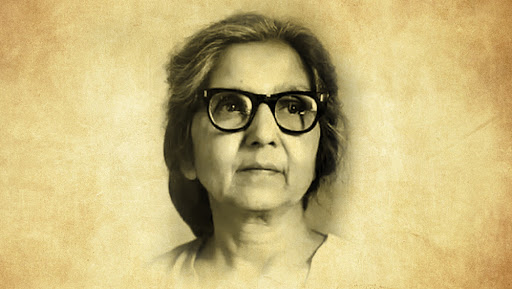
Aruna Asaf Ali, also known as the ‘Grand Old Lady Of Indian Independence’ was an Indian freedom fighter and had a prominent role in the Quit India Movement, she was born in Kalka Punjab which is now the state of Haryana and had a great influence on the Indian Independence Struggle. Read this blog to learn more about the life of Aruna Asaf Ali and her contributions to Indian society.
| Aspect | Description |
| Name | Aruna Asaf Ali |
| Professions | Educator, Political Activist |
| Nickname | Grand Old Lady Of Indian Independence |
| Date Of Birth | July 16, 1909 |
| Place Of Birth | Kalka Punjab now Haryana |
| Known For | Hoisting the Indian National Flag at the Gowalia Tank Maidan during the Quit India Movement (1942)First Mayor of Delhi (Post-Independence) |
| Political Party | Communist Party Of India |
| Other Affiliations | Indian National Congress |
| Awards | Bharat RatnaJawaharlal Nehru AwardPadma Vibushan International Lenin Peace Prize |
Contents
Aruna Asaf Ali’s Early Life
Aruna Asaf Ali was born on July 16, 1909, in a town called Kalka, which is now in Haryana. She came from a family that believed in education and social reform. Her father was a journalist, and her mother’s family worked for social changes. Aruna studied at good schools and was interested in helping people from a young age.
- Upendranath Ganguly and Ambalika Devi. Ambalika Devi was the daughter of Trailokyanath Sanyal a prominent leader of the Brahmo Samaj
- Aruna graduated from All Saints College in Nainital and started working as a teacher at the Gokhale Memorial School in Calcutta.
Aruna Asaf Ali Contribution To Indian Freedom Struggle
Aruna Asaf Ali was a fearless freedom fighter who played a very important role in India’s struggle for independence from British rule. She is best known for hoisting the Indian National Congress flag at the Gowalia Tank Maidan in Mumbai during the Quit India Movement in 1942, which became a symbol of resistance against British rule. Aruna worked tirelessly to organize protests, spread awareness, and encourage people to join the fight for freedom. She also helped many leaders by hiding them when the British tried to arrest freedom fighters. Her courage and dedication made her one of the most respected women leaders in the freedom movement.
| Period | Activity | Significance |
| The early 1930s | Participated in protests during the Salt Satyagraha | She demonstrated her commitment to non-violent resistance against British rule. |
| 1930 | Arrested for activism | Highlighted the British practice of detaining protestors. |
| 1942 | Hoisted The Indian National Flag at Gowalia Tank Maidan | Became a powerful symbol of defiance during the Quit India Movement, inspiring others to continue the fight for freedom despite leadership arrests. |
| Later Part Of 1942 | Used to edit the magazine ‘Inquilab’ | Helped to keep the spirit of resistance alive by disseminating information and messages |
Also read: Ishwar Chandra Vidyasagar: Life, Contributions, and Impact
Aruna Asaf Ali’s Life Post Independence
After India’s independence, she became a member of the Congress Socialist Party.
- She left the Congress Socialist Party and joined the Communist Party of India (CPI).
- Asaf Ali, her husband, died in 1953.
- She formed the women’s wing of CPI, called the National Federation of Indian Women, in 1954.
- In 1958, she became the first mayor of Delhi.
- Aruna Asaf Ali passed away on July 29, 1996, at the age of 87.
Aruna Asaf Ali’s Awards and Honors
Aruna Asaf Ali received many awards for her lifetime work, including:
- The International Lenin Peace Prize in 1964 for promoting peace.
- The Jawaharlal Nehru Award in 1991 for international understanding.
- The Padma Vibhushan in 1992, which is India’s second-highest civilian award.
- The Bharat Ratna, India’s highest civilian award, was given to her after her death in 1997.
FAQs
Aruna Asaf Ali was an Indian freedom fighter known for her role in the Quit India Movement and as the first Mayor of Delhi post-independence.
She gained prominence for hoisting the Indian National Flag during the Quit India Movement in 1942, symbolizing defiance against British rule.
Aruna Asaf Ali contributed significantly to India’s freedom struggle through activism, including her role in protests and as a leader in the Quit India Movement.
Relevant Blogs
| 50 Inspiring & Great Personalities of India and the World! | Famous Personalities of India: Know All About Them! |
| Sarojini Naidu: Biography, Education, Quotes, Poems | Education of Nelson Mandela & His Inspirational Life Story |
| Education of Rabindranath Tagore: Early Life and Work | Dr Sarvepalli Radhakrishnan’s Biography and Education |
Here you read all about the biography of Aruna Asaf Ali. If you want to know more about other Famous Personalities then visit our General Knowledge page!

 60,000+ students trusted us with their dreams. Take the first step today!