

 One app for all your study abroad needs

















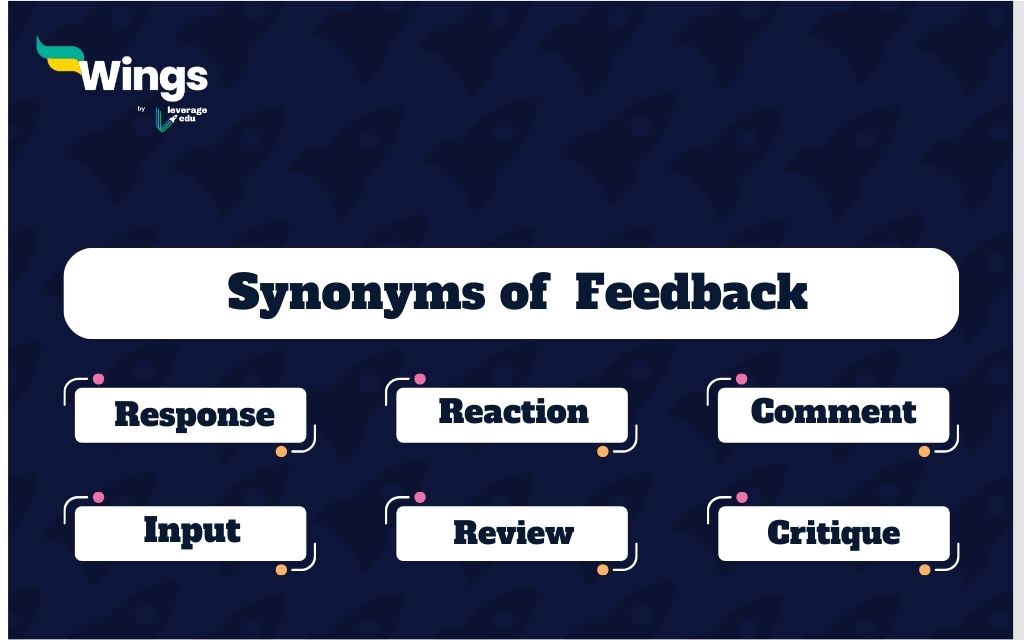
Stop wasting time sounding repetitive and mechanical in essays, emails, or group discussions. Feedback is not just a basic word used by teachers. It is a core part of clear and effective communication. If you do not use the right synonyms, your writing loses impact and sounds limited. This blog focuses on substance, not filler. You will learn the most important synonyms of feedback, their correct usage, modern alternatives used today, common mistakes to avoid, and a practical cheat sheet that improves your vocabulary for everyday use.
This Blog Includes:
What Does Feedback Really Mean?
Feedback means information, comments, or responses given to help someone understand how they are doing and how they can improve. It can be positive, negative, or neutral, but its main purpose is growth and clarity. In academics, feedback helps students correct mistakes and improve performance. In communication, it shows reactions, opinions, or evaluations from others. Understanding what feedback really means makes it easier to choose the right words and synonyms in writing and conversations.
Top Synonyms of Feedback and How to Use Them?
Feedback is not limited to one word or one situation. Different synonyms of feedback carry different tones, meanings, and levels of formality. Using the right synonym helps you sound clearer, more professional, and more confident in essays, emails, and conversations. Below are the most useful synonyms of feedback, explained in a simple and practical way so you know exactly when and how to use each one.
Response
A response means a reply or reaction to something said, done, or submitted. It is commonly used in academic, professional, and casual communication. Use this word when you are talking about how someone reacts to a question, message, or task.
Example: The teacher gave a detailed response to my project submission.
Comment
A comment is a short opinion or remark about something. It is widely used in classrooms, online platforms, and discussions. Use this word when the feedback is brief and informal.
Example: She left a helpful comment on my essay.
Review
A review is a detailed opinion after examining something carefully. It is often used for assignments, books, products, or performances. Use this word when the feedback includes judgment and explanation.
Example: The professor provided a full review of our final report.
Critique
A critique involves deep analysis and constructive judgment. It is mostly used in academic and professional settings. Use this word when the feedback focuses on strengths and weaknesses.
Example: The artwork received a thoughtful critique from the instructor.
Evaluation
An evaluation is a formal assessment of quality or performance. It is commonly used in exams, job performance, and reports. Use this word when the feedback is structured and official.
Example: The evaluation showed steady improvement in his skills.
Assessment
Assessment refers to measuring understanding, progress, or performance. It is mostly used in education and training. Use this word when feedback is based on testing or observation.
Example: The assessment highlighted areas that needed improvement.
Input
Input means suggestions or ideas shared to help improve something. It is commonly used in teamwork and planning. Use this word when inviting opinions from others.
Example: We asked for student input before finalizing the project.
Observation
An observation is feedback based on what someone notices or records. It is usually neutral and factual. Use this word in academic, scientific, or professional contexts.
Example: The observation noted increased participation in class.
Opinion
An opinion is a personal belief or viewpoint. It is informal and subjective. Use this word when feedback is based on personal thoughts rather than facts.
Example: My opinion on the presentation was mostly positive.
Suggestion
A suggestion is advice offered to improve something. It is polite and constructive. Use this word when feedback aims to guide rather than judge.
Example: The teacher gave a suggestion to improve my conclusion.
Advice
Advice is guidance given to help someone make better decisions. It is often personal and supportive. Use this word in mentoring or informal contexts.
Example: She gave valuable advice on exam preparation.
Recommendation
A recommendation is a formal suggestion based on judgment or experience. It is commonly used in academics and professional settings. Use this word when proposing a course of action.
Example: The report included recommendations for improvement.
Reaction
A reaction shows how someone feels or responds immediately. It is often emotional or instinctive. Use this word in casual or descriptive contexts.
Example: The audience’s reaction was very positive.
Appraisal
An appraisal is a formal review of performance, especially in workplaces. It is structured and official. Use this word in professional environments.
Example: The annual appraisal discussed his progress.
Remarks
Remarks are brief spoken or written comments. They can be formal or informal. Use this word when referring to short feedback statements.
Example: The principal made encouraging remarks about the results.
Insight
Insight refers to deep understanding or useful perspective. It is often valued in academic and creative work. Use this word when feedback offers clarity or new ideas.
Example: Her insight helped improve the research paper.
Judgment
Judgment is an opinion formed after careful thought. It can sound strong or critical. Use this word in formal or analytical contexts.
Example: The final judgment was based on performance.
Reflection
Reflection involves thoughtful consideration and personal feedback. It is common in learning and self-evaluation. Use this word when feedback is introspective.
Example: The assignment included a reflection on learning outcomes.
Take
A take is an informal way of sharing an opinion. It is common in casual speech and online discussions. Use this word in relaxed settings.
Example: His take on the topic was interesting.
Insightful Note
An insightful note is a brief but meaningful piece of feedback. It is usually written and thoughtful. Use this phrase when highlighting valuable comments.
Example: The mentor left an insightful note on my draft.
Also Check: Idioms to Express Sadness
Casual and Modern Words for Feedback
In informal settings like classrooms, group chats, peer reviews, and online platforms, students often use lighter and more conversational words instead of formal feedback terms. These words keep communication clear without sounding academic or stiff.
Heads-up
Heads-up means a quick alert or reminder meant to help someone avoid a mistake. It is informal and commonly used in conversations.
Example: Just a heads-up, the submission format has changed.
Pointer
A pointer is a small but useful tip or direction. Use it when offering brief guidance without sounding critical.
Example: The senior gave me a helpful pointer for my presentation.
Nudge
A nudge is a gentle reminder or suggestion. It is polite and supportive in tone.
Example: The teacher gave a nudge to revise the introduction.
Flag
Flag means to highlight or bring attention to something important. It is casual but widely accepted in academic and professional talk.
Example: I just wanted to flag a small error in the data.
Shoutout
A shoutout is informal praise or recognition. It is commonly used in student spaces and online platforms.
Example: A shoutout to the team for the clean report.
Callout
A callout points out an issue or mistake openly. It is informal and should be used carefully.
Example: The mentor made a callout about missing references.
Mention
A mention refers to briefly pointing something out. It is neutral and casual.
Example: She made a quick mention of areas to improve.
Note Down
Note down means recording or pointing out something important. It is informal and practical.
Example: Please note down these changes before submitting.
Highlight
Highlight means emphasizing something important or noticeable. It works well in both casual and semi-formal contexts.
Example: The teacher highlighted strong arguments in my essay.
Vibe Check
Vibe check refers to the overall feel or impression of something. It is informal and commonly used by Gen Z.
Example: The group gave a positive vibe check on the project idea.
Also Read: Synonyms of Ephemeral
Common Mistakes with Feedback Synonyms
Using synonyms of feedback incorrectly can confuse your reader and weaken your message. These mistakes are common among students and often reduce clarity in essays, emails, and conversations. Understanding what to avoid is just as important as knowing the right words.
Using Formal Words in Casual Situations
Students often use words like evaluation or appraisal in group chats or peer discussions. This makes the message sound stiff and unnatural. Always match the word to the situation.
Treating All Synonyms as Interchangeable
Not every synonym of feedback has the same meaning. Words like critique, opinion, and reaction carry different levels of seriousness and intent. Using the wrong one can change the meaning of your sentence.
Overusing One Synonym Repeatedly
Repeating the same word again and again makes writing boring. Many students rely only on feedback or comment instead of switching to suitable alternatives. This limits vocabulary growth.
Using Strong Words Without Context
Words like judgment or callout can sound harsh if used without explanation. These words need clear context to avoid sounding rude or negative.
Ignoring Tone and Audience
Students often forget who they are writing for. A word that works in an academic essay may not suit a casual discussion. Always consider the reader before choosing a synonym.
Confusing Feedback with Advice
Feedback explains what is working and what is not. Advice tells someone what to do next. Mixing these two can make your message unclear.
Using Casual Words in Formal Writing
Words like vibe check or shoutout should not appear in academic or professional writing. This mistake reduces credibility and seriousness.
Misusing Synonyms Without Understanding Meaning
Using words without knowing their exact meaning leads to incorrect sentences. Always understand what a synonym actually represents before using it.
Quick Synonym Cheatsheet for Students
This cheatsheet brings together all the synonyms of feedback covered in this blog in one place. It is designed for quick revision, exam prep, writing support, and everyday use. Each word is mapped with its meaning and the best situation to use it, so you do not get confused while choosing the right synonym.
| Synonym | Simple Meaning | Best Used In |
| Response | A reply or reaction | Essays, emails, conversations |
| Comment | A short opinion or remark | Classwork, online platforms |
| Review | Detailed opinion after checking | Assignments, products, reports |
| Critique | Deep and constructive analysis | Academic and professional work |
| Evaluation | Formal judgment of performance | Exams, reports, assessments |
| Input | Ideas or suggestions shared | Teamwork, planning |
| Observation | Feedback based on noticing facts | Academic and professional settings |
| Opinion | Personal view or belief | Informal writing, discussions |
| Suggestion | Advice for improvement | Classwork, peer reviews |
| Advice | Guidance to help someone improve | Mentoring, informal settings |
| Recommendation | Formal suggestion | Reports, academics, workplaces |
| Reaction | Emotional or immediate response | Casual discussions, reviews |
| Appraisal | Official performance review | Workplaces, formal reviews |
| Remarks | Brief spoken or written comments | Speeches, classrooms |
| Insight | Deep understanding or clarity | Essays, analysis |
| Judgment | Opinion formed after thinking | Formal or analytical writing |
| Reflection | Thoughtful personal feedback | Learning journals, self reviews |
| Take | Informal opinion | Casual conversations |
| Insightful Note | Short but meaningful feedback | Academic drafts, mentoring |
| Heads-up | Quick alert or reminder | Casual communication |
| Pointer | Small helpful tip | Guidance, mentoring |
| Nudge | Gentle reminder | Supportive feedback |
| Flag | Bring attention to something | Academic and professional use |
| Shoutout | Informal praise | Student spaces, online |
| Callout | Directly pointing out an issue | Informal but cautious use |
| Mention | Brief reference | General communication |
| Note Down | Record or point out | Class instructions |
| Highlight | Emphasize importance | Feedback, reviews |
| Vibe Check | Overall impression | Very informal, Gen Z use |
Don’t Miss This: 500+ Most Commonly Used Idioms in English: Meaning and Examples
FAQs
Ans: Another word for feedback can be response, comment, review, critique, or input. The right synonym depends on the situation, such as academic writing, casual conversation, or professional evaluation.
Ans: New or modern words used instead of feedback include insight, thoughts, take, or suggestion. These words are commonly used by students and professionals in informal chats, emails, and online platforms.
Ans: Assessment can be a synonym of feedback in formal or academic settings. However, assessment usually focuses on judging performance, while feedback also includes advice, opinions, and improvement suggestions.
Ans: Feedback means comments or information given to help someone improve or understand something better. It can come from teachers, friends, apps, or even customers.
Ans: Students should choose feedback synonyms based on tone and context. Formal words like evaluation or critique work best in essays, while casual words like thoughts or input suit chats and group discussions.
Related Posts
| Synonyms of Cry | Antonyms of Victim |
| Synonyms of Huge | Antonyms of Misogyny |
| Synonyms of Jovial | Antonyms of Lazy |
This was everything you needed to finally master the synonyms of feedback with examples. Now you know what each synonym means, how to use it like a pro, and how to avoid those cringe mistakes that make your writing or chats look weak. Keep learning and stay connected with Learn English on Leverage Edu for more helpful and student-friendly blogs. And if this helped you, don’t forget to share, rate, and drop a comment. Your support helps more students find the good stuff.

 60,000+ students trusted us with their dreams. Take the first step today!