

 One app for all your study abroad needs













English becomes a full jump scare when someone drops an idiom and your brain starts buffering like an old laptop. Teachers act like you should magically understand every phrase while your mind is fighting for its life. Exams throw Idioms for Confusion at you like side quests you never asked for. Even reels use them casually and you are just standing there decoding vibes instead of meaning. If you keep guessing, you will keep sounding lost. This blog breaks every confusing idiom in simple words so you stop glitching in conversations and finally speak English with confidence and clarity.
This Blog Includes:
Idiom for Being Confused
Confusion is the feeling of being lost in a mental fog. It’s when your thoughts are jumbled, making it hard to concentrate, remember things, or make decisions. It can be caused by anything from lack of sleep to a medical condition. The good news is, that confusion is often temporary and can be resolved by addressing the root cause. Check out the idiom below which will help if you are in the state of ‘confusion’ and make clear decisions.
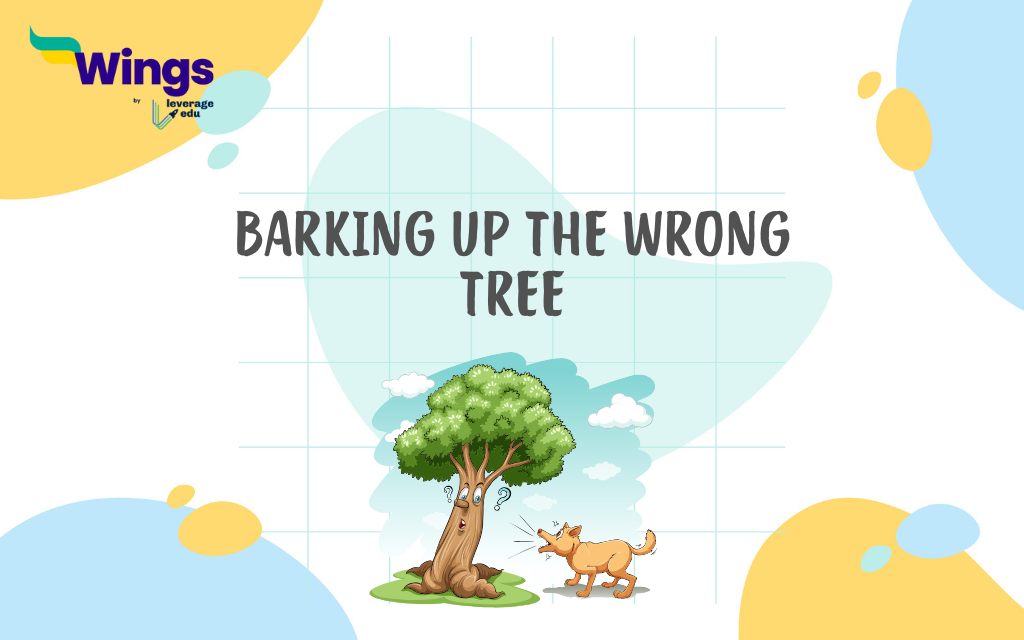
Barking Up the Wrong Tree
The idiom Barking up the wrong tree means to pursue a mistaken or misguided course of action. It comes from the hunting practice of dogs barking at the base of a tree where they believe their prey is hiding. However, the prey may have moved to another tree, leaving the dogs barking up the wrong tree.
Example: John accused Tom of stealing his wallet, but he was barking up the wrong tree because Tom was out of town when the theft occurred.
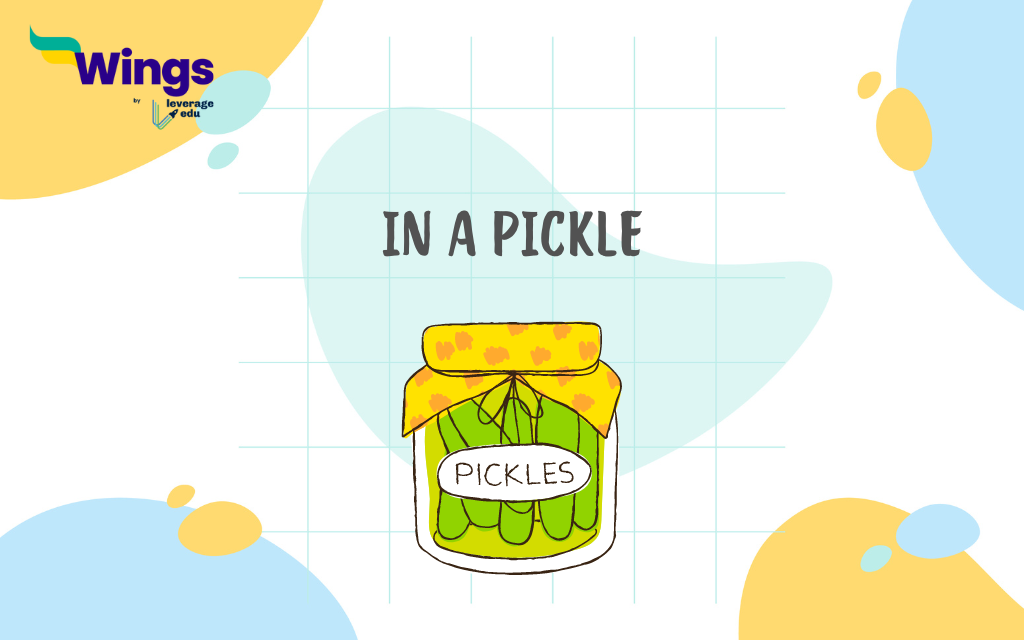
In a Pickle
When you feel like you are in a pickle, then it means being in a difficult or awkward situation. This idiom for confusion refers to the process of preserving food in vinegar or brine, which can make the food sour and difficult to eat.
Example: Mary was in a pickle when she realized she had left her passport at home on the day of her flight.
Between a Rock and a Hard Place
The idiom Between a rock and a hard place refers to being faced with two equally difficult choices. Alternatively, it means to being stuck in a position where there is no easy way out.
Example: Jane was between a rock and a hard place when she had to choose between quitting her job or working overtime every day.

Spill the Beans
Spill the beans is an idiom suitable to reveal a piece of secret or confidential information. This metaphorical phrase comes from the ancient Greek practice of voting by placing beans in jars. If someone knocked over the jar, the beans would spill, revealing the results of the vote.
Example: Sarah spilt the beans about the surprise party, ruining the surprise for everyone.

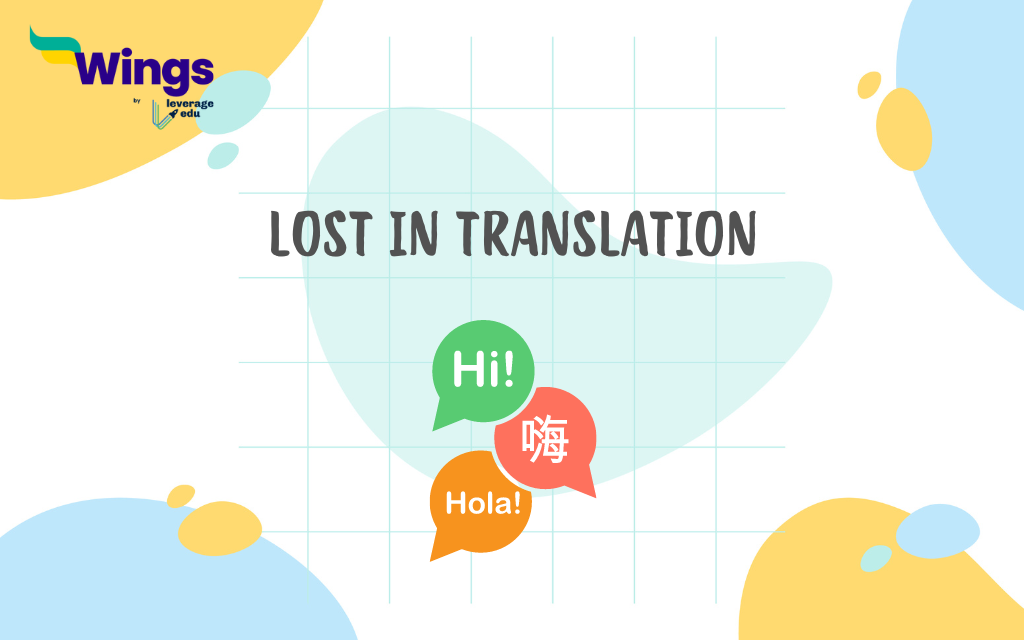
Lost in Translation
This idiom refers to the difficulty of translating idiomatic expressions from one language to another. In other words, it means to be misunderstood or misinterpreted due to a language barrier.
Example: The joke was lost in translation when the comedian tried to perform it in a foreign language.
Up in the Air
The idiomatic phrase Up in air means to be uncertain or undecided. It also refers to something that is not yet settled or resolved.
Example: The date for the meeting is still up in the air, as we are waiting for confirmation from the participants.

Off the Beaten Track
To go somewhere that is not well-known or popular. This idiom refers to a path or route that is not commonly used.
Example: We decided to go off the beaten track and explore the countryside instead of staying in the city.
Also Read: 7 Best Idioms for Achieving Goals You Should Know
Bonus Drop: Lesser-Known Idioms for Confusion with Extra Spice
You made it this far, so here’s the good stuff most guides don’t even bother adding. These idioms are the offbeat, extra-flavour ones that describe confusion in ways normal English simply cannot. They’re sharper and way more specific, perfect for moments when your brain is glitching and the usual phrases just don’t cut it. Use these to sound naturally expressive without trying too hard.
At Your Wit’s End
The idiom At your wit’s end means being so stressed, confused, or overwhelmed that you have no idea what to do next. It describes a state where every solution feels blocked and your brain has officially resigned.
Example: After trying every fix, I was at my wit’s end with the slow laptop.
Be at a Loss
Be at a loss means you’re unable to understand, decide, or explain something. It shows complete confusion in a calm but helpless way.
Example: I was at a loss for words when the results came out completely opposite of what I expected.
Confounded
Confounded refers to feeling extremely confused or puzzled by something that should make sense but doesn’t. It often shows frustration mixed with disbelief.
Example: The sudden rule change left everyone confounded during the meeting.
I’m a Bit Confused By
Saying I’m a bit confused by is a polite way of admitting you don’t understand something clearly. It shows mild confusion without sounding too lost.
Example: I’m a bit confused by the new instructions; can you walk me through them?
At Sixes and Sevens
The phrase At sixes and sevens means being in total disorder, chaos, or confusion. It describes situations where nothing is in place and everyone is scrambling.
Example: The office was at sixes and sevens after the sudden power outage.
Alphabet Soup
Alphabet soup describes a mix of letters, acronyms, or jargon that makes everything confusing and unreadable. It is often used for bureaucratic or technical terms.
Example: The new policy document was just alphabet soup with endless abbreviations.
At Sea
At sea means being completely unsure or lost, especially when dealing with a new topic or situation. It shows total confusion and lack of direction.
Example: I felt at sea during my first coding class.
Baffle the Brains Out of Someone
This idiom means to confuse someone so much that their mind feels overloaded. It describes extreme confusion caused by something complex or unexpected.
Example: The professor’s explanation baffled the brains out of the entire class.
Not Have a Clue
Not have a clue means having absolutely no idea about something. It shows total lack of understanding or awareness.
Example: I don’t have a clue how this machine works.
Go Around in Circles
Go around in circles means trying to solve something but ending up with no progress because the same confusion keeps repeating.
Example: We kept going around in circles while planning the event with no final decision.
Throw for a Loop
Throw for a loop means to surprise or confuse someone unexpectedly. It usually describes sudden changes that disrupt understanding.
Example: The updated exam pattern really threw students for a loop.
Lost in the Sauce
Lost in the sauce means being so overwhelmed by details, emotions, or chaos that you lose track of what’s actually happening.
Example: With too many tasks at once, I got completely lost in the sauce.
Mind-Boggling
Mind-boggling means something is so complex, extreme, or surprising that it becomes overwhelming to understand.
Example: The amount of information in the report was mind-boggling.
Bark Up the Wrong Tree
This idiom means to pursue the wrong idea, blame the wrong person, or misunderstand what the real problem is.
Example: If you think missing files are my fault, you’re barking up the wrong tree.
Clear as Mud
Clear as mud sarcastically means something is very confusing or unclear. It’s used when an explanation makes things worse instead of easier.
Example: The instructions were clear as mud, so no one knew what to do next.
Also Read: Understanding Idioms: Examples and Meanings
Idioms for Confusion Quiz
Here are 10 multiple-choice questions (MCQs) on Idioms for confusion:
1. What does the idiom “at sea” mean?
A) Feeling happy and excited
B) Completely confused or lost
C) Being on a boat
D) Winning a competition
Answer: B) Completely confused or lost
2. If someone says “I’m in a fog,” what do they mean?
A) They are literally in foggy weather
B) They are feeling confused or unable to think clearly
C) They are feeling energetic
D) They are making a mistake
Answer: B) They are feeling confused or unable to think clearly
3. What does “going around in circles” suggest?
A) Running in a race
B) Discussing or thinking about something without making progress
C) Walking in a straight line
D) Avoiding a problem
Answer: B) Discussing or thinking about something without making progress
4. What does the phrase “throw someone for a loop” mean?
A) To make someone extremely happy
B) To surprise or confuse someone unexpectedly
C) To give someone a present
D) To make someone laugh
Answer: B) To surprise or confuse someone unexpectedly
5. If an explanation is “as clear as mud,” how is it?
A) Very easy to understand
B) Extremely confusing
C) Perfectly logical
D) Fun to listen to
Answer: B) Extremely confusing
6. If someone is “barking up the wrong tree,” what are they doing?
A) Looking in the wrong place for answers
B) Taking care of animals
C) Cutting down a tree
D) Doing something in the right way
Answer: A) Looking in the wrong place for answers
7. “Not have a clue” means:
A) To be completely clueless about something
B) To have an answer ready
C) To be solving a puzzle
D) To be close to discovering something
Answer: A) To be completely clueless about something
8. If someone is “lost in the sauce,” they are:
A) Enjoying their meal
B) Feeling completely confused or overwhelmed
C) Cooking something delicious
D) Making a clever decision
Answer: B) Feeling completely confused or overwhelmed
9. What does “mind-boggling” mean?
A) Something extremely confusing or difficult to understand
B) Something funny and entertaining
C) A simple and straightforward idea
D) A physical exercise
Answer: A) Something extremely confusing or difficult to understand
10. If something “baffles the brains out of you,” how do you feel?
A) Very intelligent
B) Extremely confused
C) Excited and thrilled
D) Ready to take action
Answer: B) Extremely confused
Also Read: Idioms for IELTS
FAQs
Ans: You can say uncertainty, puzzlement, bewilderment, or lack of clarity instead of confusion. These words express the same feeling but sound more polished and formal. They are useful in academic writing, emails, and professional conversations.
Ans: Mixing up two idioms is called a malaphor. A malaphor happens when someone blends two expressions by accident, creating a funny or confusing new phrase. It is common among English learners and even native speakers.
Ans: You can say “I’m not sure,” “I’m unclear about this,” “I’m having trouble understanding,” or “This doesn’t make sense to me.” These alternatives sound polite and clearer in both formal and informal settings. They also help you communicate confusion without sounding lost.
Ans: Cover in confusion means to overwhelm someone with embarrassment, shock, or sudden stress. It’s often used when a person makes a mistake and feels instantly flustered. The idiom highlights the emotional impact rather than the action itself.
Ans: Several idioms show confusion, such as at sea, clear as mud, bark up the wrong tree, and throw for a loop. These expressions describe situations where someone is unsure, puzzled, or completely lost. They help bring more emotion and clarity into everyday English conversations.
Check more blogs on idioms and proverbs
This was everything you needed to finally master Idioms for Confusion with meaning and usage. Now you know what each idiom means, how to read the vibe fast, and how to use them without second-guessing yourself. Keep learning and stay connected with Learn English on Leverage Edu for more helpful and student-friendly blogs. And if this helped you, don’t forget to share, rate, and drop a comment. Your support helps more students find the good stuff.

 60,000+ students trusted us with their dreams. Take the first step today!