

 One app for all your study abroad needs













Discipline is what keeps a person in control and helps them stay focused on their goals. According to Merriam-Webster, discipline is “control gained by enforcing order or obedience.” It also refers to having an orderly pattern of behavior. Discipline motivates students to work consistently, develop good habits, and achieve success in school, exams, and life. Writing an essay on discipline is a common school task. To make it easier, we have prepared sample essays in 100 words, 150 words, 200 words, 300 words, 500 words, and a detailed 1000-word essay. These examples will help students understand the importance of discipline, its types, and how to structure their essays effectively.
Contents
- 1 Why Discipline Still Matters in a Student’s Life?
- 2 Types of Discipline and What They Actually Teach You
- 3 Short Essay On Importance Of Discipline 100 Words
- 4 Essay on Discipline in 150 Words for School Students
- 5 Essay on Discipline in 200 Words: The Real Value of Self-Control
- 6 Essay on Discipline in 300 Words: Lessons That Stay for Life
- 7 Essay on Discipline in 500 Words
- 8 1000-word Essay on Discipline
- 9 10 Lines on Discipline for Students of All Ages
- 10 Popular Discipline Quotes and Slogans to Use in Your Essay
- 11 How Discipline Builds Good Habits and a Winning Mindset
- 12 Tips to Write an Essay on Discipline for Class 6–10 Students
- 13 FAQs
Why Discipline Still Matters in a Student’s Life?
Talent is cool, but discipline wins every single time. You can be the smartest in class, but if you can’t stick to a plan, you’re just another “almost topper.” Discipline turns potential into performance. It keeps you studying when everyone else is watching reels.
In a student’s life, discipline hits different because it quietly builds everything you need: focus, patience, and control. It’s not about being robotic; it’s about being consistent. When you sleep on time, attend classes, revise regularly, and balance your breaks, you don’t just survive school, you master it. Here’s how discipline shapes your student life every day:
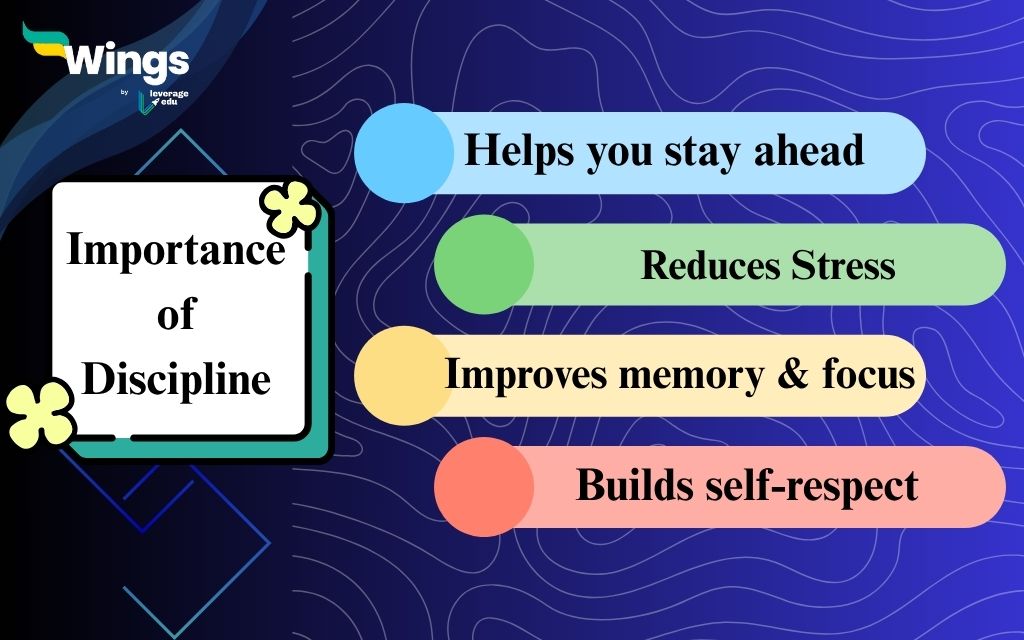
- Helps you stay ahead: You don’t wait for deadlines, you own them.
- Reduces stress: No last-minute breakdowns before exams.
- Improves memory & focus: A steady routine helps your brain actually remember stuff.
- Builds self-respect: You trust yourself because you show up.
Types of Discipline and What They Actually Teach You
Discipline is about learning how to manage yourself when no one’s watching. There are different types of discipline, and each teaches a totally different life skill. Some build habits, some build confidence, and some teach you what not to do. Here’s a quick breakdown of the main types of discipline every student deals with and what they actually teach you:
| Type of Discipline | What It Teaches You | Where You See It Most |
| Self-Discipline | Staying focused even when your phone is calling your name | Studying for exams, gym, saving money |
| Parental Discipline | Following home rules and learning respect | Doing chores, time limits, manners |
| School Discipline | Understanding structure and teamwork | Following timetables, uniform rules, deadlines |
| Social Discipline | Behaving responsibly around others | Group projects, public spaces, friendships |
| Positive Discipline | Learning through encouragement, not fear | Teachers motivating students, reward systems |
| Preventive Discipline | Avoiding problems before they happen | Setting clear boundaries, planning ahead |
Short Essay On Importance Of Discipline 100 Words
Discipline is what keeps life in order. It teaches you to focus, stay consistent, and finish what you start. A disciplined student manages time well, respects rules, and works hard without waiting for motivation. Whether it’s waking up early, submitting homework on time, or preparing for exams, discipline makes everything smoother. It’s the reason behind success in school and life. Without discipline, even talent and intelligence fall apart. Staying disciplined helps you grow, learn better, and handle challenges calmly. In short, discipline is the real secret behind every strong student and successful person.
Essay on Discipline in 150 Words for School Students
Discipline means doing the right thing at the right time. It helps students stay focused and complete their work without wasting time. A disciplined student wakes up on time, listens to teachers, finishes homework regularly, and plans studies properly.
Discipline is not about being strict or boring. It is about making small habits that help in daily life. Students who follow discipline can prepare for exams calmly, manage their time better, and avoid last-minute stress. It also teaches respect for others, teamwork, and patience.
Being disciplined makes learning easier and results better. It helps students stay organized and responsible. Students who practice discipline grow into confident and successful people. In short, discipline is the key to success for every student and it shapes their life in a positive way.
Essay on Discipline in 200 Words: The Real Value of Self-Control
Discipline means controlling your actions and doing the right thing even when no one is watching. For students, it is one of the most important habits to develop. It helps manage time, focus on studies, and complete tasks on schedule without delays. A disciplined student wakes up early, attends classes regularly, finishes homework on time, and prepares for exams consistently.
Discipline is not only about following rules at school or home. It teaches patience, responsibility, and respect for others. It helps students make better decisions and avoid distractions like excessive phone use or procrastination. By being disciplined, students can balance studies, hobbies, and rest without stress.
The real value of discipline is that it builds self-control and improves concentration. Students who practice discipline regularly develop good habits, achieve better results, and gain confidence in themselves. Discipline also helps in handling challenges calmly and learning from mistakes. It shapes a student’s character and prepares them for success not only in school but in life.
In simple words, discipline is the foundation of a student’s growth. It turns effort into habit and prepares every student to face the future with confidence, focus, and determination.
Also Read: Essay on Video Game Addiction in 150, 250, and 500 Words
Essay on Discipline in 300 Words: Lessons That Stay for Life
Discipline is the ability to control yourself and follow rules even when no one is watching. It is a habit that helps students stay organized, focused, and consistent in their studies. A disciplined student wakes up on time, completes homework regularly, studies for exams without procrastination, and participates in school activities responsibly.
Discipline is not just about obeying rules at school or home. It teaches patience, responsibility, and respect for others. When students are disciplined, they can manage their time effectively, balance studies with hobbies, and avoid distractions such as excessive use of mobile phones or social media. Discipline also helps in handling failures calmly and learning from mistakes.
There are many lessons that discipline teaches. Self-control is the first lesson. Students learn to say no to things that waste time and yes to things that help them grow. Consistency is another lesson. Small daily efforts done regularly lead to big achievements. Discipline also builds good habits like waking up early, reading regularly, and planning daily tasks. It improves concentration, memory, and overall performance in exams and projects.
Discipline is the key to long-term success. Students who follow discipline not only perform better academically but also develop confidence, responsibility, and maturity. It shapes character and prepares them to face challenges in life.
In short, discipline is more than rules. It is a guide to living a balanced, focused, and successful life. Students who practice discipline today build habits and lessons that stay with them for life.
Essay on Discipline in 500 Words
Discipline is the practice of controlling your behavior and actions to follow rules and maintain order. For students, discipline is one of the most important habits to develop because it shapes their daily life, learning, and future success. A student who practices discipline wakes up on time, completes homework regularly, studies consistently, and respects teachers and peers.
Discipline is not about being strict or boring. It is about building habits that make life easier. It helps students manage time effectively, avoid distractions, and focus on what truly matters. For example, a disciplined student sets aside time for studying, sports, hobbies, and rest. This balance reduces stress and ensures better performance in school.
There are different types of discipline that teach various lessons. Self-discipline helps students control their impulses and stay focused on tasks. Parental discipline teaches respect, responsibility, and following rules at home. School discipline helps students understand structure, teamwork, and meeting deadlines. Social discipline guides students on behaving properly around others and respecting societal norms. Each type of discipline contributes to building a well-rounded personality.
Discipline also teaches important life skills. Self-control is the first skill, which helps students resist temptations like excessive phone use or procrastination. Consistency is another key skill because daily effort, even if small, leads to bigger achievements over time. Discipline encourages patience, critical thinking, and the ability to handle failures calmly. Students who follow disciplined routines are more confident, responsible, and mature.
Moreover, discipline improves academic performance. Students who revise regularly, complete assignments on time, and prepare for exams systematically perform better than those who study randomly. It also strengthens habits like punctuality, organization, and focus, which are useful in life beyond school.
In conclusion, discipline is the foundation of success for every student. It is not just following rules but creating habits that help achieve goals, maintain balance, and grow as a person. A disciplined student is prepared for challenges, manages time effectively, and achieves long-term success. Practicing discipline today sets up a student for a life of achievement, confidence, and personal growth.
Also Read: Essay on Animal Rights: Samples in 200, 300, and 500 Words
1000-word Essay on Discipline
Discipline is the practice of controlling one’s behavior and actions to follow rules, maintain order, and achieve goals. It is the foundation of personal growth, academic success, and social development. For students, discipline is about learning self-control, responsibility, and consistency. A student who practices discipline develops habits that lead to better performance, improved focus, and a balanced life.
What Discipline Means for Students
Discipline is more than obeying teachers or parents. It is about making the right choices, managing time wisely, and staying committed to tasks even when distractions appear. A disciplined student wakes up on time, completes homework regularly, prepares for exams consistently, and participates responsibly in school activities. Discipline creates a structure that helps students prioritize studies, hobbies, rest, and social interactions without chaos.
Importance of Discipline in Student Life
Discipline plays a vital role in shaping a student’s personality and academic success. Students who follow disciplined routines can manage time effectively, avoid procrastination, and stay focused on learning. Discipline also reduces stress because students are prepared for exams, assignments, and projects in advance. It helps in building self-confidence as students trust their ability to meet responsibilities and achieve goals. Moreover, discipline encourages respect for teachers, peers, and societal rules, which develops maturity and social awareness.
Types of Discipline and Lessons They Teach
There are several types of discipline that students experience in daily life, and each type teaches important lessons:
- Self-Discipline: Helps students control impulses, resist distractions like social media, and focus on studies. It builds personal responsibility and persistence.
- Parental Discipline: Teaches respect, accountability, and following home rules. It guides students to complete tasks like chores and homework on time.
- School Discipline: Introduces structure, teamwork, and adherence to schedules. It prepares students to follow deadlines and perform in group activities.
- Social Discipline: Guides behavior in public, with friends, and in society. It teaches cooperation, empathy, and ethical conduct.
- Positive Discipline: Encourages learning through rewards and motivation rather than punishment. It fosters confidence and long-term commitment.
Each type of discipline contributes to building a strong, responsible, and well-rounded student who is ready to face challenges.
How Discipline Builds Good Habits
Discipline creates habits that last a lifetime. Daily practice of small tasks leads to major improvements over time. Waking up early, completing assignments on time, revising lessons regularly, and reading consistently are examples of habits that discipline forms. These habits improve concentration, memory, and overall academic performance. They also teach students patience, persistence, and the ability to handle failures calmly.
Discipline and Academic Success
Discipline directly impacts a student’s learning and exam performance. Students who follow a disciplined routine prepare systematically, revise regularly, and complete assignments without delays. This not only improves grades but also reduces exam stress. Being disciplined allows students to manage multiple subjects, balance extracurricular activities, and participate in hobbies without feeling overwhelmed. Discipline ensures that students are always ready for challenges, which helps them perform better in school, board exams, and competitive exams.
Examples of Discipline
- A student who wakes up at 6 a.m. daily for study and exercise develops focus and physical fitness.
- Completing homework before leisure time teaches time management and prioritization.
- Maintaining a small daily reading habit increases vocabulary and comprehension skills.
- Following a fixed study timetable helps manage preparation for multiple subjects without last-minute cramming.
These examples show that discipline is practical and immediately beneficial in a student’s daily life.
Lessons That Stay for Life
Discipline is not only useful in school but also prepares students for adulthood. Self-control, consistency, and responsibility are qualities that remain important in college, jobs, and personal life. Students who practice discipline learn to face failures calmly, make better decisions, and handle responsibilities efficiently. It shapes character and helps in achieving long-term goals. Discipline is the bridge between effort and success, turning small daily actions into major achievements.
Tips for Practicing Discipline
- Set Clear Goals: Know what you need to achieve every day and week.
- Make a Daily Routine: Allocate time for studies, hobbies, rest, and activities.
- Avoid Distractions: Limit social media and other time-wasting activities during study hours.
- Reward Yourself: Small rewards motivate consistent behavior.
- Reflect and Improve: Review your progress and adjust routines to stay efficient.
Popular Discipline Quotes
- “Discipline is the bridge between goals and accomplishment.” – Jim Rohn
- “Small daily improvements lead to long-term success.” – Unknown
- “Self-discipline is the key to freedom.” – Aristotle
Discipline is the backbone of a successful student life. It is the habit of doing the right thing consistently. It helps students manage time, stay focused, achieve academic success, and develop important life skills. Practicing discipline builds self-control, confidence, and responsibility. Students who follow discipline today create habits that stay for life and prepare them for challenges ahead. A disciplined student is always ready for success, growth, and a balanced life.
10 Lines on Discipline for Students of All Ages
Discipline is a habit that shapes a student’s life through small daily actions. These ten simple lines explain its importance, benefits, and lessons in a way that is easy to remember and use. Perfect for assignments, exams, or quick revision, these points cover why staying disciplined matters and how it helps students grow into responsible and confident individuals.
- Discipline means doing the right thing at the right time.
- It helps students manage time and complete tasks on schedule.
- Discipline teaches self-control and patience.
- It improves focus and concentration during studies.
- A disciplined student prepares for exams without last-minute stress.
- Discipline encourages respect for teachers, parents, and peers.
- It builds good habits that last a lifetime.
- Discipline helps students balance studies, hobbies, and rest.
- Students who follow discipline become confident and responsible.
- Discipline is the key to success in school and life.
Popular Discipline Quotes and Slogans to Use in Your Essay
Discipline is a mindset. Some of the wisest people in history and today’s motivational voices explain it best:
- “No man is free who is not master of himself.” – Epictetus
- “Wealth consists not in having great possessions, but in having few wants.” – Epictetus
- “Discipline is the soul of an army. It makes small numbers formidable, procures success to the weak, and esteem to all.” – George Washington
- “The first and best victory is to conquer self.” – Plato
- “Discipline equals freedom.” – Jocko Willink
- “Small daily habits lead to big results over time.” – Tam Kaur
- “Focus on what you can control. Everything else is just noise.” – Modern Stoic Wisdom
- “Consistency is not perfection; it’s the effort you put every day that counts.” – Tam Kaur
How Discipline Builds Good Habits and a Winning Mindset
Discipline is more than rules. It trains your brain and shapes your actions. This section shows how daily disciplined habits build focus, confidence, and a mindset that helps students succeed in school, exams, and life.

Habits from Actions
When you practice discipline daily, small actions like waking up on time, finishing homework, and revising lessons become habits that stick. These habits make learning easier and life more organized.
Better Focus
Discipline helps students stay on track, avoid last-minute stress, and balance studies, hobbies, and rest. Good habits created through discipline make routines smoother and more productive.
Winning Mindset
A disciplined student learns patience, consistency, and self-control. They handle failures calmly and keep moving toward their goals without giving up.
Small Steps, Big Wins
Every disciplined action, no matter how small, builds confidence, focus, and resilience. Over time, these habits and mindset prepare students for school, exams, and life challenges.
Tips to Write an Essay on Discipline for Class 6–10 Students
Writing an essay on discipline doesn’t have to be boring. Here are four solid tips to make it stand out:
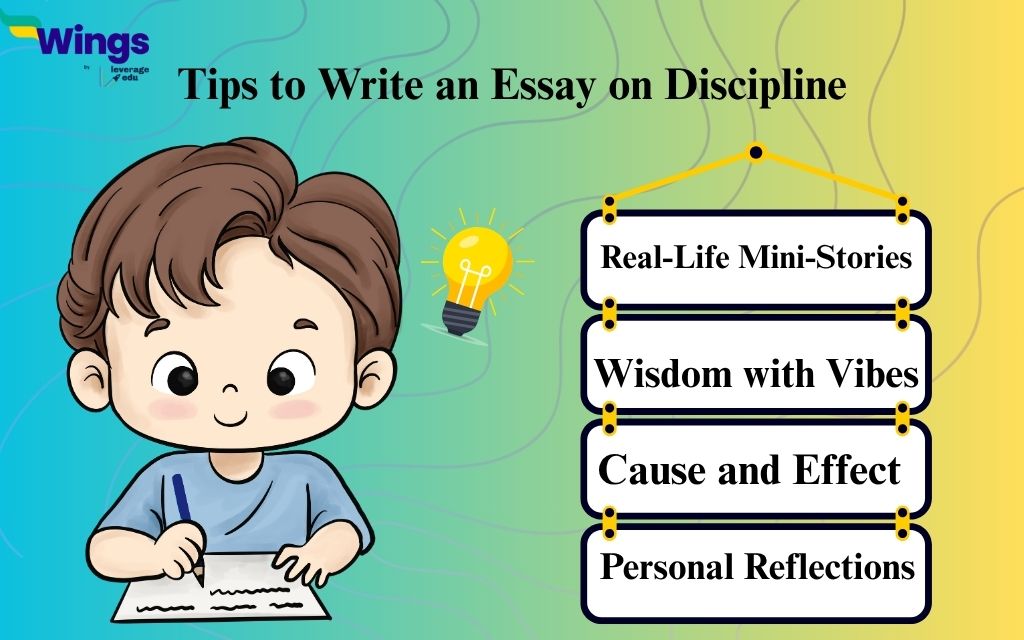
- Use Real-Life Mini-Stories
Instead of generic lines, add tiny examples from daily life. Like waking up on time to finish homework before school or helping a friend stay focused during group studies. Real examples make your essay relatable. - Mix Ancient Wisdom with Modern Vibes
Sprinkle quotes or ideas from famous thinkers like Plato or Epictetus and mix them with modern motivational sayings. It shows understanding and keeps the essay fresh. - Show Cause and Effect
Don’t just say “Discipline is important.” Show how it changes results. For example, “Discipline in studying helps me finish lessons faster and reduces exam stress.” This makes your points powerful and believable. - Add Tiny Personal Reflections
A short reflection like “I feel calmer when I plan my day” makes the essay unique. Teachers notice it because it shows your personal understanding, not just textbook lines.
Also Read: Essay on Cyberbullying: Short and Long Essays for Students
In conclusion, this Essay on Discipline highlights that true discipline is far more than mere rule following; it is the cornerstone of self-mastery, consistent effort, and lasting achievement. From building strong study habits and resisting distractions in student life to fostering resilience, time management, and personal growth in adulthood, discipline transforms potential into real success. Whether practicing self-discipline or guided discipline, embracing it daily empowers every individual to overcome challenges, reach goals, and lead a purposeful, balanced life. As students cultivate discipline today, they invest in a future filled with confidence, accomplishment, and freedom, the ultimate reward of a disciplined mind and character.
FAQs
Ans: A discipline short essay is a brief piece of writing that explains the meaning, importance, and benefits of discipline. It usually covers the main points in simple language, making it easy for students to understand and memorize for exams or assignments.
Ans: A 200-word essay on discipline provides a slightly detailed explanation of its meaning, types, and significance. It highlights how discipline helps students stay organized, develop good habits, focus on studies, and achieve academic and personal success.
Ans: Discipline is important because it teaches self-control, consistency, and responsibility. A 150-word essay emphasizes how following rules, maintaining routines, and practicing self-discipline help students manage time, reduce stress, and perform better in school and exams.
Relatable Read
Discipline is more than rules or homework schedules. It’s the habit that trains your brain, builds good routines, and turns small daily actions into big achievements. From waking up on time to finishing assignments, from handling failures calmly to staying focused on goals, discipline shapes students into confident, responsible, and successful individuals. Practicing it today means you’re setting yourself up for wins tomorrow. For more information on such informative essay topics, visit our Essay Writing page and follow Leverage Edu.

 60,000+ students trusted us with their dreams. Take the first step today!