

 One app for all your study abroad needs

















Article Summary
- Aristotle, the ancient Greek philosopher born in 384 BC, is universally recognised as the Father of Zoology, pioneering the systematic scientific study of animals through direct observation, dissections, and species classification into 8 groups covering nearly 500 species.
- His seminal work Historia Animalium established zoology’s foundational framework by organising species, detailing physical features, behaviours, and habitats, and introducing classification principles that remain relevant in modern zoology today.
- Aristotle’s key contributions include the Theory of Epigenesis and the Scala Naturae (Ladder of Life) — an 11-level biological hierarchy ranking organisms by complexity, with plants at the base and humans at the pinnacle, fundamentally shaping biological science for centuries.
The father of Zoology is Aristotle. Zoology has a deep-rooted history that dates back to the ancient civilisations of Rome and Greece. Hailing from 384 BC, Aristotle was a Greek philosopher whose scholarly endeavours covered topics like Physics, Politics, Metaphysics and Ethics. Nonetheless, his important contributions to biology, particularly in zoology, are highly respected. Zoology is a branch that deals with the study of anatomy, physiology, life’s evolution and behaviour. Let us get to know more about the father of Zoology.
Aristotle: The Father of Zoology
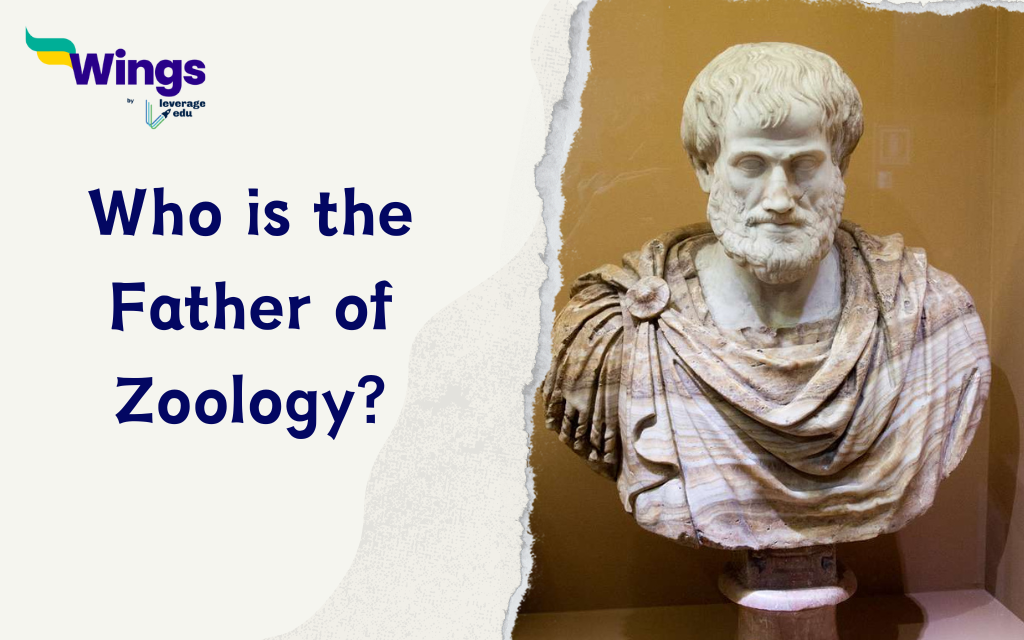
Aristotle is an ancient Greek thinker who is universally accepted as the father of Zoology.
| Father of Zoology Highlights | |
| Name | Aristotle, an ancient Greek philosopher |
| Known for | Laying the pillar for the scientific study of animals |
| Contributions | Developed the concept of Scala Naturae Studied anatomy, behaviour, and habitats Categorised and described various species |
In his seminal work, “Historia Animalium,” he established the groundwork for the scientific examination of animals by organising species, detailing their physical features, and by actions, living environments, and introducing important principles that remain pertinent in the field of zoology to this day.
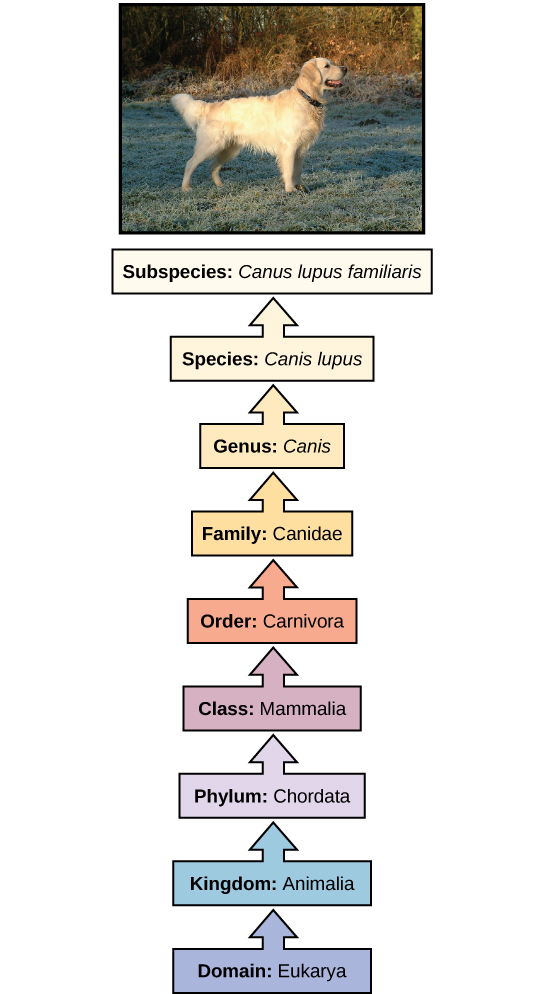
Aristotle’s method of investigating animals was methodical and based on observation. He meticulously observed creatures, performed dissections to comprehend their internal structures, and sorted them according to their behaviours and physical similarities and variances. This became the initial recorded document of systematic categorisation in the field of biology.
Also Read: B.Sc. Zoology: Complete Guide to Courses, Syllabus & Careers
Timeline of Zoology
The development of Zoology was a slow process, but a significant one. The timeline of the advancement can be seen as:
| Year | Era | Description |
| 384-322 BC | Aristotle’s Era | Classifies animals on the basis of their physiological and behavioural traits |
| 371-287 BC | Theophratus’ Era | Classifies animals based on their physiological and behavioural traits |
| 23-79 AD | Pliny’s Elder Era | His work on animals included more information about animal behaviour |
| 13th Century | Albertus Magnus’ Era | He worked on the anatomy and behaviour of the animal |
| 16th Century | Modern Zoology Era Birth | Detailed illustrations came into effect with pictures and a systematic study |
| 18th Century | Carl Linnaeus’ Era | He studied the diversity of animal life |
| 19th Century | Charles Darwin’s Era | Different fields of zoology were developed, like Endocrinology, Ethology, and Ecology |
| 20th Century | Modern Zoology | Zoologists have used a wide range of technologies and have developed Animal anatomy, genetics, physiology, ecology and behaviour |
| 21st Century | Current Zoology | Zoologists have used a wide range of technologies and have developed animal anatomy, genetics, physiology, ecology and behaviour |
Treatise on Zoology
Some of the works of Aristotle are the earliest systematic studies regarding animals. His work had detailed information about various classification systems, observations, etc. Here are some of the treatises he developed in Zoology.
| Treatise | Description |
| The Parts of Animals | Explored the structure of animals, and analysed and highlighted the differences and similarities in their organs and their unique roles among various species |
| The History of Animals | Further categorise animals into various categories like actions, functions and living environment |
| The Progression of Animals | Investigates the evolution and expansion of creatures, examining the life stages of various types |
| On Sense and Sensible Objects | Explored the structure of animals, analysed, and highlighted the differences and similarities in their organs and their unique roles among various species |
| The Movement of Animals | Understanding the ways different kinds of animals navigate and engage with their surroundings |
| On Respiration | Investigates how animals breathe, covering the various respiratory systems found in different types of species |
| On Memory and Recollection | Examines the idea of memory in animals, covering how animals retain and retrieve data |
| On Dreams and Prophecy in Sleep | Experimented with the occurrence of dreams in animals and their potential interpretations |
| On Sleep and Waking | Experimented with the occurrence of dreams in animals and their potential interpretations. |
| On Life and Death | Examines the ideas of existence and mortality in creatures, covering the life functions of different kinds of animals |
Also Read: Branches of Zoology: Specialisations, Programs & More
Contributions by the Father of Zoology
Aristotle’s contributions to the field of Zoology are vast and diverse. Among his notable achievements and findings are:
1. Categorisation of Animal Species: Aristotle was the first scholar to attempt the organisation of animals into groups based on their behaviours and physiological similarities and differences.
2. Investigation of Animal Behaviour and Physiology: Aristotle’s zoological studies extended beyond the external features of animals. He also conducted dissections to explore their internal anatomy and physiology. He noted the variations in organ structures and their functions across different species.
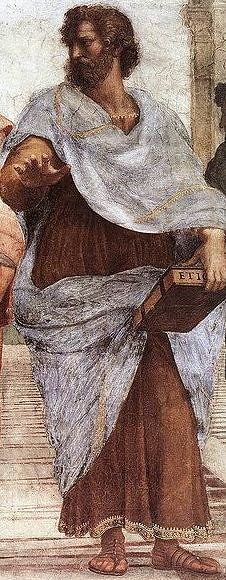
3. Theory of Epigenesis: The father of zoology also introduced the theory of Epigenesis, suggesting that organs developed in a specific sequence, in contrast to the common belief that all organs were present at birth and merely grew in size. This theory was based on his observations of bird embryos.
4. The Ladder of Life: He introduced the ‘Ladder of Life,’ which is a hierarchy where animals were classified according to their function and complexity, with complex organisms occupying higher positions on the ladder and humanity at the pinnacle.
Did you know?
Aristotle is also known as the father of Political Science, Biology, Philosophy and Logic
This concept, also known as the Scala Naturae or Great Chain of Being, was a major contribution to the field of biology. Aristotle suggested 11 levels in this hierarchy, with plants at the base, lower animals in the middle, and higher animals and humans at the top.
Almost 500 species were recognised in the era of Aristotle. They were categorised into eight groups and were further subdivided into different groups.
FAQs
The father of botany is Theophrastus. He was an ancient Greek philosopher and a student of Aristotle. Theophrastus wrote important books like Enquiry into Plants and On the Causes of Plants.
The first zoologist is generally considered to be Aristotle. He studied animals in a systematic and scientific way and wrote detailed works like History of Animals, where he classified animals based on their characteristics and observed their behaviour.
The term zoology comes from two Greek words: zoion, meaning “animal”, and logos, meaning “study.” The scientific study of animals is known as zoology.
Relatable Reads
That is all about who is the father of Zoology. If you want to stay tuned to more content like this, then visit Leverage Edu!

 2,00,000+ students realized their study abroad dream with us. Take the first step today.