

 One app for all your study abroad needs













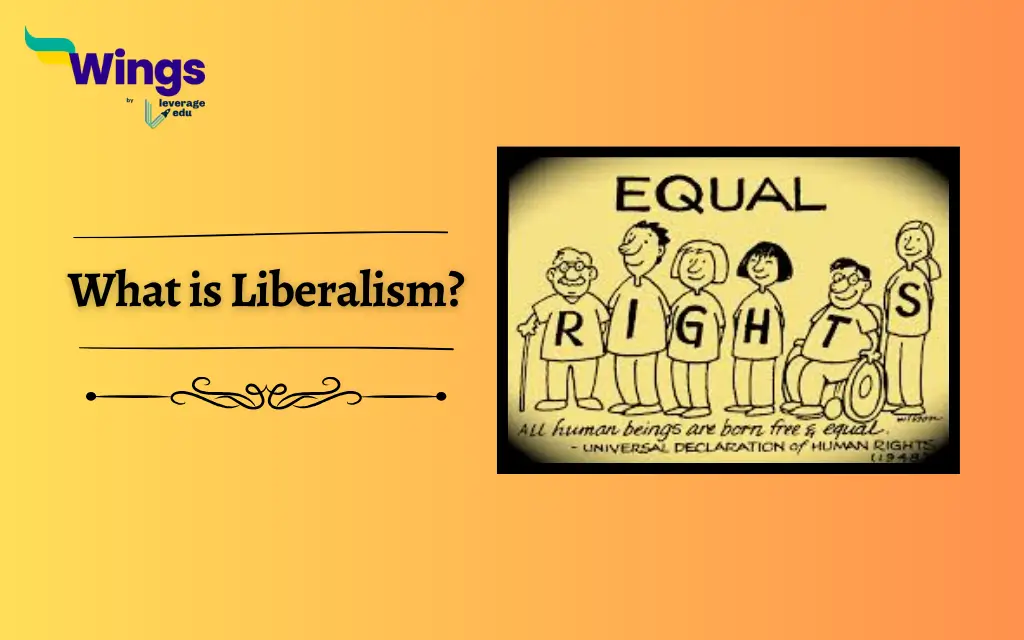
Liberalism is a foundational political and social philosophy that shapes modern democracies and promotes values like freedom, equality, and justice. Whether you’re new to the concept or seeking a deeper understanding, this guide explores liberalism’s core principles, history, theories, and real-world applications.
Dive in to learn how liberalism influences societies worldwide and why it matters today.
Contents
What Is Liberalism?
Liberalism is a political ideology centered on individual freedom, equality under the law, and limited government intervention. It emphasizes personal autonomy, free markets, and the protection of human rights, creating a framework where individuals can pursue their goals in a fair and inclusive society.
Think of liberalism as a vibrant marketplace of ideas, where diverse perspectives coexist and open dialogue drives progress. By fostering debate and collaboration, liberalism aims to build societies that balance individual liberties with collective well-being.
Must Read: What Is Nationalism? Definition, History, and Significance
What are the Core Values of Liberalism?
Liberalism is built on a set of principles that guide its approach to governance and society. These values ensure individuals have the freedom to thrive while promoting fairness and opportunity for all. Below are the key liberal values:
- Individual Rights: Liberalism champions personal autonomy, ensuring people can make choices without excessive government interference.
- Freedom of Speech and Expression: It protects the right to express ideas and opinions, fostering open dialogue.
- Social Justice: Liberalism seeks to level the playing field, ensuring equal opportunities for all, regardless of background.
- Welfare State: It supports safety nets, like healthcare or unemployment benefits, to help those in need, much like a community potluck where everyone contributes.
- Limited Government: Liberals advocate for minimal state intervention, allowing individuals and businesses to flourish.
- Free Market Economy: Liberalism promotes economic systems driven by supply and demand, encouraging competition and innovation.
These values create a framework for a society that balances personal freedom with collective responsibility.
The History of Liberalism
Origins in the Enlightenment
Liberalism emerged during the Enlightenment in the 17th and 18th centuries, a period of intellectual revolution. Thinkers like John Locke and Adam Smith laid the groundwork by emphasizing individual rights, reason, and free markets. Their ideas challenged monarchies and rigid social hierarchies, advocating for democratic governance.
Role in Democratic Revolutions
Liberalism played a pivotal role in shaping modern democracies. It influenced the American Revolution (1775–1783) and the French Revolution (1789–1799), which introduced concepts like constitutional governance and universal human rights. These movements helped establish democratic institutions that prioritize individual liberties and the rule of law.
Evolution Over Time
Over the centuries, liberalism has evolved to address new challenges, from industrialization to globalization. Today, it continues to shape debates on social justice, economic policies, and environmental sustainability, adapting to the needs of modern societies.
Also Read: Revolutions in India You Must Know!
Key Theories of Liberalism
Liberalism encompasses a variety of theories, each offering unique perspectives on how to achieve a free and just society. Below are the major liberal theories, their proponents, and their core ideas:
- Classical Liberalism (John Locke): Focuses on individual rights, limited government, and the rule of law. It emphasizes personal freedom and property rights.
- Social Liberalism (John Stuart Mill): Advocates for individual liberty alongside government intervention to reduce inequalities and promote social welfare.
- Neoliberalism (Friedrich Hayek, Milton Friedman): Prioritizes free-market capitalism, deregulation, and minimal government involvement in the economy.
- Utilitarianism (Jeremy Bentham): Promotes policies that maximize overall societal happiness and well-being.
- Libertarianism (Robert Nozick, Ayn Rand): Advocates for minimal government, strong property rights, and absolute individual liberty.
- Rawlsian Liberalism (John Rawls): Focuses on justice and fairness, using principles like the “veil of ignorance” to ensure equitable policies.
- Green Liberalism (Various): Combines liberal values with environmental sustainability, advocating for policies that protect the planet.
These theories highlight the diversity within liberalism, offering solutions to various societal challenges.
Liberalism in India
In India, liberalism found a champion in Raja Ram Mohan Roy, a 19th-century social reformer. Known as the “Father of the Indian Renaissance,” Roy advocated for liberal principles like freedom of speech, religious tolerance, and women’s rights. His efforts to abolish practices like sati (widow burning) and promote education laid the foundation for modern Indian liberalism.
Liberalism in the Indian Constitution
India’s Constitution, adopted in 1950, embodies liberal principles. Key features include:
- Fundamental Rights: Guarantees freedoms like speech, equality, and religion.
- Democracy ensures free and fair elections, empowering citizens.
- Secularism promotes religious neutrality, fostering inclusivity.
- Social Justice: Addresses inequalities through affirmative action and welfare programs.
- Judicial Independence: Upholds the rule of law through an impartial judiciary.
These elements reflect liberalism’s commitment to creating a just and inclusive society.
Also Read: Who Wrote the Constitution of India?
FAQs
The core principle is individual liberty, emphasizing personal freedom, equality, and the protection of rights.
John Locke is widely regarded as the father of liberal theory due to his emphasis on individual rights and limited government.
Liberalism supports progressive change, individual rights, and targeted government intervention, while conservatism prioritizes tradition, limited government, and maintaining established values.
Yes, liberalism adapts to cultural, historical, and political contexts, resulting in variations like social liberalism in Europe or secular liberalism in India.
India’s Constitution is a prime example, embedding liberal principles like democracy, secularism, and social justice to ensure equality and freedom for all citizens.
RELATED BLOGS
Lastly, we hope you liked our blog and gained an understanding of what Liberalism is. Moreover, you may even read more blogs and empower yourself with knowledge regarding Civics and Polity!

 60,000+ students trusted us with their dreams. Take the first step today!