

 One app for all your study abroad needs













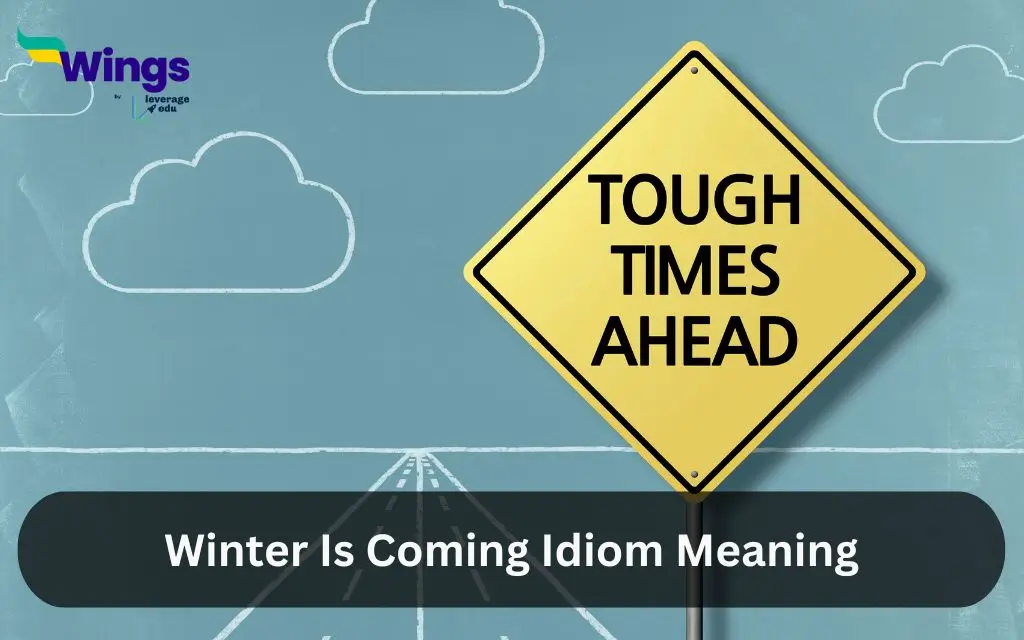
English idioms sound cool until you try using them and suddenly your sentence feels cooked. The Winter Is Coming Idiom is one of those phrases students hear everywhere but hesitate to use because the meaning feels fried. It pops up in exams, essays and daily conversations, yet no one explains it properly. This blog can fixe that. You will learn what the Winter Is Coming idiom actually means, when it works, when it does not, and how to use it without losing your last brain cell. No grammar trauma FR.
This Blog Includes:
- What Is the Meaning of “Winter Is Coming” Idiom?
- How To You Use the “Winter Is Coming” Idiom Without Embarrassing Yourself?
- “Winter Is Coming” in Examples You’d Actually Say
- Similar Idioms That Mean the Same Thing But Hit Different
- Quick Practice to See If You Actually Get the “Winter Is Coming” Idiom
- FAQs
What Is the Meaning of “Winter Is Coming” Idiom?
The “Winter Is Coming” idiom means that difficult times or serious challenges are approaching. It is used as a warning to stay alert and prepare for what may come next. The phrase does not usually talk about the weather. It talks about life situations where things may soon become tough.
The origin of this idiom comes from older societies where winter was a dangerous season. Food became limited, travel was hard and survival needed planning. Because of this, winter slowly became a symbol of struggle, hardship, and caution. People used the idea of winter to remind others to prepare early.
In modern English, the idiom is often used in academic writing, speeches and conversations to signal future pressure. Students may use it to talk about exams, deadlines or competitive situations. The phrase became more popular through pop culture but its meaning stays serious and practical. It reminds people to be prepared, not scared.
How To You Use the “Winter Is Coming” Idiom Without Embarrassing Yourself?
You use the “Winter Is Coming” idiom when you want to warn someone about a difficult phase that is likely to happen in the future. It works best when the situation clearly involves pressure, preparation or upcoming challenges. The idiom fits naturally in conversations about exams, work deadlines, competition, or any serious responsibility.
Use this idiom in a figurative sense, not a literal one. Saying it before an important exam season, a tough project, or a stressful event sounds correct and meaningful. It should signal awareness and readiness, not drama.
Avoid using the idiom in very emotional or sensitive situations. It also does not belong in casual jokes or happy moments. When used calmly and at the right time, the phrase sounds thoughtful and mature rather than awkward.
Don’t Miss This Seriously: Understanding and Using Idioms in Context: Meaning & Tips
“Winter Is Coming” in Examples You’d Actually Say
The “Winter Is Coming” idiom works best when the situation involves preparation for pressure or challenges ahead. It sounds natural when the context is clear and serious. Below are examples from different real-life situations where students and young adults actually use this idiom correctly.
Academic context
When exams or deadlines are close, the idiom fits well.
Example: Final exams start next month, so winter is coming and I need to revise daily.
Here, winter represents academic pressure that is approaching.
College and career context
The idiom also works when talking about competition or workload.
Example: Placements begin soon. Winter is coming, and only the prepared will survive the process.
This shows awareness of upcoming stress and the need to plan.
Personal life context
It can describe difficult phases in life that need mental preparation.
Example: Moving to a new city will not be easy. Winter is coming, but I am ready for it.
The phrase highlights readiness, not fear.
General warning context
The idiom fits when advising someone to stay alert.
Example: The company is facing losses. Winter is coming, so we should save money now.
Here, winter symbolises financial difficulty.
You’ll Regret Skipping This: If Wishes Were Horses, Beggars Might Ride Idiom Meaning and Examples
Similar Idioms That Mean the Same Thing But Hit Different
The “Winter Is Coming” idiom is not the only way to warn about tough times ahead. English has many idioms that carry a similar meaning but feel slightly different in tone and use. Knowing these helps you choose the right expression for the right situation.
| Idiom | Meaning | Usage |
| Brace yourself | Prepare mentally or emotionally for something difficult | Casual conversations, spoken English, or social media posts |
| The calm before the storm | A peaceful period before trouble begins | Describing upcoming challenges after a quiet or easy phase |
| Dark days are ahead | Future hardship or struggle | Formal writing, academic discussions, or serious advice |
| Hard times are coming | Difficult situations approaching | Academic, professional, or general real-life context |
| Trouble is brewing | Problems are slowly developing | Informal conversation, storytelling, or casual writing |
Quick Practice to See If You Actually Get the “Winter Is Coming” Idiom
Instructions: Read each situation and pick the sentence that correctly uses the idiom “Winter Is Coming”. Only one is correct per scenario.
Q1: Exams start next week, and you have barely revised.
A) Winter is coming, so let’s take a vacation.
B) Winter is coming, I better start studying.
C) Winter is coming, and the sun feels nice today.
Q2: Your company warned about upcoming budget cuts.
A) Winter is coming, we need to save money.
B) Winter is coming, time for a party.
C) Winter is coming, let’s ignore it.
Q3: Your friend is about to face a tough internship.
A) Winter is coming, ice cream solves it.
B) Winter is coming, everything will be easy.
C) Winter is coming, prepare yourself.
Q4: Literal snowstorm is predicted tomorrow.
A) Winter is coming, grab your coat.
B) Winter is coming, better finish homework.
C) Winter is coming, stock up on memes.
Q5: You notice a challenging project is about to start.
A) Winter is coming, let’s chill.
B) Winter is coming, let’s plan ahead.
C) Winter is coming, and it’s hot outside.
Answer Key:
- Q1: B
- Q2: A
- Q3: C
- Q4: A (literal use)
- Q5: B
You’ll Want to Bookmark This One: Too Many Cooks Spoil the Broth Idiom Meaning, Synonyms
The “Winter Is Coming” idiom is more than a pop culture line, it is a powerful way to warn about challenges ahead. You now know its meaning, origin, and how to use it in real-life situations, from exams to projects and daily conversations. Remember, the key is using it figuratively for situations that need preparation, not literally for the weather.
FAQs
Ans: A common idiom linked to the winter season is “winter is coming”, which does not always mean the actual season. It usually acts as a warning that tough times, challenges, or difficult situations may arrive soon. Writers and speakers use it to prepare people mentally for what lies ahead.
Ans: The phrase “winter is coming” originally meant preparing for harsh conditions ahead, especially in societies where winter symbolised scarcity and struggle. Over time, it evolved into an idiom that warns about future problems or hardships. Today, it is mostly used in a figurative sense.
Ans: The phrase “winter has come” suggests that the difficult phase people were warned about has already started. Unlike “winter is coming,” which looks to the future, this phrase focuses on the present situation. It often implies that challenges are no longer avoidable.
Ans: No, “winter is coming” can be used both literally and as an idiom. Literally, it refers to the approaching winter season. Idiomatically, it warns about upcoming difficulties, pressure, or problems, depending on the context.
Ans: A well-known saying about winter is “winter is coming,” popularised by literature and pop culture. In idiomatic use, it symbolises preparation, caution, and awareness of future challenges. This makes it powerful in both academic and everyday language.
Hand-Picked Reads Fot You
This was everything you needed to finally master the Winter Is Coming Idiom. You now know what it means, how to use it, where it fits and which similar idioms carry the same vibe. Keep learning and stay connected with Learn English on Leverage Edu for more helpful and student-friendly blogs. And if this helped you, don’t forget to share, rate, and drop a comment. Your support helps more students find the good stuff.

 60,000+ students trusted us with their dreams. Take the first step today!