

 One app for all your study abroad needs













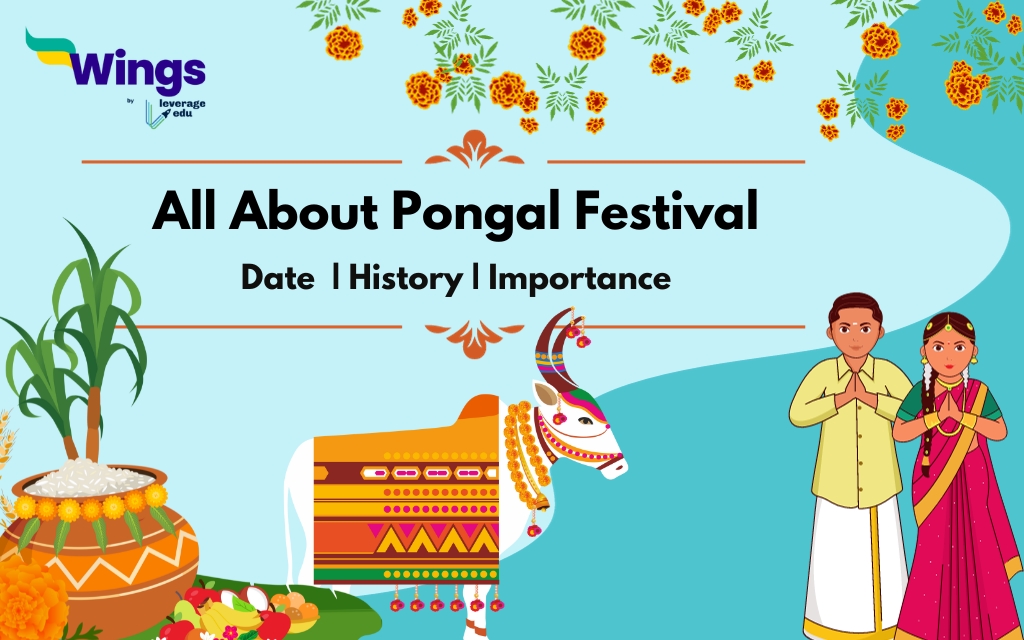
Pongal is one of the most significant harvest festivals of India, celebrated with great devotion, gratitude, and cultural pride, especially in Tamil Nadu. Marking the beginning of the Tamil month Thai, Pongal Festival 2026 symbolises prosperity, abundance, and thanksgiving to nature for a successful harvest. The festival derives its name from the Tamil word “Ponga”, meaning to boil over, which represents overflowing happiness and wealth. Observed over four days, Bhogi, Thai Pongal, Mattu Pongal, and Kaanum Pongal, the celebration beautifully blends agricultural traditions, rituals dedicated to the Sun God (Surya), and respect for cattle that support farming life.
From preparing the traditional sweet dish Pongal to decorating homes with colourful kolams, every ritual reflects harmony between humans and nature. In this blog, we provide a complete and updated guide on Pongal Festival 2026, covering its date, historical background, cultural importance, and why it continues to hold deep relevance in modern times.
Contents
History of the Pongal Festival in English
The Pongal Festival has a rich history that dates back over 2,000 years and is deeply connected to ancient Tamil agricultural traditions. It began as a harvest thanksgiving festival, where farmers expressed gratitude to nature, the Sun God (Surya), rain, land, and cattle for a successful crop season. Agriculture formed the foundation of early Tamil civilisation, and Pongal marked the joyful completion of the harvest, especially of rice, sugarcane, and turmeric.
References to Pongal can be traced to classical Tamil Sangam literature, which mentions harvest rituals, sun worship, and community celebrations. Over time, these customs evolved into a four-day festival with distinct rituals, each day highlighting an important aspect of agrarian life. The symbolic act of boiling newly harvested rice with milk and jaggery represents prosperity, abundance, and divine blessings.
Under ancient Tamil dynasties such as the Cholas, Pandyas, and Cheras, Pongal received royal support and became a major cultural festival. Despite centuries of social and cultural changes, the essence of Pongal, gratitude, sustainability, and respect for nature, has remained unchanged and continues to be celebrated with the same devotion today.
- Pongal originated as a harvest thanksgiving festival in ancient Tamil Nadu.
- The festival is closely associated with sun worship and agricultural cycles.
- Mentions of Pongal and harvest rituals appear in Sangam-era Tamil literature.
- The tradition of cooking Pongal symbolises abundance and prosperity.
- Ancient Tamil kings promoted Pongal as a major community celebration.
- The festival evolved into a four-day observance reflecting farming life and values.
- Pongal continues to preserve its historical roots while adapting to modern times.
Also Read: National Bird Day 2026
Why is Pongal Celebrated?
Pongal is celebrated to express gratitude to nature for a successful harvest and to thank the Sun God (Surya), rain, land, and cattle for supporting agricultural life. It marks the end of the harvest season in Tamil Nadu and the beginning of the Tamil month Thai, which is considered an auspicious period for new beginnings. The festival symbolises prosperity, renewal, and harmony between humans and nature.
Traditionally, Pongal is observed to honour farmers and their hard work, as agriculture has been the backbone of Tamil culture for centuries. The ritual of cooking freshly harvested rice with milk and jaggery and allowing it to boil over signifies abundance, wealth, and overflowing happiness. Each day of Pongal has a purpose—Bhogi focuses on renewal, Thai Pongal is dedicated to the Sun God, Mattu Pongal honours cattle, and Kaanum Pongal strengthens family and social bonds.
- To thank the Sun God (Surya) for energy and warmth essential for crops
- To express gratitude to nature for a successful harvest
- To honour farmers and agricultural traditions
- To celebrate abundance, prosperity, and new beginnings
- To recognise the role of cattle in farming life
- To promote harmony between humans, animals, and nature
- To preserve and pass on Tamil cultural heritage
Also Read: World Introvert Day
What are the 4 Days of Pongal in 2026?
Pongal is celebrated over four auspicious days in January 2026, each day holding its own cultural, agricultural, and spiritual importance. These four days together express gratitude to nature, the Sun God, cattle, and community life.
1. Bhogi Pongal – Tuesday, 13 January 2026
Bhogi Pongal marks the first day of the festival and is a day of renewal and cleansing. On this day, people clean their homes, discard old and unwanted items, and light bonfires to symbolise leaving behind the past and welcoming a fresh start. It’s dedicated to Lord Indra, the god of rain, who is important for agricultural prosperity.
2. Thai Pongal (Surya Pongal) – Wednesday, 14 January 2026
Thai Pongal is the main and most important day of the Pongal celebrations. It is dedicated to the Sun God (Surya) and the harvest. Families prepare the traditional Pongal dish from freshly harvested rice, milk, and jaggery—letting it boil over as a symbol of abundance, prosperity, and overflowing blessings. This day also coincides with Makar Sankranti, the solar transition festival.
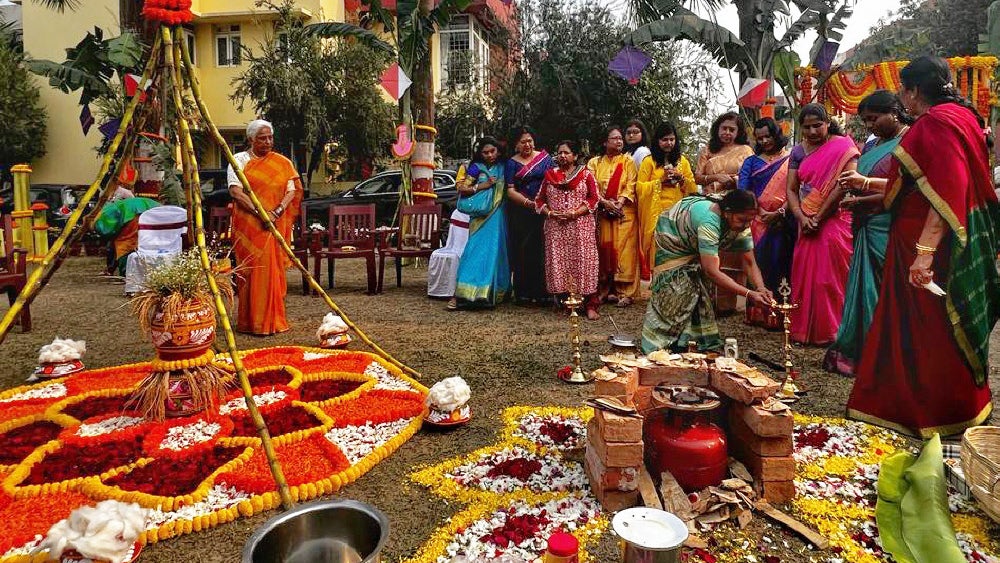
3. Mattu Pongal – Thursday, 15 January 2026
Mattu Pongal honours cattle, which are vital partners in farming life. On this day, cows and bulls are bathed, adorned with colourful garlands and bells, and offered special feed as a gesture of gratitude for their hard work in the fields.
4. Kaanum Pongal – Friday, 16 January 2026
Kaanum Pongal is a day for family, friends, and social bonding. People visit relatives, meet with loved ones, go for outings, and offer prayers for happiness, health, and prosperity. It is a joyful conclusion to the four-day harvest festival.
Also Read: Earth’s Rotation Day 2026
What is the Importance of the Pongal Festival?
The Pongal Festival holds deep cultural, agricultural, and spiritual importance in India, especially in Tamil Nadu. It is primarily a harvest thanksgiving festival, celebrated to express gratitude to the Sun God, nature, farmers, and cattle for a successful agricultural season. Pongal reflects the strong bond between humans and nature and highlights the value of sustainable living.
One of the key aspects of Pongal is Sun worship, as the Sun is the main source of energy required for crop growth. The festival also honours farmers and their hard work, recognising agriculture as the foundation of life and economy. Through rituals like cooking the Pongal dish, decorating homes with kolams, and worshipping cattle on Mattu Pongal, the festival promotes respect for natural resources and animals.
Beyond agriculture, Pongal plays an important role in preserving Tamil culture and traditions. It brings families together, strengthens social bonds, and encourages values such as gratitude, unity, and sharing. In modern times, Pongal continues to remain relevant by reminding people of the importance of nature, community, and cultural heritage.
- Celebrates the successful completion of the harvest season
- Expresses gratitude to the Sun God (Surya) for energy and warmth
- Thanks nature for rainfall, fertile land, and agricultural abundance
- Honours farmers and their hard work
- Recognises the vital role of cattle in farming life
- Promotes harmony between humans, animals, and nature
- Preserves and promotes Tamil culture and traditions
- Encourages values of gratitude, sharing, and togetherness
- Strengthens family and community bonding
- Symbolises prosperity, renewal, and new beginnings
5 Pongal Wishes for Family and Friends
Here are 5 Pongal wishes that you can share with your friends and family.
1. May the sun radiate an abundance of peace, prosperity, and happiness in your life.
2. May the festival of harvest fill your life with divine blessings, sweetness, and the best time of your life.
3. Let the warmth of Pongal and the blessings of the deity fill your home with propensity and positive vibes all year round.
4. On this auspicious festival, may god bless you and your family with bountiful blessings, peace, good health, and happiness.
5. May good luck enter your life and fill it with an abundance of success to make success touch your feet. Happy Pongal my dear family.
Also Read: International Day of Peace
FAQs
Pongal is celebrated to thank the Sun God, nature, farmers, and cattle for a successful harvest and agricultural prosperity. It marks the beginning of the Tamil month Thai and symbolises gratitude, abundance, and new beginnings, highlighting the close relationship between humans and nature.
The festival of Pongal is mainly celebrated in Tamil Nadu, where it is one of the most important harvest festivals and marks the beginning of the Tamil month Thai. It is also observed by Tamil communities in parts of Puducherry, Andhra Pradesh, Karnataka, and Kerala, as well as by Tamils living in other countries, but Tamil Nadu remains the primary state associated with Pongal celebrations.
Pongal is celebrated mainly by Hindus, especially by the Tamil Hindu community in India and around the world. It is a Hindu harvest festival dedicated to the Sun God (Surya), nature, farmers, and cattle, and its rituals are deeply rooted in Hindu traditions and the Tamil Hindu calendar. Although Pongal has religious significance, it is also widely observed as a cultural festival, bringing together people across communities to celebrate gratitude, prosperity, and togetherness.
Related Blogs
| Lohri Festival 2026 | Happy Lohri wishes |
| National Youth Day | World Hindi Day |
| Pravasi Bharatiya Divas | World Civil Defence Day |
This was all about the Pongal festival. Do let us know how you celebrate the festival of Pongal in the comment section below. For more such articles, make sure to check the trending events page of Leverage Edu.

 60,000+ students trusted us with their dreams. Take the first step today!