

 One app for all your study abroad needs











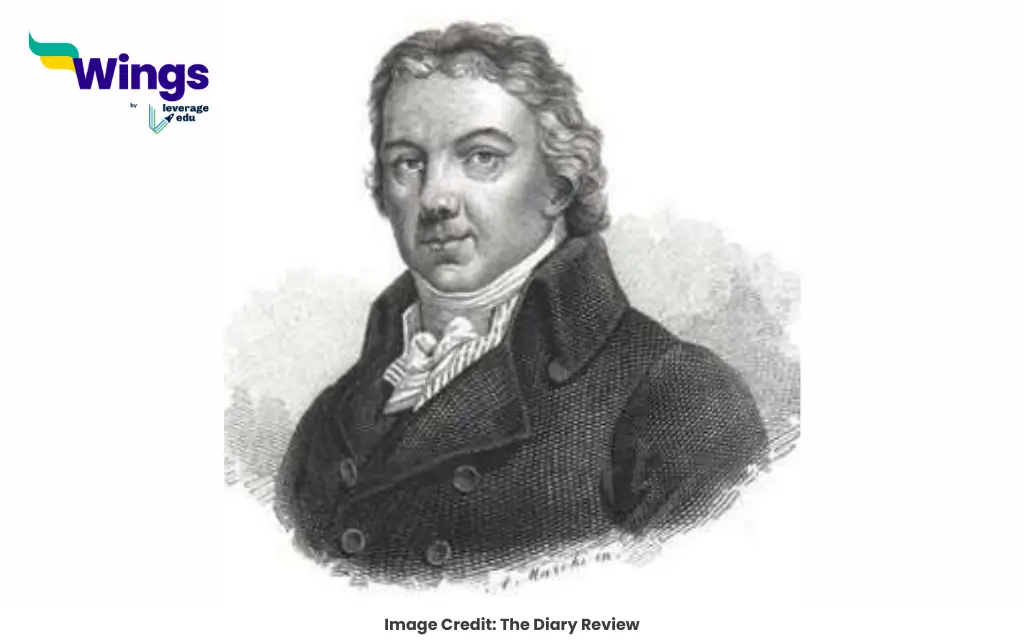
The title “Father of Immunology” is attributed to a scientist whose work laid the foundation for the field of immunology — the study of the immune system and how the body fights diseases. Let’s analyze each of the given options to determine who truly deserves this title.
Option A: Robert Koch
Robert Koch was a German physician and microbiologist. He is best known for his work in identifying the bacteria that cause tuberculosis, cholera, and anthrax. He also developed Koch’s postulates, a series of principles linking specific microorganisms to specific diseases. While Koch made significant contributions to microbiology and bacteriology, his work focused more on identifying pathogens than on understanding or developing immunity.
Option B: Ferdinand Cohn
Ferdinand Cohn was a German biologist who made important contributions to bacteriology. He is considered one of the founders of modern bacteriology due to his classification of bacteria into groups and his studies on bacterial spores. However, Cohn did not work on immunity or the immune system directly, so he is not considered the father of immunology.
Option C: Louis Pasteur
Louis Pasteur, a French chemist and microbiologist, made pioneering contributions to immunology. He developed the first laboratory-produced vaccines for diseases like anthrax and rabies. Pasteur’s work on the germ theory of disease and his experiments with weakened pathogens formed the basis for understanding how vaccines stimulate immunity. He played a major role in proving that microorganisms cause disease and that immunity could be artificially induced. While he is one of the founding figures in immunology, he is often referred to as the Father of Microbiology or the Father of Vaccination, rather than immunology.
Option D: Edward Jenner
Edward Jenner, an English physician, is widely regarded as the Father of Immunology. In 1796, he performed the first successful vaccination by using material from cowpox lesions to protect a young boy from smallpox. This groundbreaking discovery laid the foundation for the development of modern vaccines and the scientific study of the immune system. Jenner’s work was revolutionary at a time when the concept of immunity was not well understood, making him a true pioneer in the field.
In conclusion, Edward Jenner’s groundbreaking work on smallpox vaccination laid the foundation for modern immunology. His contributions have saved millions of lives and earned him the title “Father of Immunology.”
Common Doubts of Biology


 60,000+ students trusted us with their dreams. Take the first step today!