

 One app for all your study abroad needs















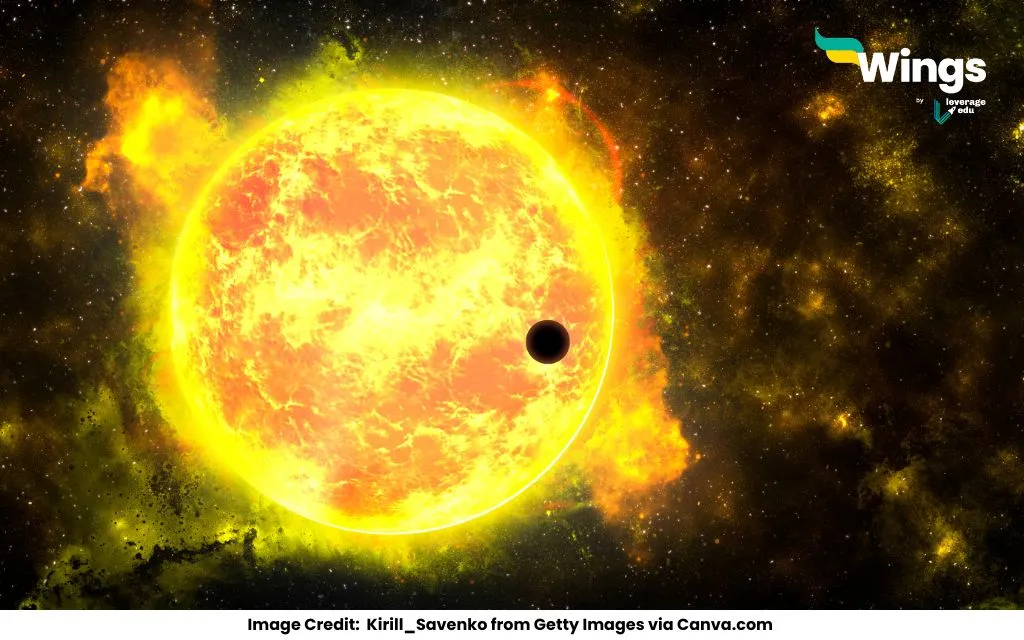
Answer: An incandescent body is an object that emits light as a result of being heated to a high temperature. When a body becomes sufficiently hot, it glows, producing visible light due to thermal radiation.
Examples of incandescent bodies are the sun, electric bulbs, molten metals, and lava. These bodies radiate light across a broad spectrum, primarily in the visible range.
Complete Answer:
Here is an explanation to the question: What is an incandescent body? Give examples.
An incandescent body is an object that emits light due to being heated to a high temperature, causing it to glow. This phenomenon is based on thermal radiation, where the atoms and molecules of a heated object vibrate intensely, producing electromagnetic radiation that includes visible light. The color and intensity of the emitted light depend on the temperature of the body, following Planck’s law of blackbody radiation.
At lower temperatures, an incandescent body emits mostly infrared radiation, which is not visible to the human eye. As the temperature rises, the peak wavelength of the emitted radiation shifts towards the visible spectrum, and the object appears red, then orange, yellow, white, and eventually blue as the temperature continues to increase. This change is described by Wien’s displacement law, which states that the wavelength at which the radiation is most intense is inversely proportional to the temperature.
Common examples of incandescent bodies include the sun, which radiates across a wide spectrum due to its extremely high temperature, and incandescent light bulbs, where a tungsten filament glows brightly when electric current passes through it, heating it to around 2500-3000 K.
Common Physics Doubts:


 60,000+ students trusted us with their dreams. Take the first step today!