

 One app for all your study abroad needs











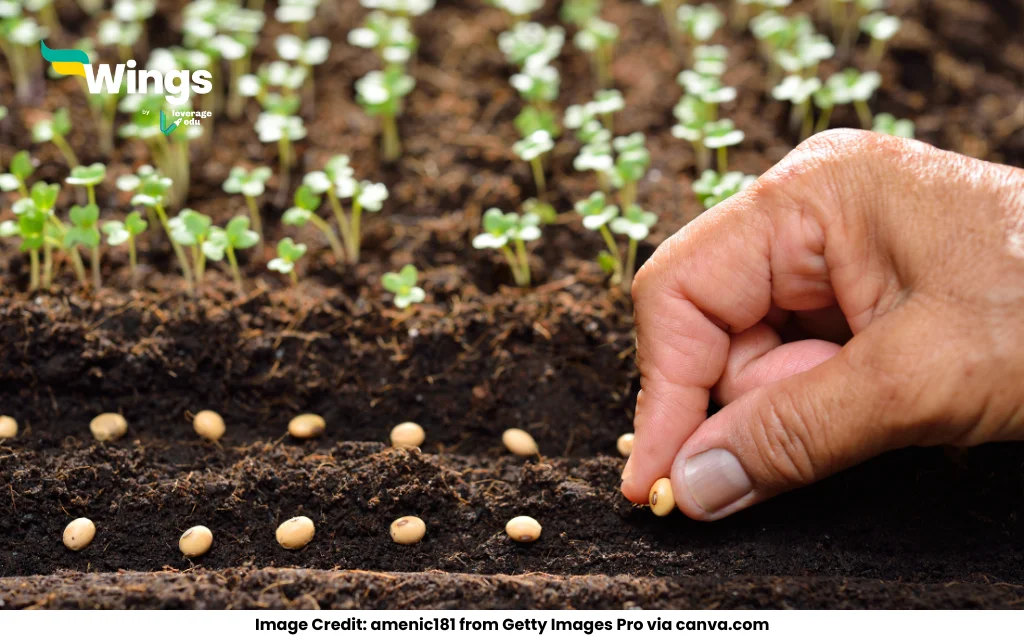
Answer: Seasonal plants are those that grow, flower, and complete their life cycle in a specific season like summer, winter, or spring. These plants need the right amount of sunlight, temperature, and weather to grow properly, and they may not survive if grown in the wrong season.
Some important seasonal medicinal plants include peppermint, which grows in spring and helps with digestion and cold; fennel, which grows in late summer and is good for stomach problems; ginger, planted in spring and harvested in winter, used for cold and nausea; ginkgo, which grows in late spring and improves memory and blood flow; and chamomile, which grows in cold seasons and is helpful for sleep, anxiety, and digestion.
Complete Answer:
Seasonal plants are those plants that grow, flower, and complete their life cycle during a specific season, such as summer, winter, spring, or monsoon. These plants respond to changes in temperature, sunlight (photoperiod), humidity, and rainfall. If they are grown in the wrong season, they may not grow properly, may not flower or produce seeds, and can even become weak or diseased.
For example, a plant meant to grow in winter will not survive in extreme heat. This is why understanding the seasonal cycle of a plant is important, especially for medicinal plants that are grown for health purposes.
Seasonal plants can be:
- Short-day plants (flower in short daylight, like in winter),
- Long-day plants (flower in long daylight, like in summer), or
- Day-neutral plants (flower regardless of day length).
Here are five important medicinal plants that grow best in specific seasons. These plants are widely used in herbal medicines and home remedies.
| Medicinal Plant | Best Season | Growing Conditions | Medicinal Uses | Note |
| Peppermint | Spring | Moist soil, partial sunlight | Aids digestion, relieves headaches, treats cold and cough | Spreads quickly through runners (horizontal stems) |
| Fennel | Late summer | Full sun or partial shade | Helps with gas, bloating, stomach pain; seeds used as mouth freshener | Grows tall with feathery leaves |
| Ginger | Planted: Spring–SummerHarvested: Winter | Warm, humid climate with shade | Treats nausea, cold; improves digestion and boosts immunity | Root is the useful part |
| Ginkgo | Late spring | Full sun to partial shade | Improves memory and blood circulation | One of the oldest living tree species; tolerates drought |
| Chamomile | Cold season (late winter to early spring) | Partial shade; also tolerates full sun | Used as tea to relieve sleep problems, anxiety, and stomach issues | Dried flowers are used to make calming herbal tea |
Common Biology Doubts:


 60,000+ students trusted us with their dreams. Take the first step today!