

 One app for all your study abroad needs











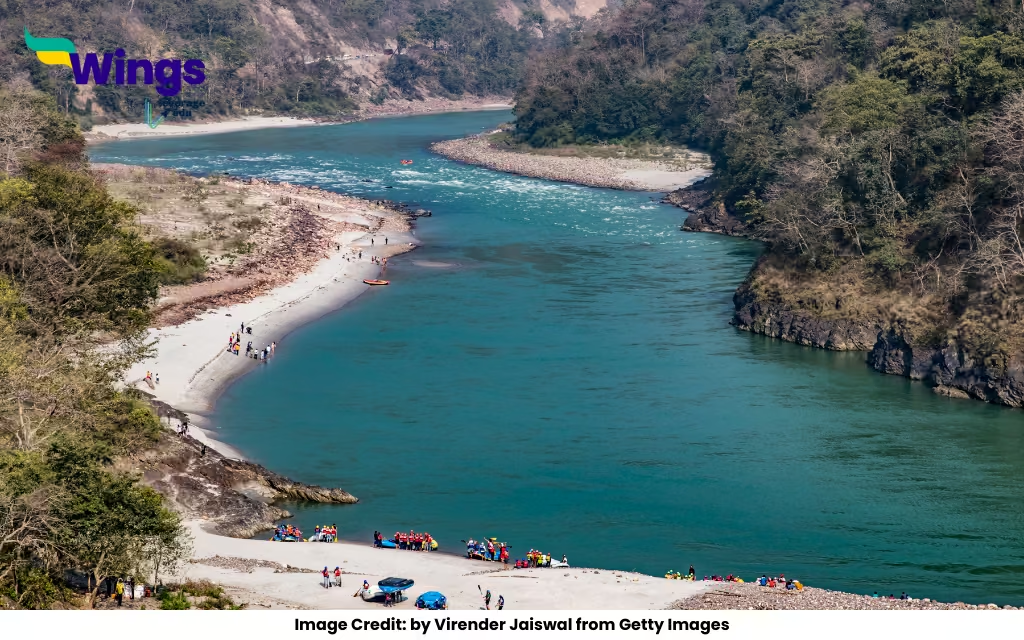
Correct Answer: b. Ganga
The Ganga, or Ganges, is not only the longest river in India but also one of the most sacred rivers in the country. It flows through the northern plains, covering thousands of kilometers and touching millions of lives. From providing water for agriculture to holding spiritual importance, the Ganga plays a huge role in India’s geography, economy, and culture.
Ganga is the Longest River in India
The Ganga River stretches for about 2,525 kilometers, making it the longest river within India. It originates from the Gangotri Glacier in Uttarakhand, specifically from a place called Gaumukh. From there, it flows through major states like Uttar Pradesh, Bihar, and West Bengal before emptying into the Bay of Bengal.
Along its path, the Ganga supports millions of people by providing water for drinking, farming, and industry. It flows through some of the most populated cities in India, such as Varanasi, Allahabad (now Prayagraj), and Kolkata. Its wide basin supports one of the most fertile and densely populated regions in the world.
Religious Importance Of The Ganga
The Ganga is considered sacred in Hinduism. People believe that taking a dip in the river can wash away their sins. Many pilgrims travel to cities like Haridwar, Rishikesh, and Varanasi to perform rituals, offer prayers, and take part in spiritual ceremonies by the riverbank.
Ganga is also associated with several mythological stories. One of the most famous legends is that of Bhagirath, a king who brought the river down from the heavens to purify the souls of his ancestors. This divine connection makes the river a symbol of purity and salvation in Indian culture.
Role Of Ganga In Indian Agriculture
The Ganga is essential for agriculture in northern India. Its water is used for irrigation across the fertile plains of Uttar Pradesh and Bihar. The river helps in growing crops like wheat, rice, sugarcane, and vegetables that feed a large part of the Indian population.
The Ganga basin is known for its rich soil, which makes farming highly productive. Without this river, agriculture in these states would struggle. That’s why many call the Ganga the lifeline of Indian farming. It’s not just a river; it’s the foundation of rural economy in many areas.
Major Tributaries Of The Ganga River
The Ganga has several tributaries that join it during its journey across India. Some of the main ones include the Yamuna, Ghaghara, Gandak, and Kosi. Among them, the Yamuna is one of the most significant, meeting the Ganga at Prayagraj, in a sacred spot called the Sangam.
These tributaries not only increase the volume of the river but also expand the reach of the Ganga basin. They help in draining rainwater from different parts of the country and contribute to the rich alluvial soil in the region, which benefits agriculture.
Ganga River Pollution And Challenges
Despite its importance, the Ganga faces serious pollution issues. Industrial waste, sewage, and plastic pollution have damaged the water quality over the years. Efforts like the Namami Gange mission have been launched to clean and restore the river’s health.
Pollution not only affects the river’s ecosystem but also the people who depend on it for their daily needs. Fish populations have declined, and people in some areas face waterborne diseases. Cleaning the Ganga is not just an environmental need, it’s a social responsibility.
Why Students Should Learn About The Ganga
Understanding the Ganga River is important for any student studying Indian geography or culture. It appears frequently in competitive exams and general knowledge quizzes. Knowing where it starts, where it flows, and why it’s so important can give you an edge in studies.
More than that, learning about the Ganga helps us realize how deeply connected our environment is with our everyday life. It teaches us about sustainability, heritage, and the importance of conserving our natural resources.
Major Cities Located Along The Ganga River
Several important Indian cities are located on the banks of the Ganga. Varanasi, one of the oldest living cities in the world, sits beside it and attracts spiritual seekers and tourists alike. Other major cities include Allahabad (Prayagraj), Patna, Kanpur, and Kolkata. These cities thrive because of the economic and cultural influence of the river.
The river also plays a central role in many historical events and stories. It’s mentioned in ancient texts like the Rigveda and the Mahabharata. Over time, these cities have built their identity and economy around the river, which continues to sustain them even today.
Quick Facts About The Ganga River
- The Ganga is the longest river in India
- It flows for about 2,525 kilometers
- Originates from Gangotri Glacier in Uttarakhand
- Empties into the Bay of Bengal
- Major cities along the Ganga include Varanasi, Prayagraj, and Kolkata
- Yamuna is one of its key tributaries
Summary
Question: Which is the Longest River in India?
Answer: Ganga is the Longest River in India. The Ganga is more than just a river. It’s a symbol of life, culture, and spirituality in India. From the mountains of Uttarakhand to the Bay of Bengal, it touches millions of lives every day. While we admire its length and beauty, it’s equally important to protect and preserve it for future generations.
Also Read:
Which of the Following Hill Stations do Not Experience Snowfall?
Where is ‘Dudhsagar Waterfall’ situated in India
The Nagarjuna Sagar Dam is located in Which State?
Which of the Following is the Highest Waterfall in India?
Who is Known as the ‘Father of the Nation’ in India?


 60,000+ students trusted us with their dreams. Take the first step today!