

 One app for all your study abroad needs











When we compare gases based on their mass, we consider their atomic or molecular weight. The lightest gas is the one that has the lowest atomic or molecular mass. Let’s analyse each of the given options:
A. Nitrogen (N₂)
Nitrogen is a diatomic gas with a molecular weight of approximately 28 grams per mole (14 × 2). It makes up about 78% of the Earth’s atmosphere. While nitrogen is lighter than oxygen, it is not the lightest gas among the options.
B. Helium (He)
Helium is a noble gas with an atomic weight of about 4 grams per mole. It is lighter than both nitrogen and oxygen, and due to its lightness and inert nature, it is commonly used in balloons and airships. However, it is still heavier than hydrogen.
C. Oxygen (O₂)
Oxygen is also a diatomic molecule with a molecular weight of around 32 grams per mole (16 × 2). This makes it heavier than both nitrogen and helium. While essential for life, it is clearly not the lightest gas.
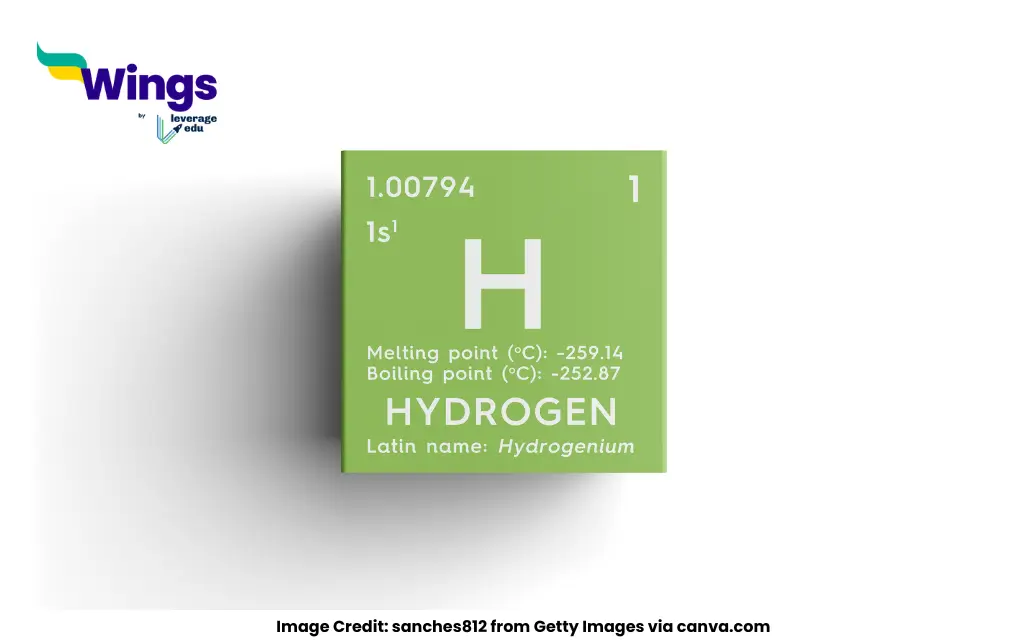
D. Hydrogen (H₂)
Hydrogen is the lightest and simplest element in the periodic table. It exists as a diatomic molecule (H₂) with a molecular weight of just 2 grams per mole (1 × 2). This makes hydrogen the lightest gas among all known gases. Because of its low density, hydrogen was historically used in airships, although it is flammable and poses safety risks.
Correct Answer: D. Hydrogen
By comparing the molecular weights of the gases listed, we can conclude that hydrogen is the lightest gas. This property makes it highly significant in scientific research, energy production, and space exploration. However, due to its flammability, it must be handled with care. Helium is the next lightest and is often used as a safer alternative where non-reactive and lighter-than-air gases are needed.
Common Doubts on Chemistry:


 60,000+ students trusted us with their dreams. Take the first step today!