

 One app for all your study abroad needs











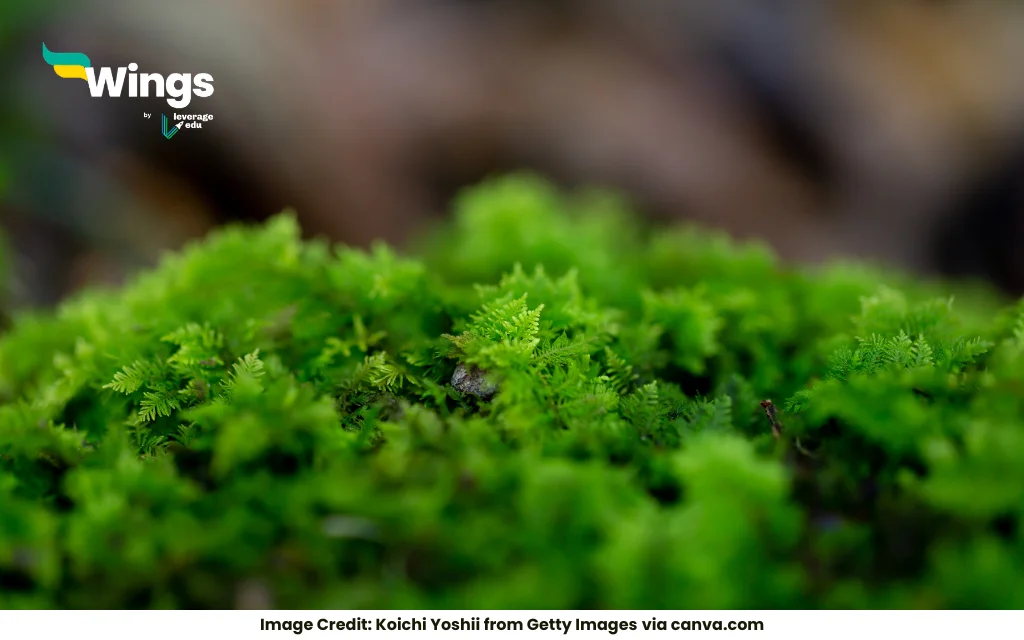
Answer: Thallus organisation refers to a simple plant body that is not divided into roots, stems, or leaves. It is found in lower organisms like algae and fungi. In this type of body structure, all functions like absorption, reproduction, and photosynthesis are carried out by the same part of the plant body. The thallus can be unicellular, filamentous, or sheet-like, and it does not have any specialised tissues. For example, the mycelium in fungi is a type of thallus.
Complete Answer:
Thallus organisation is seen in simple organisms like algae, fungi, lichens, and some bryophytes. In this type of body structure, the plant body is called a thallus, which is undifferentiated, meaning it does not have separate parts like true roots, stems, or leaves. The entire body performs all basic life functions such as absorbing water and nutrients, photosynthesis, and reproduction.
In fungi, this thallus is usually made up of thin, thread-like structures called hyphae, and the network of these hyphae is called mycelium. Sometimes, the whole thallus becomes a reproductive cell, and this condition is called holocarpic. In algae, the thallus can be unicellular, like in Chlamydomonas, or multicellular and filamentous, like in Spirogyra. Some algae form colonies known as palmelloid (jelly-like) or dendroid (branched) types. In some advanced algae, the thallus may appear tissue-like and is called pseudoparenchymatous.
The thallus lacks vascular tissues like xylem and phloem, so it depends on direct absorption and diffusion for movement of water and nutrients. Because of this, thallus-bearing organisms mostly live in moist environments. Although they do not have true organs, some of them have structures that look or function like leaves or stems, which are called analogous structures.
This kind of organisation is also found in the gametophyte stages of liverworts like Riccia and Marchantia, and even in ferns and club mosses during their reproductive stages. Overall, thallus organisation is a primitive and basic form of plant body that helps these organisms survive and reproduce efficiently in simple ways.
Common Biology Doubts:


 60,000+ students trusted us with their dreams. Take the first step today!