

 One app for all your study abroad needs











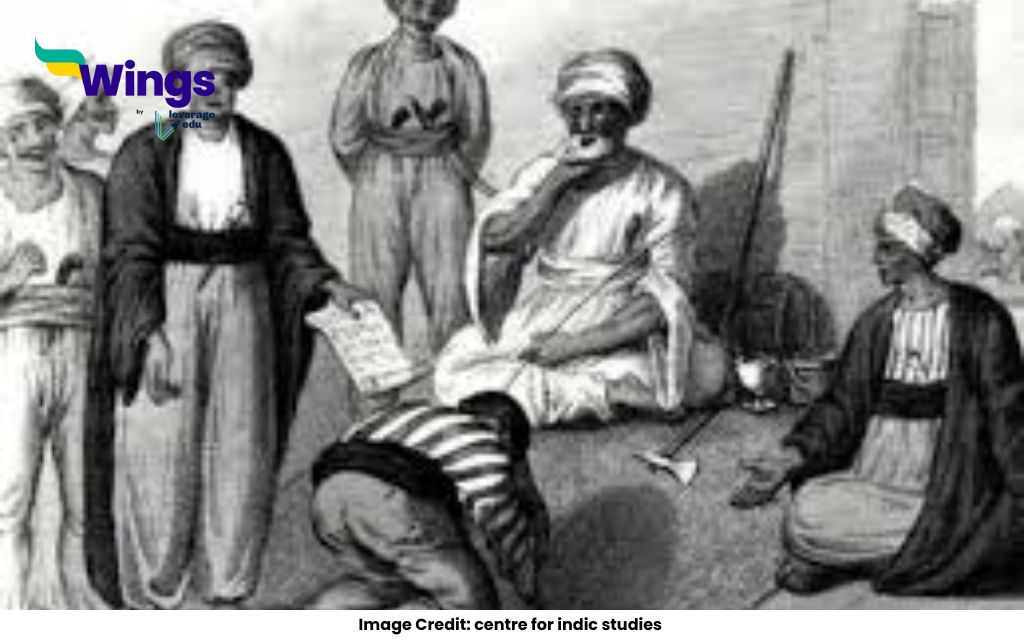
Correct Answer: C. Hindus
The Jizya tax was imposed on Hindus and other non-Muslims living under Islamic rule in medieval India. This tax was a significant part of the administrative and religious policies during the Delhi Sultanate and the Mughal period. It was not imposed on Persians, Muhammadans (Muslims), or foreign visitors, but specifically on non-Muslim subjects, as a form of tribute or in exchange for protection and exemption from military service.
What was the Jizya Tax?
Jizya was a religious tax levied by Islamic rulers on their non-Muslim subjects, also known as dhimmis. It originated from Islamic law and was implemented as a way for non-Muslims to live and practice their religion under a Muslim government. In India, this tax became a tool for rulers to generate revenue and assert their authority over the Hindu majority population.
Jizya was not based on income or profession but was a fixed tax usually collected annually. Those who paid the tax were allowed to retain their religion and were exempted from compulsory military service, which was mandatory for Muslims.
Who Imposed the Jizya in India?
The Jizya tax was first introduced in India during the Delhi Sultanate, particularly under the rule of Qutb-ud-din Aibak, and later reinforced by Alauddin Khilji. However, it was during the reign of Firoz Shah Tughlaq and later Emperor Aurangzeb of the Mughal Empire that the tax became more strictly enforced.
Aurangzeb’s reimposition of the Jizya tax in 1679, after it had been abolished by earlier emperors like Akbar, led to resentment among the Hindu population and became a controversial part of his rule.
Why Was Jizya Controversial?
From a historical perspective, the Jizya tax symbolized religious discrimination, as it singled out people based on their faith. While Muslims paid zakat (an Islamic form of charity), Hindus and other non-Muslims were obligated to pay Jizya without similar religious privileges. This created a division in the treatment of subjects and often led to social and political unrest.
However, from the rulers’ point of view, Jizya was a form of revenue collection and a way to manage a diverse empire without forcing religious conversion.
Common Doubts in History


 60,000+ students trusted us with their dreams. Take the first step today!