

 One app for all your study abroad needs











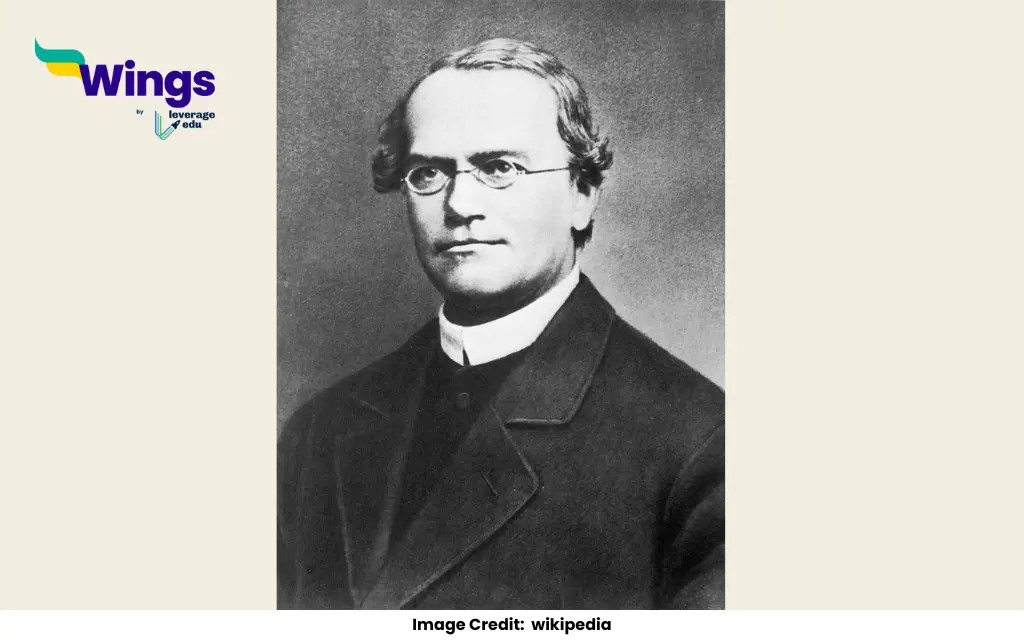
The title “Father of Human Genetics” is often attributed to different scientists based on their contributions. Let’s analyze each option to understand who truly deserves this title.
A. Joe Hin Tjio (often written as Tijo)
Joe Hin Tjio was a cytogeneticist best known for determining that the normal human chromosome number is 46. This discovery, made in 1956, was groundbreaking because it corrected a long-standing error that humans had 48 chromosomes. While Tjio made a significant contribution to human cytogenetics (the study of chromosomes), he is not considered the father of human genetics, as his work came much later in the field’s development.
B. Gregor Mendel
Gregor Mendel is famously known as the “Father of Genetics”, not just human genetics. He was an Austrian monk who discovered the fundamental laws of inheritance through his experiments with pea plants in the 1860s. His principles, the law of segregation and the law of independent assortment, form the foundation of classical genetics. However, Mendel’s work was on plants, not humans. Therefore, while he is the father of genetics, he is not specifically the father of human genetics.
C. Archibald Garrod
Archibald Garrod was a British physician who first linked genetics to human disease. In the early 1900s, he studied a rare disorder called alkaptonuria and realized it was inherited. He introduced the concept of “inborn errors of metabolism”, showing how genetic mutations could affect biochemical pathways in humans. Garrod was the first to apply Mendel’s laws to human inheritance. Because of this pioneering work in understanding human genetic disorders, he is rightly called the “Father of Human Genetics.”
D. Har Gobind Khorana
Har Gobind Khorana was an Indian-American biochemist who played a key role in deciphering the genetic code and understanding how nucleotides in DNA determine the structure of proteins. His work was vital for molecular biology, and he won a Nobel Prize. However, his focus was on molecular genetics, not specifically human inheritance patterns, so he is not called the father of human genetics.
Garrod’s early application of Mendelian principles to human diseases marks him as the Father of Human Genetics.
Common Doubts of Biology


 60,000+ students trusted us with their dreams. Take the first step today!