

 One app for all your study abroad needs















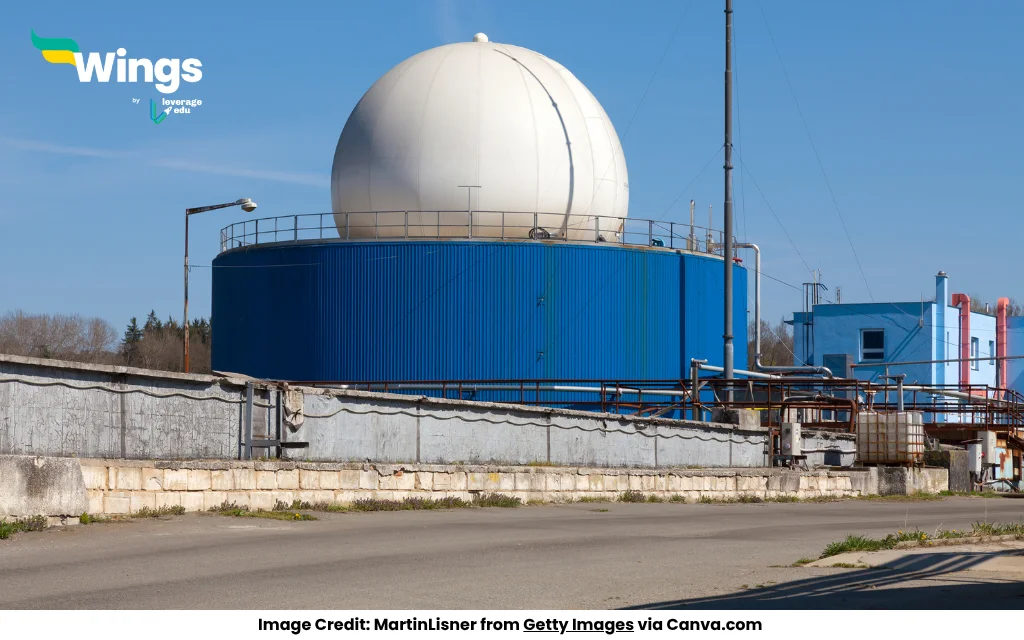
Answer: A biogas plant is a system that converts organic waste such as cow dung, kitchen scraps, and agricultural remains into biogas. This gas can be used for cooking, lighting, and producing electricity. Along with biogas, the plant also produces a leftover material called slurry, which is rich in nutrients and can be used as a natural fertiliser.
Complete Answer:
A biogas plant is an eco-friendly system designed to produce biogas through the process of anaerobic digestion. In this process, microorganisms break down organic materials like animal waste, leftover food, and crop residues in the absence of oxygen. This produces a mixture of gases, mainly methane and carbon dioxide, known as biogas. This gas is a clean and renewable source of energy that can replace traditional fuels like firewood, coal, and LPG.
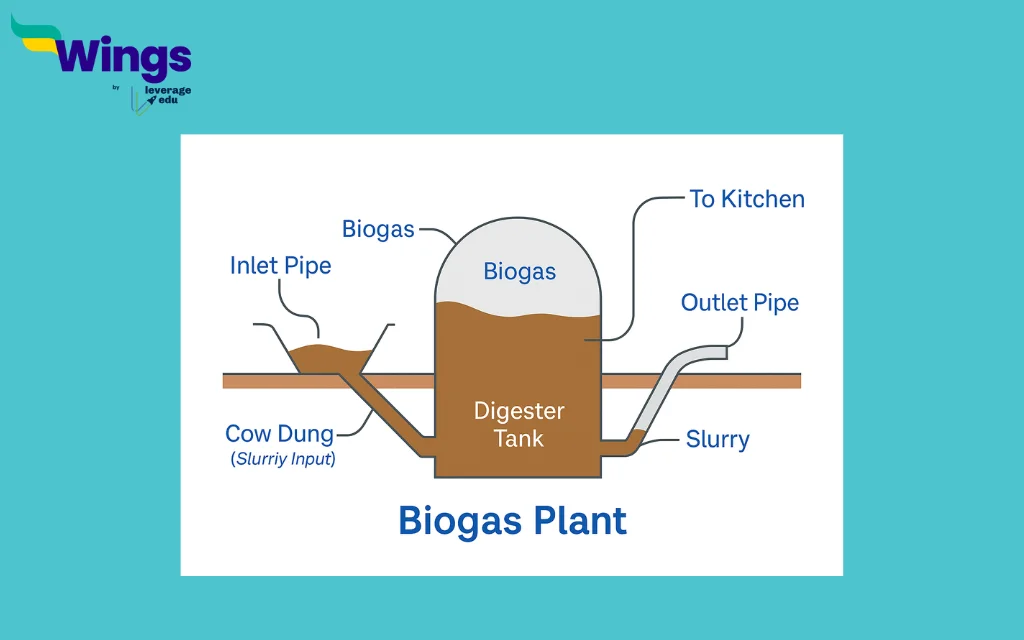
The plant is usually built below the ground to maintain a constant temperature, which helps bacteria work efficiently. The structure of a typical biogas plant includes the following parts:
a. Inlet Tank
The inlet tank is the part of the biogas plant where organic waste, such as cow dung, is mixed with water to form a liquid mixture called slurry. This slurry then moves into the next section for further processing.
b. Digester Tank
The digester tank is an airtight chamber where the slurry is stored. Inside this chamber, bacteria break down the organic waste in the absence of oxygen, leading to the production of biogas.
c. Gas Holder or Dome
The gas holder or dome is located above the digester tank. It is the part of the plant where the biogas, formed during the digestion process, is collected and stored for use.
d. Outlet Tank
The outlet tank is the section from which the used slurry, now turned into a nutrient-rich fertiliser, exits the plant and can be collected for use in farming.
e. Gas Pipeline
The gas pipeline is a pipe connected to the gas holder. It carries the biogas from the dome to the kitchen or any other place where the gas will be used as fuel.
Here is the biogas plants with a labelled diagram:
How do biogas plants work?
The working of a biogas plant begins in a digester, which is a special tank filled with bacteria that feed on organic waste like kitchen scraps and animal manure. These bacteria need to be properly taken care of by giving them the right kind of organic material regularly. Inside the digester, the bacteria break down the waste through a process called anaerobic respiration, which means they work without oxygen.
Over time, usually around 30 to 40 days, they convert the organic matter into methane gas, which is the main part of biogas. The operator of the biogas plant ensures that the digester is regularly fed with household waste to keep the process going. The methane gas collected can be used for cooking, lighting, and even running small engines.
After the digestion is complete, the leftover material, called slurry, is rich in nutrients and can be used as an organic fertiliser for plants. This makes the biogas plant a clean and useful system for managing waste and producing energy.
Check out other Biology questions from here:


 60,000+ students trusted us with their dreams. Take the first step today!