

 One app for all your study abroad needs











Organisms require nutrients to survive and carry out various life processes. While green plants prepare their own food through photosynthesis, some organisms depend on other sources for nutrition. These are called heterotrophs. Two important types of heterotrophic nutrition are saprozoic nutrition and parasitic nutrition.
Saprozoic Nutrition
Saprozoic nutrition is a type of heterotrophic nutrition in which organisms feed on dead and decaying organic matter. These organisms absorb nutrients directly from the surroundings in a dissolved form. They do not ingest solid food like animals. Instead, they release digestive enzymes into the decaying matter and break it down externally. The simpler substances are then absorbed through their body surface.
Examples: Certain protozoans like Amoeba and Paramecium, and some fungi and bacteria exhibit saprozoic nutrition. These organisms play a crucial role in the environment by decomposing organic material and recycling nutrients.
Parasitic Nutrition
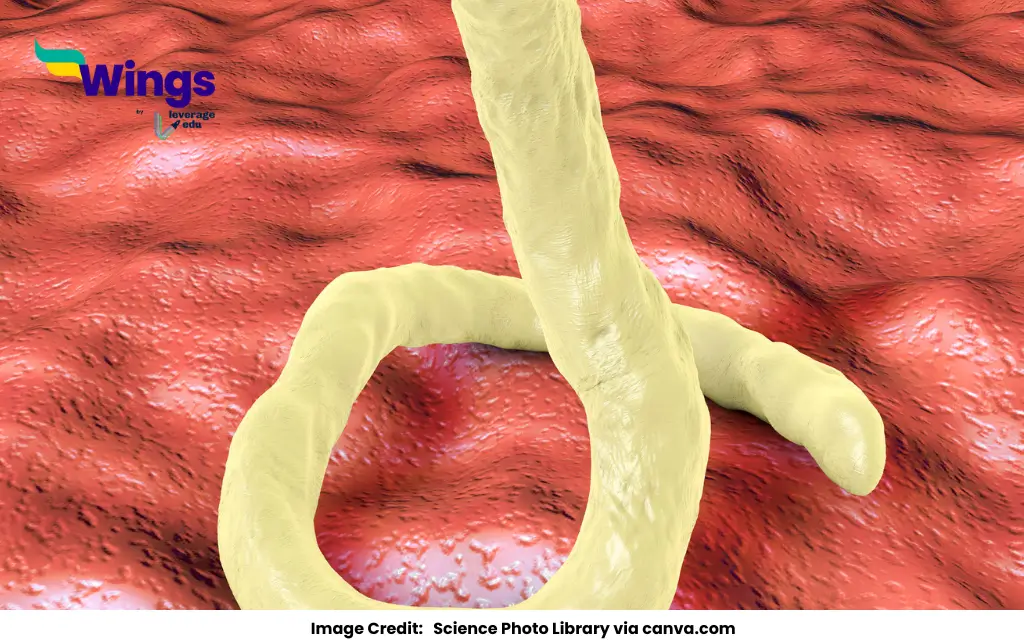
Parasitic nutrition is seen in organisms called parasites, which live on or inside the body of another living organism (called the host) and derive their nutrition from it. The parasite harms the host in the process, either by taking nutrients directly or by damaging the tissues. Parasites may be external (ectoparasites), like lice, or internal (endoparasites), like tapeworms.
Parasites have special adaptations to survive inside the host’s body, such as hooks, suckers, and a simplified digestive system. They do not usually kill the host quickly because their survival depends on the host’s life.
Examples: Lice, leeches, roundworms, and tapeworms are common parasites. Even the Cuscuta plant is a parasitic plant that grows on other plants and absorbs their nutrients.
Both saprozoic and parasitic nutrition involve obtaining nutrients from external sources. However, saprozoic organisms help clean the environment by breaking down dead material, while parasitic organisms live off other living beings and often cause diseases. Understanding these types of nutrition helps us appreciate how different organisms adapt to survive in their ecosystems.
Common Doubts of Biology:


 60,000+ students trusted us with their dreams. Take the first step today!