

 One app for all your study abroad needs















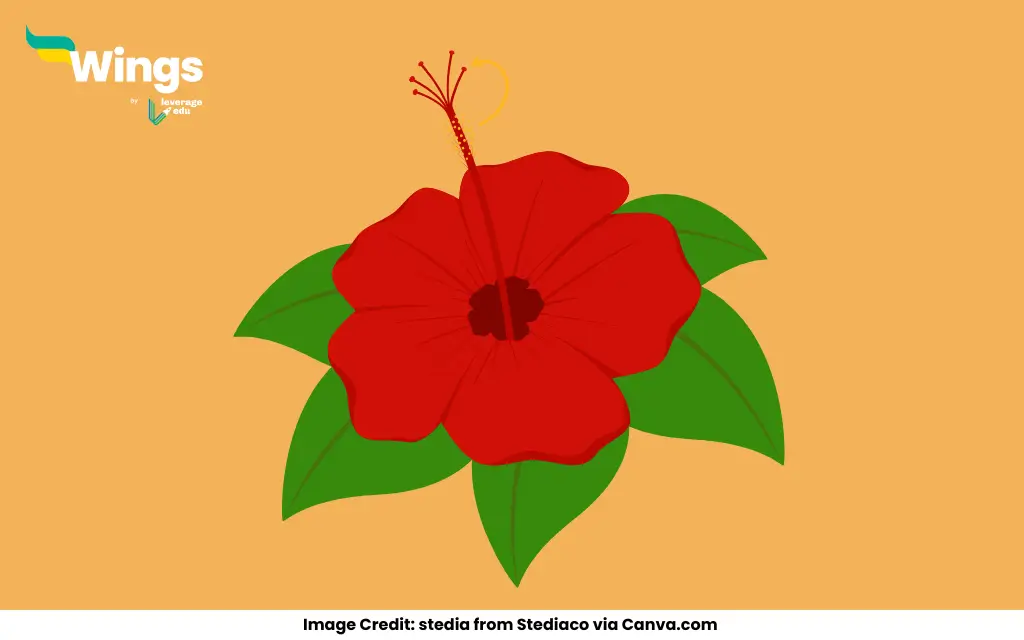
Pollination is a critical process in the reproduction of flowering plants. Two important types of self-pollination are Autogamy and Geitonogamy. Though both involve the transfer of pollen within the same plant, they differ in their mechanisms and biological implications.
Autogamy
Autogamy refers to the transfer of pollen grains from the anther to the stigma of the same flower. This process ensures that a plant can reproduce without relying on external pollinators such as insects, wind, or water. It is most common in plants where flowers are bisexual and mature simultaneously. Examples include wheat, rice, and pea. Autogamy promotes genetic uniformity, which can be advantageous in stable environments but limits genetic diversity.
Autogamy is often facilitated by certain adaptations such as:
- Cleistogamy: flowers never open, ensuring internal fertilization.
- Homogamy: anthers and stigma mature at the same time.
- Chasmogamy: open flowers still self-pollinate if cross-pollination fails.
Geitonogamy
Geitonogamy involves the transfer of pollen from the anther of one flower to the stigma of another flower on the same plant. Although this resembles cross-pollination mechanically (pollen is transferred between different flowers), it is genetically a form of self-pollination since both flowers belong to the same individual. This process may require agents like insects or wind, similar to true cross-pollination.
Geitonogamy occurs in plants that bear multiple flowers, such as maize or cucumber. While it introduces some variability in flower structure and timing, it does not contribute to genetic variation like true cross-pollination.
Comparison Table: Autogamy vs. Geitonogamy
| Feature | Autogamy | Geitonogamy |
| Definition | Pollen transfer within the same flower | Pollen transfer between flowers on the same plant |
| Type of flower | Same flower | Different flowers on the same plant |
| Pollination agents | Not required | May require agents like insects or wind |
| Genetic variation | Very low | Slightly higher but still limited |
| Examples | Wheat, rice, pea | Maize, cucumber |
Both autogamy and geitonogamy allow self-pollination but differ in their ecological roles and evolutionary impacts. Understanding these helps in fields like plant breeding, genetics, and agriculture.
Common Doubts of Biology


 60,000+ students trusted us with their dreams. Take the first step today!