

 One app for all your study abroad needs











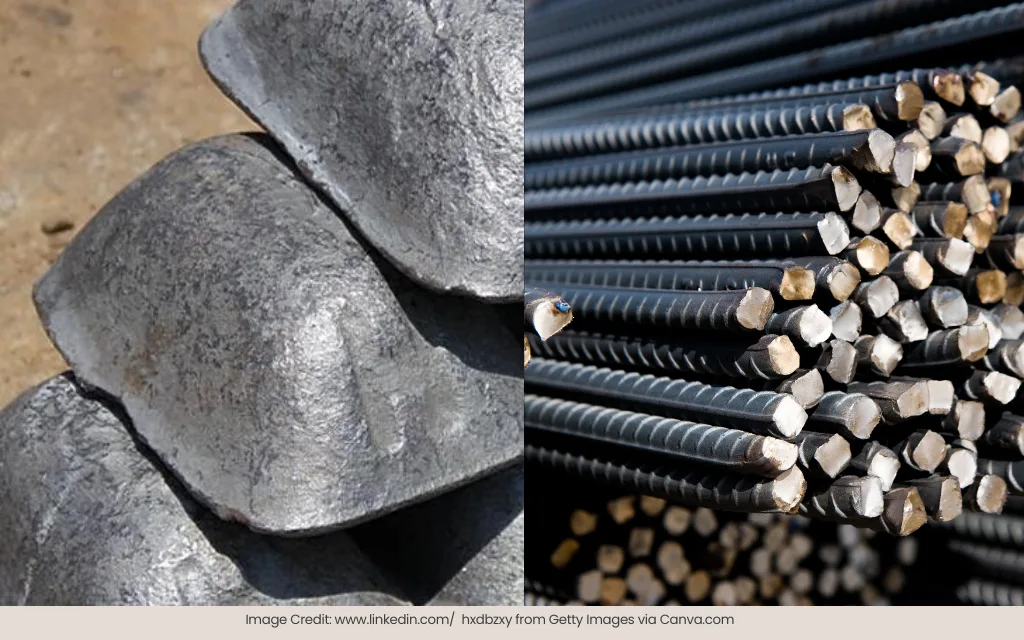
Answer: Pig iron and steel both start from the same basic element. That is, iron. However, they behave very differently. The behaviour is different due to the amount of carbon they contain. Pig iron consists of more than 2% carbon. This makes it hard but brittle. Hence, we cannot wield it or shield it. On the other hand, steel has less than 2% carbon (and small amounts of other elements). This makes steel strong, flexible, and resistant to rust. Therefore, steel can be adjusted to include carbon and other ingredients and turn it into everything from sturdy bridges to sleek kitchen knives. In this blog, we will understand the clear difference between pig iron and steel, how their carbon content differs, and how their properties compare.
What is Pig Iron?
Pig iron refers to the first solid form of iron. You get pig iron when you smelt iron ore in a blast furnace. Pig Iron is high in carbon (more than 2%). This makes it brittle and hard. Therefore, it breaks easily. Moreover, it is not possible to easily wield, roll, or bend it.
What is Steel?
Stell is what you obtain from pig iron. You get it when you take the pig iron and remove most of the carbon from it. Excess impurities are also removed. Thus, less than 2% carbon remains along with small amounts of phosphorus, silicon, and magnesium. Steel is strong and flexible. Therefore, it can be easily shaped into bars, sheets, or welds.
How Does Their Carbon Content Differ?
The difference between pig iron and steel maily lies in their carbon content. The difference in carbon content is provided below:
- Pig iron: > 2 % carbon
- Steel: 0.02–2 % carbon
Steel has lower carbon content. Therefore, it is more flexible and less brittle.
How Do Their Properties Compare?
The difference between pig iron and steel lies in terms of their properties. The difference in their properties is provided below:
| S.No. | Property | Pig Iron | Steel |
| 1 | Brittleness | Breaks or cracks easily under stress | Flexible and can bend without snapping |
| 2 | Malleability | Not suitable for shaping into thin sheets | Easily formed into sheets and other shapes |
| 3 | Weldability | Cannot be joined by welding | Can be welded and fused using standard techniques |
| 4 | Rust Resistance | Prone to corrosion when exposed to moisture and air | More resistant to rust, especially with alloying elements |
Why is Steel More Useful Than Pig Iron?
Steel is considered to be more useful than pig iron. The reason is: steel is strong, flexible and resistant to rust. This makes it the ideal material for building bridges, buildings, cars, tools, and more. On the other hand, the pig iron’s brittleness limits its usage. We can only use it as a raw ingredient for steel production.
Common Reads:


 60,000+ students trusted us with their dreams. Take the first step today!