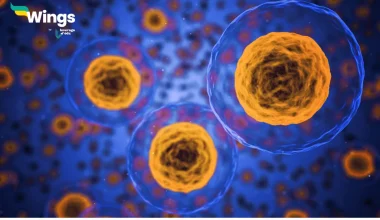
Read More SScienceName the Largest and the Smallest Cell in the Human Body Ankita Mishra07/02/2025 Answer: The largest cell in the human body is the female egg cell (ovum), and the smallest cell… Read More
Read More SScienceWhy is Calcium Sulphate Hemihydrate called Plaster of Paris? Ankita Singh07/02/2025 Calcium Sulphate Hemihydrate is called Plaster of Paris because it is derived by heating gypsum (calcium sulfate dihydrate)… Read More
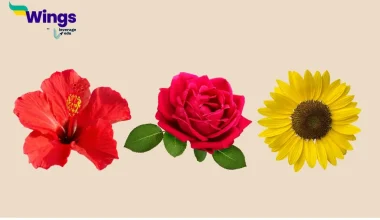
Read More SScienceDefine Hypogynous, Perigynous and Epigynous Flowers Ankita Singh07/02/2025 Flowers are classified as hypogynous, perigynous, or epigynous based on the position of the ovary in relation to… Read More
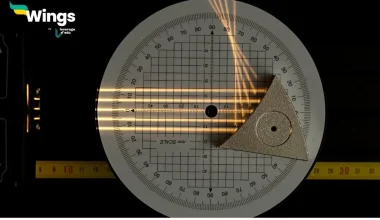
Read More SScienceDefine (i) Principal Focus of a Concave Mirror, and (ii) Focal Length of a Concave Mirror. Draw a Diagram to Represent the Action of a Concave Mirror on a Beam of Parallel Light Rays. Harshita05/05/2025 Answer: (i) Principal Focus of a Concave Mirror The principal focus (F) of a concave mirror is the… Read More
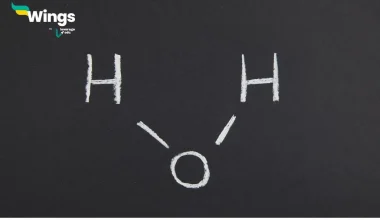
Read More SScienceHow Would You Calculate the Molar Mass of Water (H₂O)? Ankita Singh07/02/2025 To calculate the molar mass of water (H₂O), just add up the atomic masses of hydrogen and oxygen.… Read More
Read More SScienceWhat is Biodiversity? Why is Biodiversity Important for Human Lives? Harshita06/02/2025 Answer: Biodiversity refers to the variety of life on Earth, including plants, animals, microorganisms, and ecosystems. It encompasses… Read More
Read More SScience5 Differences between N-type and P-type Semiconductors Ankita Singh06/02/2025 The common 5 differences between N-type and P-type semiconductors are defined on the basis of charge carriers, doping… Read More
Read More SScienceHow Do Biotic and Abiotic Factors Affect Crop Production? Ankita Singh06/02/2025 Biotic factors, like pests, diseases, and soil microorganisms, can either harm or benefit crop production. Abiotic factors, such… Read More
Read More SScienceWhat Do You Mean by a Precipitation Reaction? Explain by Giving Examples Harshita05/02/2025 Answer: A precipitation reaction is a type of chemical reaction in which two soluble ionic compounds react in… Read More
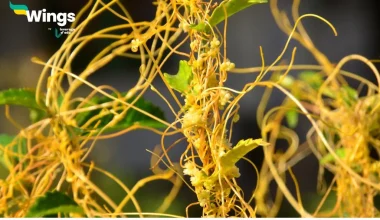
Read More SScienceA) What is Cuscuta(Amarbel)? Why is cuscuta called a parasite? B) All animals depend upon plants for their food’. Justify this statement. Ankita Singh05/02/2025 Cuscuta (Amarbel) is a parasitic plant that lacks chlorophyll and derives nutrients from host plants, weakening them. All… Read More












 60,000+ students trusted us with their dreams. Take the first step today!