

 One app for all your study abroad needs











- Kerala
- Tamil Nadu
- Karnataka
- Andhra Pradesh
Correct Answer: 1. Tamil Nadu
Bharatanatyam is the soul-stirring classical dance form that hails from Tamil Nadu, captivating audiences with its graceful moves and rich storytelling. It’s more than just a dance—it’s a cultural treasure that blends music, rhythm, and emotion, passed down through generations. For students, learning about Bharatanatyam is a chance to explore India’s vibrant heritage and connect with an art form that’s both ancient and alive. Let’s dive into what makes Bharatanatyam so special and why Tamil Nadu is its heart.
What Makes Bharatanatyam Unique?
Bharatanatyam is all about precision and passion. Originating in Tamil Nadu’s temples thousands of years ago, it’s a dance that tells stories through expressive gestures (mudras), rhythmic footwork, and facial expressions. Dancers often perform to Carnatic music, weaving tales from Hindu mythology, like the stories of Krishna or Shiva. The dance has a distinct structure, with pieces like Alarippu (an opening invocation) and Varnam (a complex narrative), making every performance a journey.
For students, Bharatanatyam is a window into art and culture. It’s not just about moving your body—it’s about mastering control, rhythm, and storytelling. Learning even the basics, like the adavus (basic steps), can teach discipline and focus, skills that help in school and beyond. Plus, it’s a great way to appreciate Tamil Nadu’s role in preserving this art, with institutions like Kalakshetra in Chennai keeping the tradition alive.
Roots in Tamil Nadu
Tamil Nadu is the birthplace of Bharatanatyam, where it started as a devotional dance performed by devadasis (temple dancers) in ancient temples like those in Thanjavur. Known as Sadir back then, it was a sacred offering to the gods. Over time, it moved from temples to stages, especially in the 20th century when dancers like Rukmini Devi revived it, giving it the name Bharatanatyam (from Bharata, meaning India, and natyam, meaning dance). Tamil Nadu’s rich cultural scene, with its temples and Carnatic music, made it the perfect home for this art.
For students, this history shows how culture evolves. Tamil Nadu’s commitment to Bharatanatyam, through schools and festivals like the Chennai Music and Dance Festival, keeps it thriving. Exploring this can spark curiosity about other Indian dance forms, like Kathak or Odissi, and how each state has its own artistic flavor. It’s a reminder that India’s diversity is a treasure chest of stories and traditions.
Quick Facts
- State: Tamil Nadu.
- Origin: Temple dance, once called Sadir.
- Key Elements: Mudras, Carnatic music, expressive storytelling.
- Famous Hub: Kalakshetra, Chennai.
- Global Reach: Performed worldwide with modern twists.
- Student Tip: Watch a performance or try a beginner class.
The Role of Music and Costume
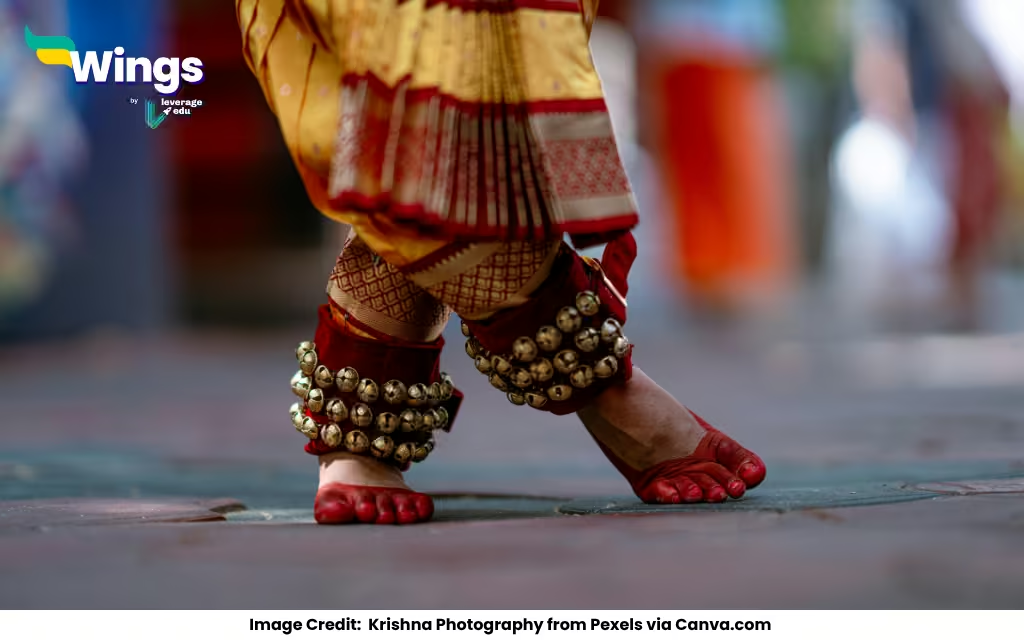
Bharatanatyam isn’t just about dance—it’s a full sensory experience. The music, usually Carnatic, features instruments like the mridangam (drum) and veena, setting the rhythm for the dancer’s steps. The lyrics, often in Tamil or Sanskrit, tell epic stories, and the dancer brings them to life with every gesture. The costume is just as iconic: vibrant silk sarees, intricate jewelry, and ghungroos (ankle bells) that jingle with every step. It’s a visual and auditory feast!
Students can learn a lot from this blend of art forms. The music teaches rhythm and timing, while the costume shows how aesthetics tie into culture. If you’re studying music or theater, Bharatanatyam offers a way to see how different arts come together. You might even try listening to Carnatic music or checking out a performance online to feel the vibe of Tamil Nadu’s cultural heartbeat.
Why It’s More Than Just Dance
Bharatanatyam is a workout for both body and mind. It demands stamina, flexibility, and mental focus to nail the intricate steps and expressions. But it’s also a way to connect with emotions and stories, making it a powerful tool for self-expression. In Tamil Nadu, it’s a source of pride, performed at festivals, weddings, and cultural events. For young dancers, it’s a way to stay rooted in tradition while exploring creativity.
For students, Bharatanatyam is a chance to see how art reflects life. It teaches patience and perseverance—learning a single piece can take months! Plus, it’s a great way to explore themes like spirituality, gender, and identity, since many stories challenge stereotypes or explore human struggles. Whether you’re into history, sociology, or just love a good performance, Bharatanatyam has something to offer.
How Bharatanatyam Is Evolving
While Tamil Nadu remains Bharatanatyam’s heart, the dance has gone global. Dancers worldwide now perform it, blending traditional moves with modern themes like climate change or social justice. In Tamil Nadu, schools like Kalakshetra are experimenting with new choreography while staying true to the roots. This mix of old and new keeps Bharatanatyam fresh and relevant, appealing to younger audiences.
For students, this evolution is exciting—it shows how tradition can adapt without losing its essence. You might explore how Bharatanatyam is taught today, with online classes making it accessible worldwide. Or, look into how dancers use social media to share their art, connecting Tamil Nadu’s heritage to global audiences. It’s a reminder that culture isn’t static—it grows with each generation.
How Students Can Get Involved
If you’re curious about Bharatanatyam, start by watching a performance, either live in Tamil Nadu or online through platforms like YouTube. Many cities have dance schools where you can try a class—don’t worry if you’re a beginner; it’s all about learning! You could also research famous dancers like Rukmini Devi or Alarmel Valli to see how they shaped the art. For a school project, try comparing Bharatanatyam to another dance form or exploring its role in Tamil Nadu’s culture.
If you’re near Tamil Nadu, check out festivals like Natyanjali, where dancers perform in temple courtyards. Even small steps, like learning a mudra or listening to Carnatic music, can spark a love for this art. Bharatanatyam is about connecting with stories and emotions, so dive in and let it inspire you!
Summary
Bharatanatyam, a classical dance from Tamil Nadu, is a vibrant mix of rhythm, expression, and storytelling rooted in the state’s temple traditions. Revived in the 20th century, it’s now a global art form, blending ancient moves with modern themes. For students, it’s a chance to explore Tamil Nadu’s cultural heritage, learn discipline, and connect art to history and emotion.
Also Read:
UN World Environment Day is celebrated on:
What is Formed in the Reaction of Sodium Hydride with Water?
Switch Mode Power Supply (SMPS) is used for:
Name the Westernmost Point of India
First census in India was conducted in the year _______.


 60,000+ students trusted us with their dreams. Take the first step today!