

 One app for all your study abroad needs











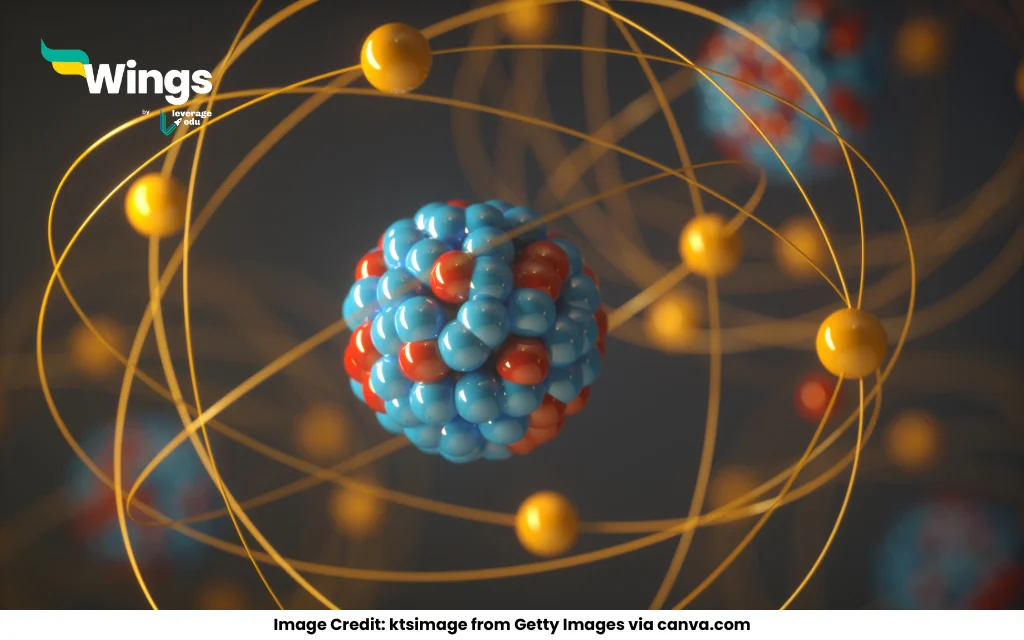
Answer: The atomic number of copper is 29. This means every copper atom has 29 protons in its nucleus, and usually 29 electrons in a neutral state. The atomic number is like the identity number of an element no two elements share the same atomic number. For example, hydrogen has only 1 proton, so its atomic number is 1. In copper’s case, having 29 protons makes its atomic number 29, and this is what places it in the 11th group and 4th period of the modern periodic table.
Complete Answer:
The atomic number of an element tells us how many protons are in the nucleus (center) of one atom of that element. This number is very important because it acts as a unique identity for every element no two elements can have the same atomic number. For example, hydrogen has 1 proton, so its atomic number is 1.
Now, let’s talk about copper, which has the symbol Cu. Copper is found in the d-block of the periodic table. It is placed in the 4th period and the 11th group. Copper is a shiny, reddish-orange metal. It is well-known for its high electrical and thermal conductivity, which is why it is widely used in electric wires, coins, plumbing, and jewellery.
The most stable and common form of copper has 29 protons, 29 electrons, and usually 34 neutrons, which makes its atomic number 29. The number of neutrons can change slightly in different forms (called isotopes), but the number of protons never changes for a particular element. That’s why the atomic number remains fixed.
In a neutral atom, the number of protons and electrons is equal, which keeps the atom electrically balanced. So in copper, the 29 electrons move around the nucleus, while 29 protons stay at the center, giving it its unique identity and properties.
Common Chemistry Doubts:


 60,000+ students trusted us with their dreams. Take the first step today!