

 One app for all your study abroad needs





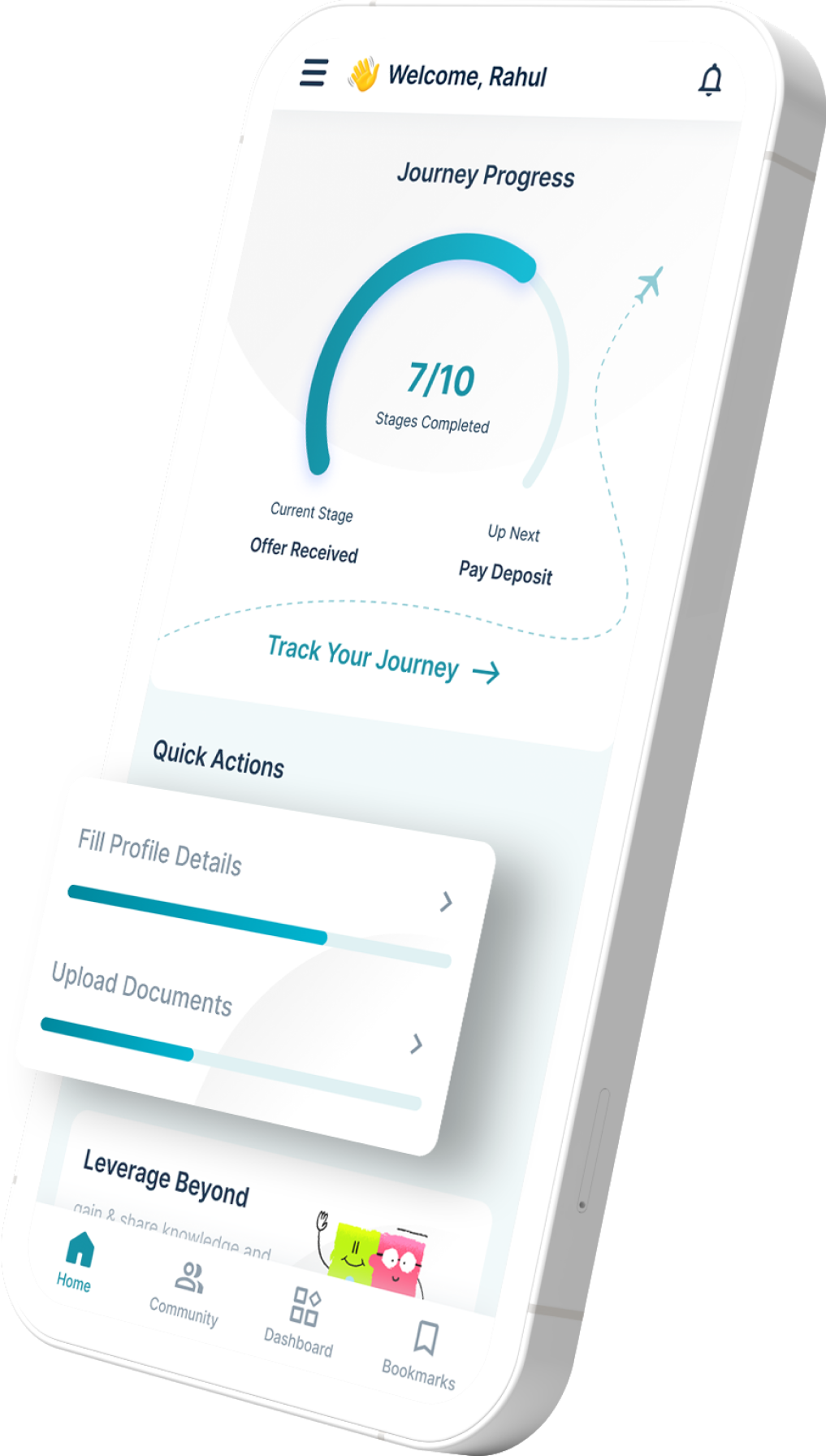











Planning to study abroad is exciting until you start comparing tuition fees, visa rules, university requirements, part-time work options and which country actually makes sense for you. The good news is that you don’t need to figure everything out at once.
The right destination depends on your course, budget, academic profile and what you want to do after graduation. The USA offers enormous academic choice, the UK works well for intensive one-year master’s degrees, Germany is known for affordable public universities, and choosing to study in Europe gives you dozens of destinations with distinct tuition policies and living expenses to navigate.
Table of contents
What Should You Consider Before Studying Abroad?
Choosing a country or university based only on rankings is a mistake. Start with what will actually affect your life for the next few years:
- Tuition and living costs
- Course duration
- Work opportunities
- Post-study visa pathways
- Whether you’ll need the local language alongside an English-taught course
Look beyond the university too, at the industries and roles available in your chosen field.
Which Are the Top Countries to Study Abroad?
There isn’t one destination that suits every student. The top countries to study abroad are popular for different reasons.
UK
The UK remains a major draw for Indian students thanks to its recognised universities and relatively short Master’s programmes. When you decide to study in the UK, postgraduate tuition typically runs from £15,000 to £40,000, while official UK Home Office maintenance guidelines require students to demonstrate living funds of £1,136 per month outside London or £1,483 per month in London. Full-time degree students can work up to 20 hours a week during term, and graduates can remain for up to two years to seek employment under the UK Graduate Route post-study work visa.
Germany
For Indian students, the decision to study in Germany often comes down to affordability. Most public universities charge no tuition for standard degree programs, though semester contributions run around €250–€400, and public universities across the state of Baden-Württemberg charge non-EU students €1,500 per semester. Indian applicants must also obtain a mandatory APS certificate (Akademische Prüfstelle) verifying their academic records prior to visa submission. Part-time student work is permitted up to 140 full days per calendar year, and graduates receive an 18-month job-seeker residence permit to secure qualified employment.
USA
The USA offers an enormous range of universities and research opportunities, but at a higher cost. Bachelor’s tuition in the USA can run from $25,000 to upwards of $65,000+ per year at private research institutions, while Master’s programs typically range from $20,000 to $55,000. Degree students can work up to 20 hours a week on campus during term, and post-study Optional Practical Training (OPT) provides 12 months of work authorisation, extendable by 24 months for qualifying STEM graduates.
Italy
Italy appeals to students seeking European exposure without the premium price tag of destinations like the UK or USA. Public universities charge non-EU students roughly €1,000–€4,000 a year for undergraduate programmes and €1,500–€5,000 for Master’s, with some fee structures adjusted by family income. International students can work up to 20 hours a week on a valid student visa, and scholarships such as the DSU Regional Scholarships can bring costs down further for eligible applicants.
Australia
Australia combines globally recognised universities with strong post-study work rights, making study in Australia an attractive option, though it comes at a higher cost than Italy or Germany. Annual tuition ranges from AUD 20,000 to AUD 45,000, while student visa regulations require applicants to budget for Overseas Student Health Cover and a primary student visa (Subclass 500) application fee of AUD 2,000 or more. International students can work up to 48 hours per fortnight while classes are in session, and eligible graduates can secure two years of work authorisation through the Temporary Graduate visa (Subclass 485).
Canada
According to reports from Statistics Canada, annual international tuition averages CAD 41,746 for undergraduate degrees and CAD 24,000 for graduate courses. Recent policy changes by Immigration, Refugees and Citizenship Canada (IRCC) have instituted international study permit caps, set off-campus work limits to 24 hours per week during term, and introduced stricter language and field-of-study requirements for Post-Graduation Work Permits (PGWP).
Ireland
Ireland offers English-medium education with EU access for graduates, making it an increasingly popular alternative to the UK. Non-EU tuition generally ranges from €10,000–€25,000 for undergraduate programmes and €10,000–€30,000 for taught Master’s degrees, while living costs run approximately €900–€1,800 a month depending on the city. Non-EU students can work up to 20 hours a week during term and 40 hours during scheduled holidays, with master’s graduates qualifying for a 24-month stay-back work permit under the Third Level Graduate Scheme (Stamp 1G).
Can Indian Students Work While Studying Abroad?
Often, yes, though the rules depend entirely on the country and your visa. UK degree-level students can generally work up to 20 hours a week during term, Germany allows work abroad within its own limits, and the USA has more specific restrictions around student employment and practical training. Don’t build your financial plan around a part-time job, though; your tuition and living costs should be manageable on their own.
What About Scholarships and Education Loans?
Don’t wait for an offer letter to think about finances. Research government and university scholarships alongside your shortlist, and compare education loans on repayment periods, margin money, and moratorium terms rather than the headline interest rate alone. Check the repayment period, collateral requirements and moratorium too. It’s also worth calculating potential ROI: a €20,000 course isn’t automatically cheaper than a €30,000 one if living costs and career outcomes differ substantially. Leverage Edu’s financial guidance can help you work through scholarship options and compare education loans side by side, so the numbers make sense before you commit to a destination.
Your Study Abroad Checklist
Before applying, make sure you’ve checked:
- Academic fit and institutional accreditation
- Net tuition fees and payment schedules
- Monthly living expenses and local housing costs
- Scholarship deadlines and loan terms
- English proficiency test requirements
- Visa regulations, term-time work caps, and stay-back rights
- Compulsory health insurance coverage
- Verified student accommodation options
- Post-graduation employment prospects
Above all, give yourself enough time. Applications, tests, financial planning and visas all take longer than expected.
How Leverage Edu Can Help
Planning to study abroad can feel overwhelming, and that’s completely normal. The hardest part isn’t finding a list of universities; it’s working out which ones genuinely fit your profile, your budget and where you see yourself a few years from now. That’s exactly where the right support makes all the difference.
Leverage Edu has helped students navigate this journey for over a decade, guiding them through shortlisting, applications, education loans, forex, visas, and accommodation. With access to hundreds of partner universities across the UK, USA, Germany and other European destinations, your plan can be built around your marks, budget and goals, so you’re never figuring this out alone.
Ready to Plan Your Study Abroad Journey?
You don’t need every answer before you start. Begin with your course, budget and career goals, then compare destinations from there. Whether you plan to study in the UK, target admission in the USA, or evaluate campuses across Europe, thorough preparation with dedicated guidance from Leverage Edu can streamline each stage of your application.
FAQs
1.Which are the best countries for Indian students to study abroad in 2026?
The right country depends on your course, budget and career goals. The UK, USA, Germany and several European destinations offer different combinations of university choice, costs, work opportunities and post-study pathways.
2.Can Indian students work while studying abroad?
Yes, many countries allow international students to work, but the permitted hours and conditions differ. For example, eligible UK degree students can generally work up to 20 hours a week during term time, while Germany and the USA have their own rules.
3.How can international students study in the USA?
Start by selecting suitable universities, checking their requirements and submitting applications. After admission, students generally receive an I-20, pay the SEVIS fee and apply for an F-1 student visa.
4.How much does it cost to study in Europe?
According to national higher education agencies including Campus France and the German Academic Exchange Service (DAAD), tuition ranges from subsidised rates of €900 to private school fees exceeding €35,000, with monthly living costs typically falling between €700 and €1,800 depending on the municipality.
5.Why do Indian students choose to study in Europe?
Europe offers diverse universities, courses and fee structures across multiple countries. Students can explore English-taught programmes, scholarships, international work opportunities and different career markets while experiencing life across a multicultural region.


 2,00,000+ students realized their study abroad dream with us. Take the first step today.