

 One app for all your study abroad needs











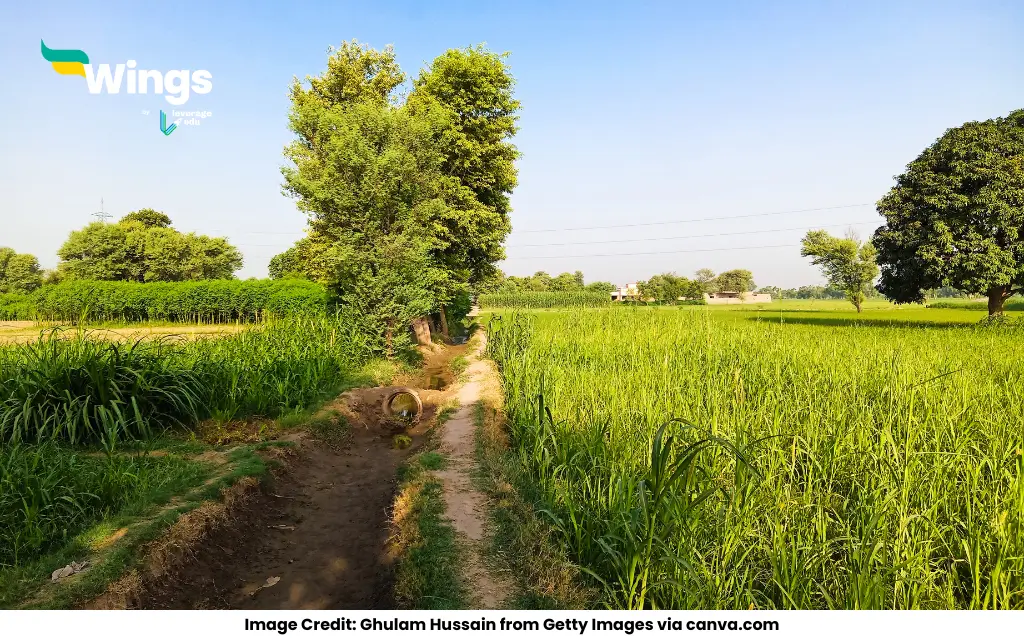
Punjab is often called “India’s Bread Basket” because it plays a major role in producing food for the entire country, especially wheat and rice. Just like a bread basket holds food for a meal, Punjab supplies a large amount of food grains to the rest of India. Let’s understand why Punjab is so important in feeding the nation.
Rich Soil and Fertile Land
Punjab has very fertile soil, especially alluvial soil, which is ideal for growing crops. The state lies in the plains of five rivers – the Sutlej, Beas, Ravi, Chenab, and Jhelum – which provide plenty of water and make the land very productive. This makes farming easier and more successful.
Green Revolution and Modern Farming
In the 1960s, the Green Revolution started in India, and Punjab was one of the first states to adopt it. This movement introduced better seeds (called High-Yielding Varieties), chemical fertilizers, and modern irrigation techniques. As a result, Punjab’s crop production increased rapidly. Farmers were able to grow more food in less time and with greater efficiency.
Today, Punjab grows about two-thirds of India’s wheat and a significant portion of rice. The state contributes a large part of its harvest to the Food Corporation of India (FCI), which distributes food to other parts of the country. This is why Punjab is compared to a bread basket — it helps feed millions of people.
Hardworking Farmers
Another reason behind Punjab’s success in agriculture is its hardworking farmers. Farming is the main occupation in the state, and generations of families have dedicated themselves to working in the fields.
In short, Punjab is called “India’s Bread Basket” because of its rich soil, modern farming techniques, high food grain production, and dedicated farmers. The state plays a key role in making sure that India has enough food to eat.
Common Doubts of Social Science


 60,000+ students trusted us with their dreams. Take the first step today!