

 One app for all your study abroad needs















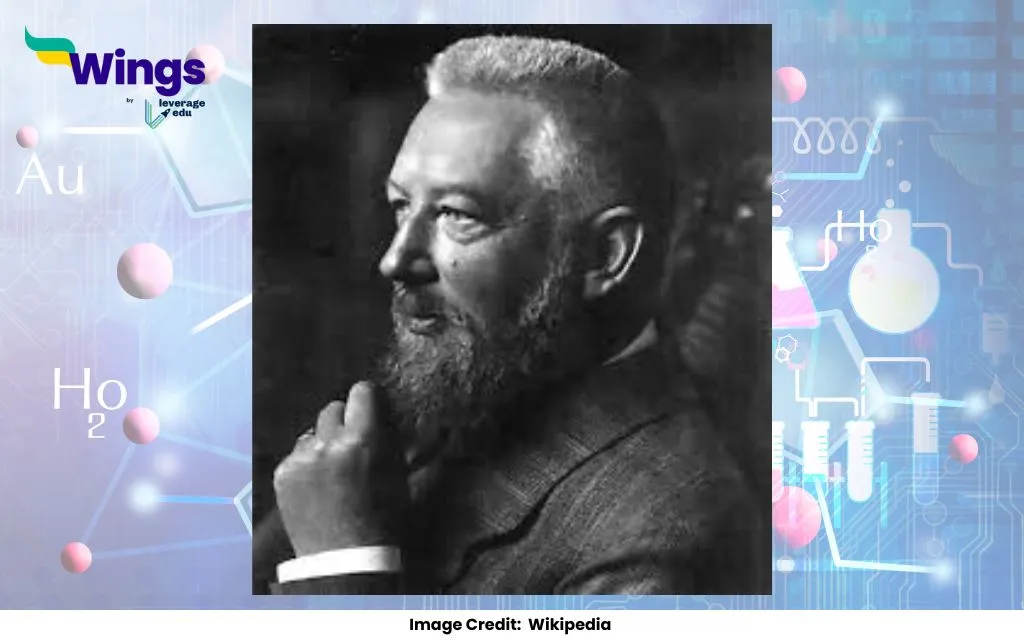
Answer: The father of Physical Chemistry is Wilhelm Ostwald. He made significant contributions to the study of chemical reactions, catalysis, and chemical equilibrium. Ostwald also developed the field of physical chemistry as a separate discipline, focusing on the physical properties of chemical systems. His work earned him the Nobel Prize in Chemistry in 1909 for his pioneering research.
Complete Answer:
Wilhelm Ostwald, a German chemist, is widely regarded as the Father of Physical Chemistry. He was born in 1853 and is best known for his groundbreaking work in developing physical chemistry as a distinct scientific field. His research bridged the gap between chemistry and physics, leading to the establishment of physical chemistry as a core branch of chemistry.
Ostwald’s most notable contribution was in the area of chemical equilibrium and catalysis. He introduced the concept of “dynamic equilibrium,” which helps explain how chemical reactions reach a state where the forward and reverse reactions occur at equal rates. This understanding has been essential in various chemical processes and industrial applications.
In addition to his work on equilibrium, Ostwald made significant advancements in studying the rates of chemical reactions, which laid the foundation for the field of chemical kinetics. He also worked on the theory of solutions, providing a deeper understanding of properties like osmotic pressure and dissociation in solutions.
Ostwald’s influence extended beyond theory; he helped shape modern chemical education by establishing physical chemistry as a formal area of study. He was awarded the Nobel Prize in Chemistry in 1909 for his work in catalysis and his contributions to the development of physical chemistry. His work continues to influence both chemistry and related fields like biochemistry and environmental science.
Through his efforts, Ostwald helped shape modern chemistry, and his legacy continues to impact scientific research today.
Common Chemistry Doubts:


 60,000+ students trusted us with their dreams. Take the first step today!