

 One app for all your study abroad needs











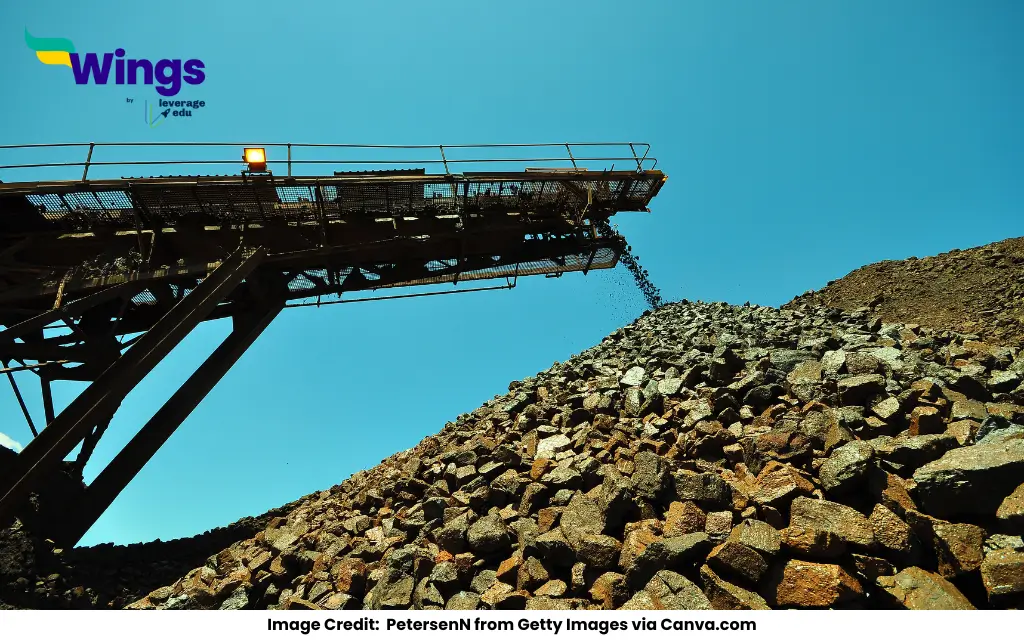
Resources are the backbone of human survival and development, providing the materials and energy needed for daily life, industry, and progress. They come in various forms, each with unique characteristics and uses. Understanding the types of resources—such as natural, human, capital, renewable, and non-renewable—is essential for managing them sustainably and ensuring they benefit both present and future generations.
Complete Answer to Which Type of Resource is Iron Ore
Option A: Renewable
Renewable resources are natural resources that can be replenished naturally over time, such as sunlight, wind, and water. They are considered sustainable because they are not depleted when used responsibly.
Option B: Biotic
Biotic resources are derived from living organisms, including plants, animals, and microorganisms. These resources are renewable and play a vital role in ecosystems and human survival.
Option C: Flow
Flow resources are natural resources that are constantly renewed by natural processes and must be used as they occur, like sunlight, wind, and water currents. They cannot be stored and are available in a continuous or cyclic flow.
Option D: Non-Renewable
Non-renewable resources are natural resources that cannot be replenished within a human lifespan, such as coal, oil, and natural gas. Once depleted, they are gone forever or take millions of years to form again.
Final Answer
The correct answer is Option D: Non-Renewable
So, if someone asks you, “Which type of resource is Iron ore?”, you now know the answer is non-renewable. Because of their limited availability, non-renewable resources must be used wisely to avoid exhaustion and environmental harm. Their extraction and use often contribute to pollution and climate change, highlighting the need for sustainable alternatives.


 60,000+ students trusted us with their dreams. Take the first step today!