

 One app for all your study abroad needs











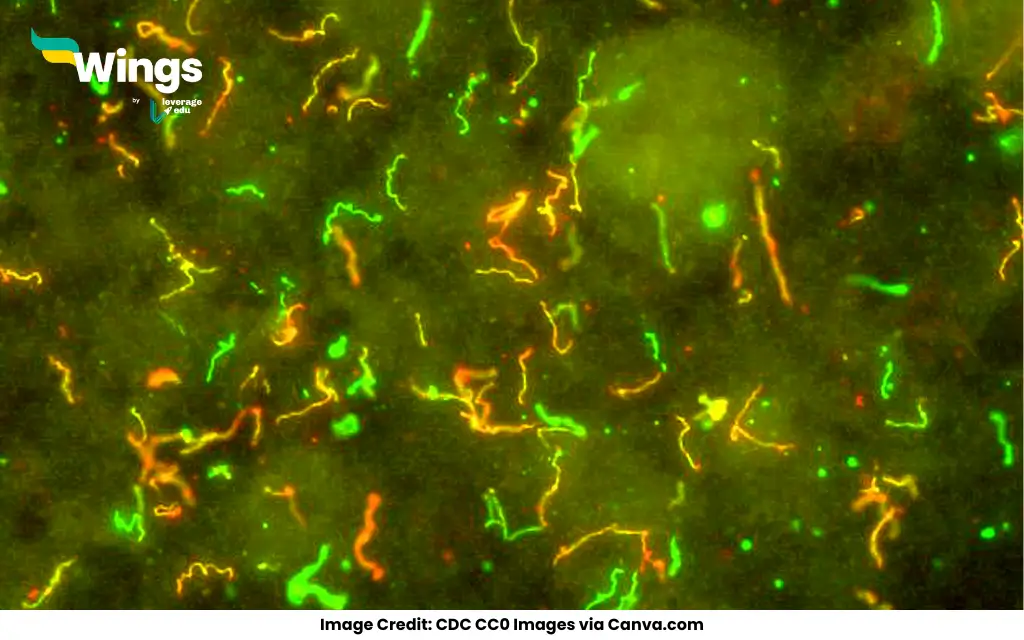
Water-borne diseases are illnesses caused by pathogens that are transmitted through contaminated water. These diseases typically spread when people consume or come in contact with water contaminated with feces, bacteria, viruses, or protozoa. Let us analyze each of the given options to determine which is not a water-borne disease.
A. Asthma
Asthma is a chronic respiratory condition that affects the airways of the lungs. It causes symptoms like wheezing, shortness of breath, coughing, and chest tightness. Asthma is not caused by water contamination. Instead, it is triggered by allergens such as dust, pollen, pet dander, smoke, air pollution, or cold air. Since asthma is not related to the intake of contaminated water, it is not a water-borne disease.
B. Cholera
Cholera is a well-known water-borne disease caused by the bacterium Vibrio cholerae. It spreads through contaminated drinking water and food. It leads to severe diarrhea, dehydration, and can be fatal if not treated promptly. Cholera outbreaks are common in areas with poor sanitation and limited access to clean water.
C. Amoebiasis
Amoebiasis (also known as amoebic dysentery) is another water-borne disease caused by the protozoan parasite Entamoeba histolytica. It spreads through consumption of contaminated water or food. The disease primarily affects the intestines and causes abdominal pain, diarrhea, and sometimes fever.
D. None of the above
This option would only be correct if all the listed diseases were water-borne. However, since Asthma is not water-borne, this option is incorrect.
Based on the analysis, both cholera and amoebiasis are water-borne diseases caused by pathogens present in contaminated water. However, asthma is a respiratory condition unrelated to water contamination.
Therefore, the correct answer is: (a) Asthma.
Common Doubts of Biology


 60,000+ students trusted us with their dreams. Take the first step today!