

 One app for all your study abroad needs











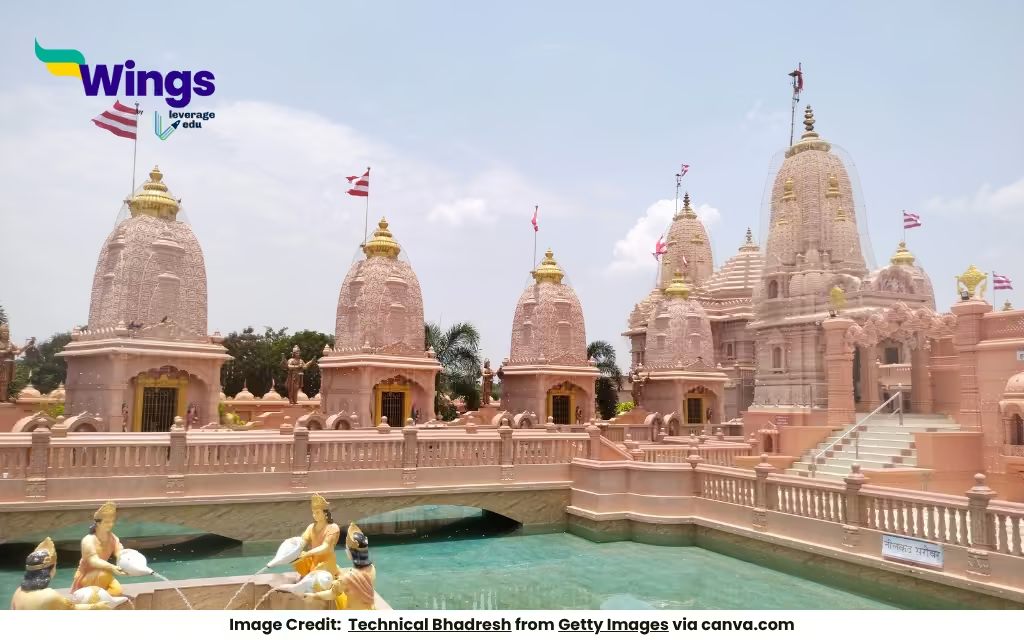
The capital of Kosala was Ayodhya, one of the most ancient and revered cities in Indian history and mythology. Kosala was a significant Mahajanapada (great kingdom) during the 6th–5th century BCE in northern India and played a crucial role in both historical and religious contexts, particularly in Hinduism, Buddhism, and Jainism.
Capital of Kosala: Quick Overview
| Feature | Details |
| Name of the Kingdom | Kosala (also spelled Koshala) |
| Capital City | Ayodhya |
| Other Important Cities | Saketa, Sravasti, Setavya |
| Region | Present-day Uttar Pradesh, India |
| Historical Period | 6th–5th century BCE |
| Religious Significance | Birthplace of Lord Rama (Hinduism); Important in Buddhism and Jainism |
About Ayodhya – The Capital of Kosala
Ayodhya is mentioned in several ancient Indian texts, including the Ramayana, Mahabharata, and various Buddhist and Jain scriptures.
It was the birthplace of Lord Rama, making it a central city in Hindu beliefs.
In Buddhist texts, especially the Anguttara Nikaya, Ayodhya is referred to as Saketa and is considered a thriving city even during the time of the Buddha.
The city was a major hub of politics, trade, and religion in ancient India.
Kosala in Ancient Indian Texts
| Source | Reference to Kosala and Ayodhya |
| Ramayana | Ayodhya as the kingdom ruled by King Dasharatha |
| Mahabharata | Kosala as an ally of the Pandavas |
| Buddhist Texts | Ayodhya (Saketa) and Sravasti as important cities |
| Jain Texts | Ayodhya as a birthplace of several Tirthankaras |
Also read:
What Was the Impact of the Civil War in Sri Lanka?
Is a Roe a Female Deer?
What is loo?


 60,000+ students trusted us with their dreams. Take the first step today!