

 One app for all your study abroad needs











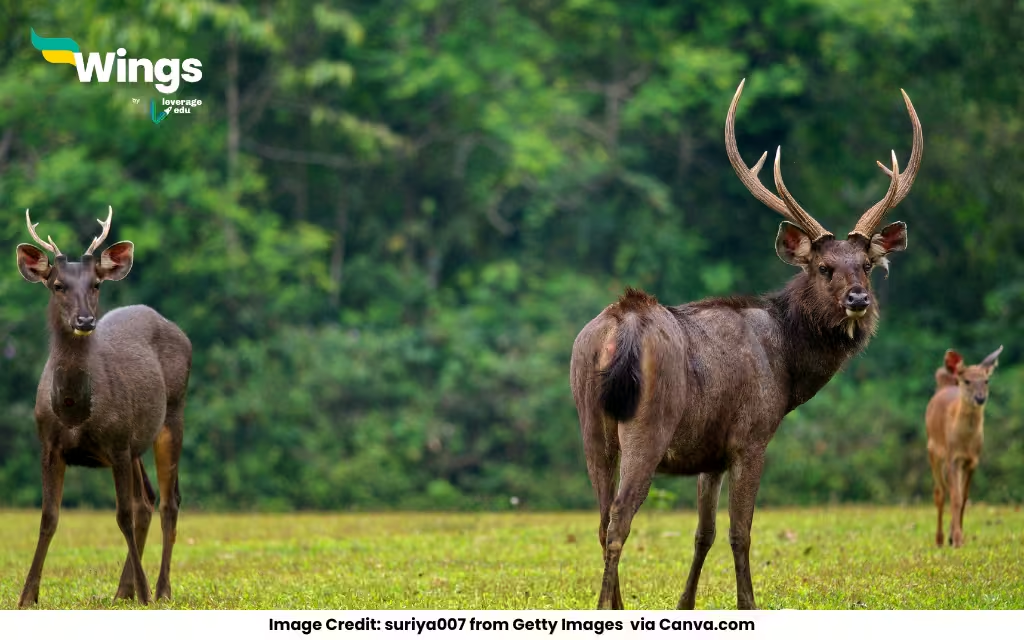
The Sambar deer (Rusa unicolor), one of the largest deer species in the world, is native to the Indian subcontinent and Southeast Asia. In India, this majestic animal is widespread and found in a variety of habitats—from dense forests to hilly terrains. It is classified as a Vulnerable species by the IUCN, and its conservation is crucial for maintaining the ecological balance in Indian forests.
Sambar Deer Habitat in India
Sambar deer are primarily found in tropical dry forests, moist deciduous forests, and hill forests. They thrive in dense vegetation and near water bodies like rivers, lakes, and marshes.
Indian States Where Sambar Deer Are Found
Here’s a comprehensive table listing Indian states and the key national parks or wildlife sanctuaries where Sambar deer are commonly found:
| State | Key Locations Where Sambar Deer Are Found |
| Madhya Pradesh | Kanha National Park, Bandhavgarh, Pench, Satpura |
| Maharashtra | Tadoba Andhari Tiger Reserve, Melghat, Navegaon |
| Rajasthan | Ranthambore National Park, Sariska Tiger Reserve |
| Karnataka | Nagarhole, Bandipur, Bhadra, Dandeli Wildlife Sanctuary |
| Kerala | Periyar Wildlife Sanctuary, Silent Valley National Park |
| Tamil Nadu | Mudumalai Wildlife Sanctuary, Anamalai Tiger Reserve |
| Andhra Pradesh | Nagarjunsagar-Srisailam Tiger Reserve, Papikonda National Park |
| Telangana | Kawal Wildlife Sanctuary, Amrabad Tiger Reserve |
| Odisha | Simlipal National Park, Satkosia Tiger Reserve |
| Chhattisgarh | Achanakmar Tiger Reserve, Barnawapara Wildlife Sanctuary |
| Jharkhand | Betla National Park, Palamau Tiger Reserve |
| West Bengal | Buxa Tiger Reserve, Gorumara National Park |
| Assam | Kaziranga National Park, Manas National Park |
| Uttarakhand | Jim Corbett National Park, Rajaji National Park |
| Himachal Pradesh | Great Himalayan National Park, Simbalbara Wildlife Sanctuary |
| Arunachal Pradesh | Namdapha National Park |
| Meghalaya | Balpakram National Park |
| Nagaland | Fakim Wildlife Sanctuary |
| Sikkim | Khangchendzonga National Park |
| Goa | Bhagwan Mahaveer Wildlife Sanctuary, Mollem National Park |
Conservation Status
IUCN Red List: Vulnerable
Protection in India: Schedule I species under the Wildlife Protection Act, 1972
Threats: Habitat loss, poaching, and competition with livestock
Importance in the Ecosystem
Sambar deer are a primary prey species for top predators like tigers and leopards. Protecting them directly supports predator conservation efforts and ecosystem stability.
Also Read:
Which City is Bigger: Delhi or Kolkata?
350 Degrees Fahrenheit to Celsius
Which of the Following Hill Station is Called “Mini Switzerland of India”?
The Number of Players in a Basketball Team is _____.


 60,000+ students trusted us with their dreams. Take the first step today!