

 One app for all your study abroad needs











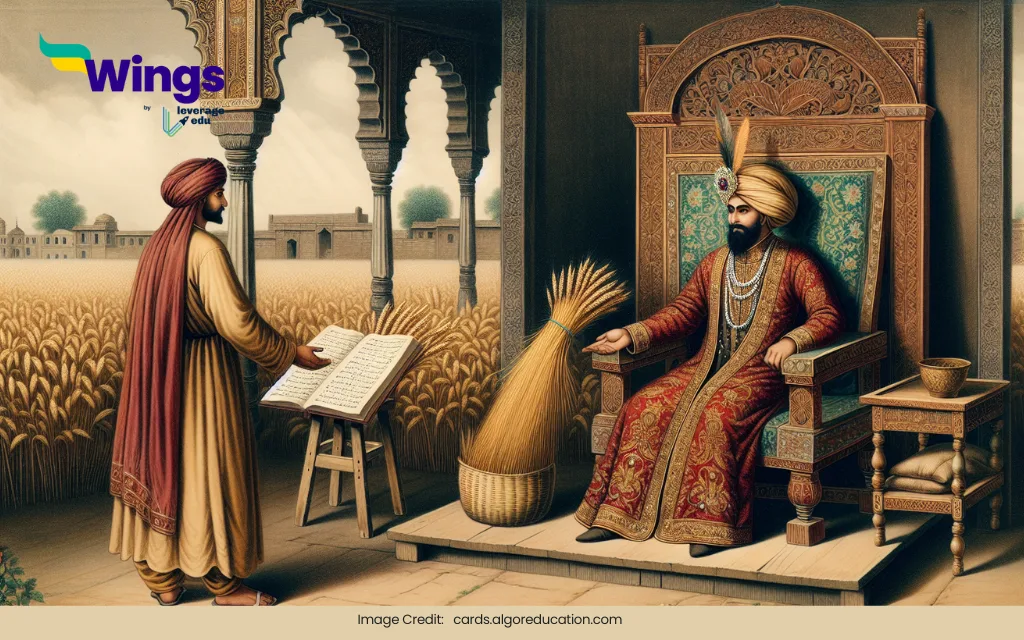
Answer: Zebt refers to the Mughal period land revenue system. As per this system, taxes on agricultural land were fixed in advance. Moreover, these taxes were annually collected. This was used to ensure that there was a steady supply of income for the Mughal Empire. In this article, you will get to learn who was the person who introduced the Zabt tax, how the Zabt system works, and why it was important. Keep reading to learn more about it.
Who Introduced the Zabt Tax?
Now you know what was Zebt. Let’s understand who introduced it. The Zabt tax was introduced by Todar Mal, a finance minister in the Emperor Akbar’s court. His efforts were to replace the irregular methods of taxation that were followed earlier. An effort was also made to curtail the corruption by the revenue officers.
How Did the Zabt System Work?
Want to know in detail what was Zabt? You need to understand how it works. The Zabt system followed this process:
- First of all, the officials conducted a land measurement and surveys of fields and crops. They recorded data from the last 10 years to understand the land productivity.
- Next, as per the results of the survey, each crop was assigned a tax rate. This means that farmers would pay depending on the kind of crop that was sown and the quality of the soil.
- It was decided that taxes would be collected annually from peasants. It was later passed on through zamindars (local chiefs), and would reach the imperial treasury.
Where was the Zabt System Applied?
The Zabt system was applied in the following regions:
- Northern India
- Parts of Gujarat
- Regions of Malwa
The organised approach helped in maintaining the revenue in these regions.
Why was Zabt Important?
Now you know what Zabt was. Let’s learn why the Zebt system is so important. The significance of this system is explained in the following points.
- Fairness and transparency: Zebt fixed rates in advance. Thus, arbitrary demands were reduced. It also made the collection more predictable.
- Economic Growth: The reliable revenue encouraged agrarian investments. It also boosted trade and led to rapid economic expansion.
- Administrative Efficiency: The provinces were divided into revenue circles, each with set rates. This helped in improving accountability and record-keeping.
Since Zamindars collected the taxes first, they were able to become powerful. Thus, at times, they challenged the Mughal rules. This showcases how important it is to have a fair system to collect taxes.


 60,000+ students trusted us with their dreams. Take the first step today!