

 One app for all your study abroad needs











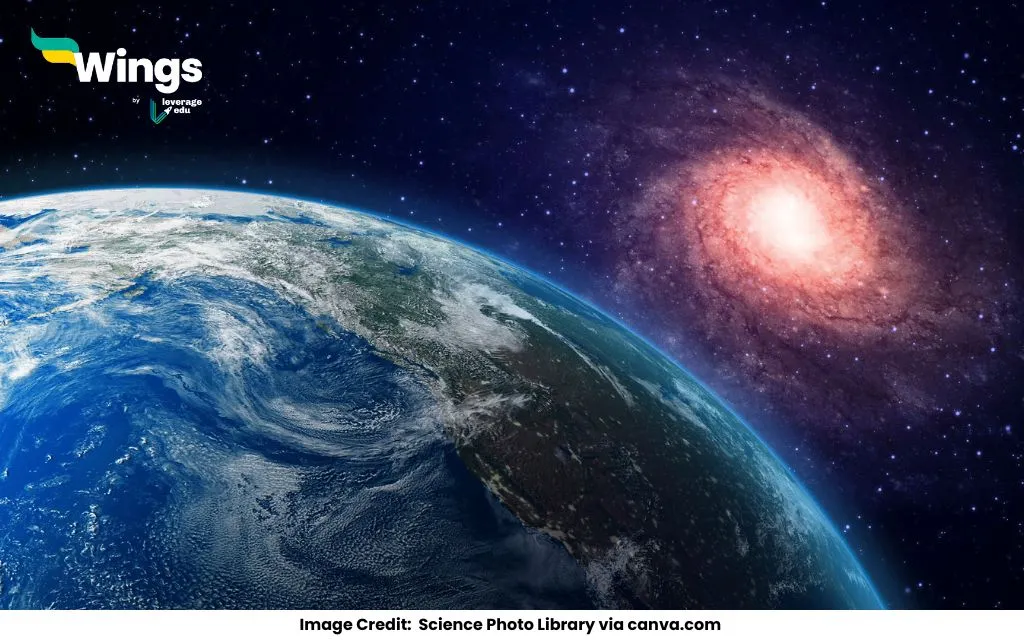
Answer: The speed of Earth’s rotation and revolution is nearly 1670 km/h and 29.8 km/s, respectively. The Earth rotates on its axis at about 1670 km/h at the equator, completing one rotation in 24 hours. It also revolves around the Sun at roughly 29.8 km/s, completing one orbit in 365.25 days. This tilt and motion cause seasons, day-night cycles, and climate variations.
Complete Answer:
The Earth has two primary motions: rotation and revolution. Rotation refers to the spinning of Earth on its axis, which takes approximately 24 hours to complete, resulting in day and night. The rotational speed is highest at the equator, around 1670 km/h (465 m/s), and decreases toward the poles due to the spherical shape of the planet. This rotation is counterclockwise when viewed from above the North Pole, meaning the Sun appears to rise in the east and set in the west.
Whereas, the Earth’s revolution refers to its orbital movement around the Sun, which takes about 365.25 days to complete one full orbit. This movement defines a year. The average speed of this revolution is approximately 29.8 km/s (107,000 km/h).
The Earth’s path around the Sun is slightly elliptical, meaning its speed varies throughout the year. It moves faster when closer to the Sun (perihelion, in early January) and slower when farther away (aphelion, in early July). This revolution, combined with the Earth’s 23.5-degree axial tilt, causes the changing seasons and varying day lengths throughout the year. Both these motions are critical for maintaining life and regulating the planet’s climate.
Common Physics Doubts:


 60,000+ students trusted us with their dreams. Take the first step today!