

 One app for all your study abroad needs











A. Calcium dichlorite
B. Calcium chlorite
C. Calcium hydrochlorite
D. Calcium hypochlorite
Correct Answer: D) Calcium Hypochlorite ( Ca(OCl)₂)
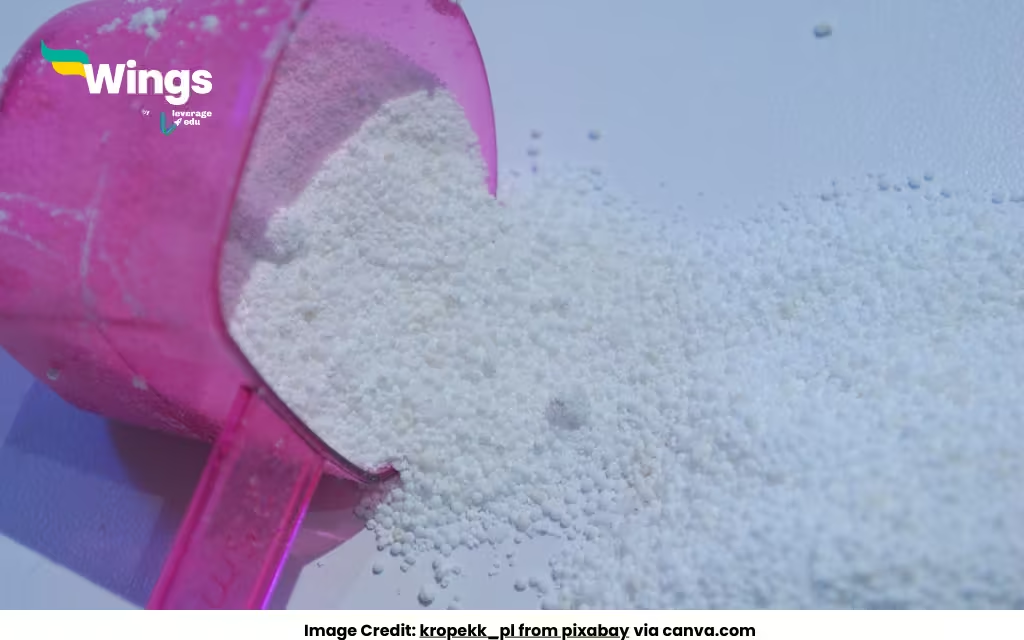
Calcium hypochlorite, aka bleaching powder, is a chemical champ used for bleaching, disinfecting, and water purification. Its chlorine-releasing power makes it a household and industrial staple, but it needs careful handling due to its reactivity. From whitening clothes to keeping pools safe, this compound shows how chemistry shapes our daily lives.
Breaking Down Bleaching Powder
Alright, let’s get into the nitty-gritty of bleaching powder! You might know it as that white, powdery stuff used to whiten clothes or clean water, but its chemical name is calcium hypochlorite, with the formula Ca(OCl)₂. This compound is a powerhouse in the world of chemistry, thanks to its ability to release chlorine, which zaps germs and bleaches stains like a pro.
Calcium hypochlorite is made by reacting chlorine gas with calcium hydroxide (slaked lime). The result is a versatile chemical that’s super useful but needs to be handled carefully because it’s reactive. For students, understanding bleaching powder is a great way to see how chemistry pops up in everyday life, from laundry rooms to swimming pools.
Quick Facts on Bleaching Powder
- Chemical Name: Calcium hypochlorite.
- Formula: Ca(OCl)₂.
- Main Uses: Bleaching, disinfecting, water treatment.
- Key Property: Releases chlorine in water.
- Safety Note: Avoid mixing with acids or ammonia.
How Bleaching Powder Works?
So, how does this stuff do its magic? It’s all about the chlorine. When calcium hypochlorite hits water, it breaks down and releases hypochlorous acid, which is a beast at killing bacteria and breaking down pigments. That’s why your white shirts stay bright and why pool water doesn’t turn into a germ soup. It’s like a chemical superhero!
The bleaching action happens because chlorine oxidizes colored molecules, turning them colorless. Meanwhile, its disinfectant power comes from attacking microbial cell walls. For science students, this is a cool example of oxidation in action, showing how one compound can wear multiple hats in practical applications.
Uses of Calcium Hypochlorite
Bleaching powder is a jack-of-all-trades. In households, it’s a go-to for whitening laundry and cleaning surfaces. In bigger settings, like water treatment plants, it purifies drinking water by wiping out harmful microbes. Ever wonder why public pools smell like chlorine? Yup, that’s calcium hypochlorite keeping the water safe for your swim.
It’s also used in industries, like paper and textile manufacturing, to bleach materials. Plus, during emergencies, like floods, it’s a lifesaver for disinfecting contaminated water. For students, learning about these uses shows how chemistry isn’t just lab stuff, it’s solving real-world problems every day.
Safety Tips for Handling Ca(OCl)₂
Okay, bleaching powder is awesome, but it’s not something to mess around with. It’s caustic, meaning it can irritate your skin, eyes, or lungs if you’re not careful. Always store it in a cool, dry place, away from acids or organic stuff, because mixing it wrong can release toxic chlorine gas. Yikes!
For students doing experiments, wear gloves and goggles, and work in a well-ventilated area. Also, never mix bleaching powder with ammonia-based cleaners, that’s a recipe for dangerous fumes. Understanding these precautions is key to appreciating the power (and responsibility) of working with chemicals like calcium hypochlorite.
Production Process of Bleaching Powder
Ever wonder how bleaching powder is made? It starts with calcium hydroxide, which is treated with chlorine gas in a controlled setup. The reaction forms calcium hypochlorite along with some calcium chloride as a byproduct. The process needs precise conditions to ensure the final product is stable and effective.
This industrial process is a great example of chemical engineering for students. It shows how raw materials are transformed into useful products through careful reactions. Plus, it’s a reminder that even common household items, like bleaching powder, have a complex backstory rooted in science.
Environmental Impact of Ca(OCl)₂
Bleaching powder is a lifesaver, but it’s not perfect. When it’s used in large amounts, like in industrial bleaching, the chlorine byproducts can harm aquatic life if they end up in rivers. Also, producing calcium hypochlorite requires energy and resources, which has its own environmental footprint.
The good news? Scientists are working on greener alternatives and better waste management to reduce these impacts. For students, this is a chance to think about how chemistry can balance utility with sustainability, making sure we keep our planet happy while keeping things clean.
Summary
Question: What is the Chemical Name of Bleaching Powder?
Answer: Chemical Name of Bleaching Powder is Calcium Hypochlorite or Ca(OCl)₂.
Bleaching powder, or calcium hypochlorite, is proof that chemistry is everywhere, from your laundry basket to the local water plant. It’s a fascinating compound that’s both powerful and practical, but it comes with a responsibility to use it safely. For students, diving into its uses and science is a great way to see chemistry in action, so next time you spot that white powder, you’ll know it’s a chemical superstar!
Also Read:
What is Blue Vitriol?
Which Indian Cricketer is also known as Little Master?
In Computer Language, 1 MB is Equal to
Warli Painting is the Folk Painting of __ State of India
The Number of Players in a Basketball Team is _____.


 60,000+ students trusted us with their dreams. Take the first step today!