

 One app for all your study abroad needs











Answer
Verified
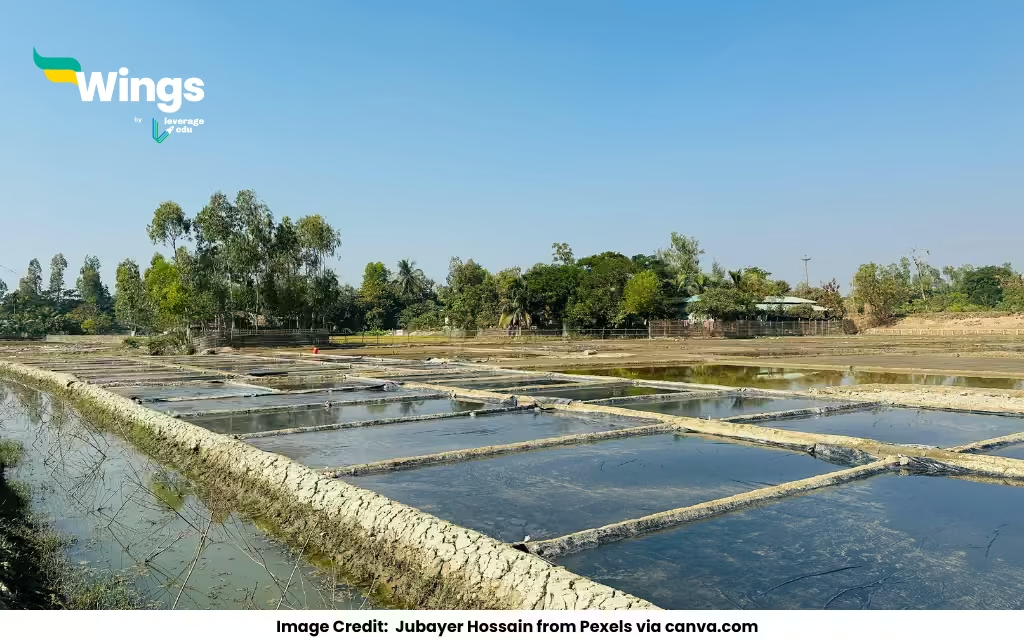
Composite fish culture, also known as polyculture, is an advanced method of fish farming where multiple species of fish are grown together in a single pond. These fish species are carefully selected to ensure they occupy different ecological niches (zones in the pond) and feed on different types of food. This efficient use of resources leads to better yield and sustainability.
Key Advantages of Composite Fish Culture
Here are the top benefits of adopting composite fish culture in aquaculture:
| Advantage | Explanation |
| Efficient Utilization of Resources | Different species utilize different levels of the pond (surface, middle, bottom), making full use of available food and space. |
| Higher Yield per Unit Area | Since multiple species are cultivated together, total fish production increases. |
| Reduced Feed Costs | Natural food present in various zones of the pond is utilized efficiently, lowering dependency on external feed. |
| Balanced Ecosystem | The presence of various species helps maintain ecological balance, reducing the growth of unwanted organisms. |
| Economic Sustainability | Higher productivity and efficient input use lead to better profitability for fish farmers. |
| Minimal Competition Among Species | Carefully selected species do not compete for the same food or habitat, ensuring harmonious growth. |
| Low Risk of Disease Spread | Diseases may not easily spread across species, reducing the risk of complete loss. |
Common Fish Species Used in Composite Fish Culture
To maximize the benefits of this system, the following fish species are commonly cultured together:
| Fish Species | Feeding Habit | Pond Zone |
| Catla | Surface feeder (zooplankton) | Surface layer |
| Rohu | Column feeder (omnivore) | Middle layer |
| Mrigal | Bottom feeder (detritus) | Bottom layer |
| Common Carp | Bottom feeder | Bottom layer |
| Grass Carp | Herbivore (aquatic plants) | Surface & middle |
| Silver Carp | Phytoplankton feeder | Surface layer |
Also Read:
The Small Flowers in a Bunch Are Called?
What Are the Red Bugs in India?
Marathi newspaper ‘Kesari’ was edited by whom?


 60,000+ students trusted us with their dreams. Take the first step today!