

 One app for all your study abroad needs











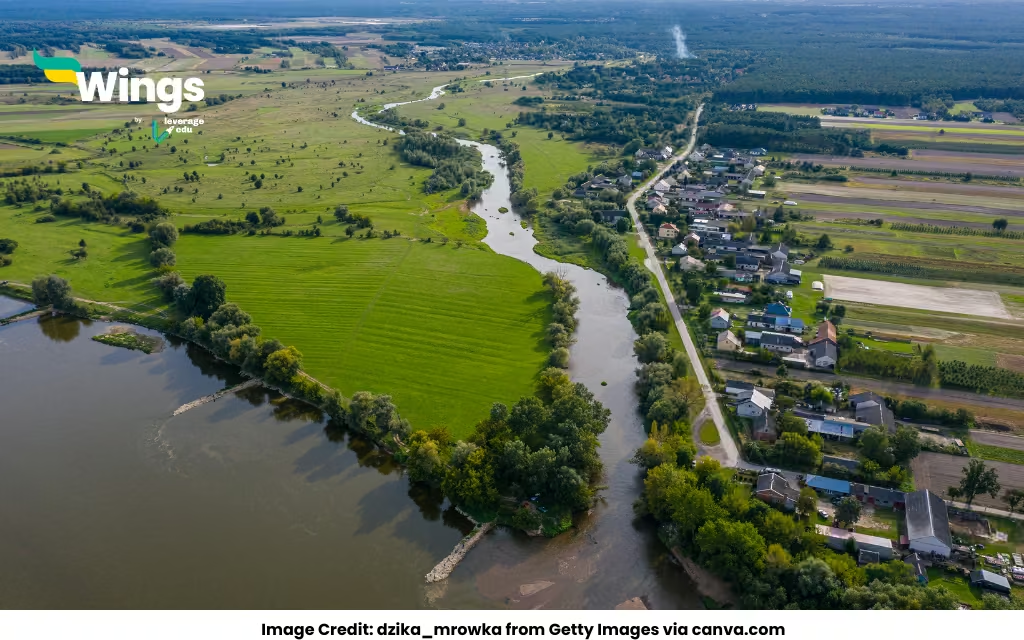
Distributaries are smaller streams or rivers that branch off from a main river and flow away from it, usually found in river deltas or floodplains. Unlike tributaries, which bring water into a main river, distributaries distribute water away from it, typically toward a larger body of water like an ocean, sea, or lake.
Distributaries play a crucial role in shaping the landscape and supporting ecosystems in delta regions. They help in sediment deposition, irrigation, and formation of fertile land suitable for agriculture.
Key Characteristics of Distributaries
| Feature | Description |
| Direction of Flow | Away from the main river |
| Common Locations | River deltas, floodplains |
| Function | Distribute water and sediment to other areas |
| Impact | Helps form deltas, fertile soil, and supports biodiversity |
| Opposite of | Tributaries (which flow into a main river) |
| Common Examples | Hooghly River (from Ganges), Atchafalaya River (from Mississippi River) |
Importance of Distributaries
Agriculture: Deposits nutrient-rich sediments, ideal for farming.
Flood Control: Spreads water over a wider area, reducing flood intensity.
Ecological Balance: Supports wetland ecosystems and biodiversity.
Navigation and Transportation: Often used for local transport and trade.
Also Read:
Who Gave the Slogan “Do or Die”?
What Are the Factors Responsible for the Success of Democracy?
Grid is a network of what?


 60,000+ students trusted us with their dreams. Take the first step today!