

 One app for all your study abroad needs











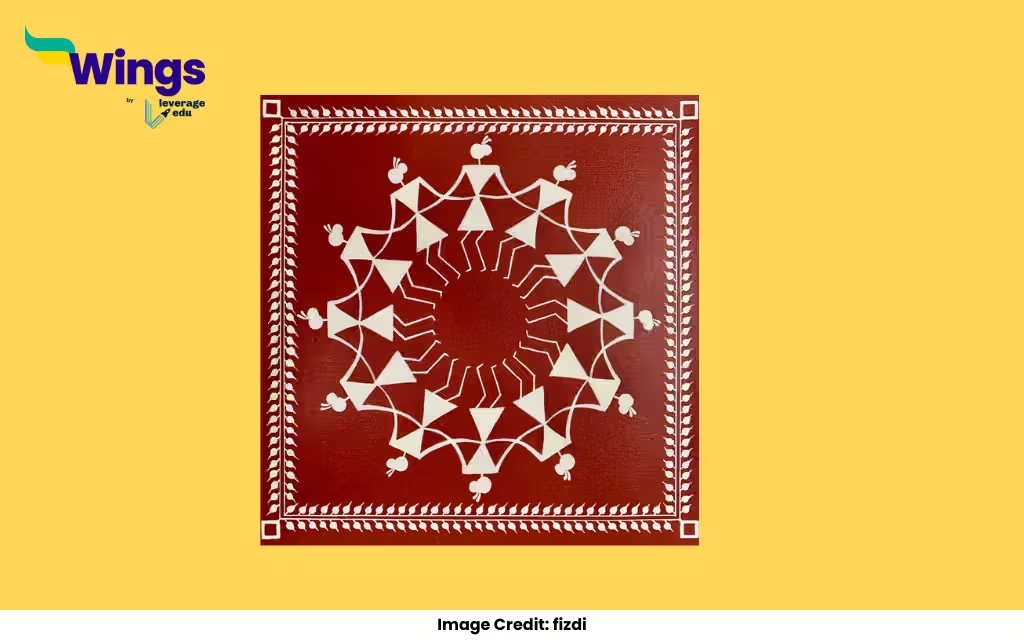
Correct Answer: d. Maharashtra
Warli painting is one of the most fascinating and ancient forms of tribal art in India, and it originates from the state of Maharashtra. Known for its simple white patterns on mud walls, Warli art tells stories of rural life, nature, and rituals through symbols and geometry.
Roots of Warli Painting in Maharashtra
Warli painting comes from the Warli tribe, a tribal community living in the Sahyadri ranges of Maharashtra, mainly in districts like Palghar and Thane. This art form is believed to have originated around 2500 BCE, making it one of the oldest surviving art traditions in India.
The Warli people used these paintings to decorate the walls of their homes during festivals, weddings, and other special occasions. They didn’t have access to paper or canvas, so they used mud walls as their canvas and white rice paste as paint. Despite being so old, Warli art has continued through generations and is now gaining global recognition.
Unique Style and Symbols of Warli Art
Warli art is easily recognizable due to its use of basic shapes, circles, triangles, and squares, to represent people, animals, trees, and day-to-day life. A circle might represent the sun or moon, triangles often symbolize trees or mountains, and squares are used to depict sacred enclosures or the home.
One of the most iconic images in Warli paintings is the ‘tarpa dance’, where men and women hold hands and dance in a spiral or circular motion, with someone playing a musical instrument called the tarpa. The simplicity of the designs doesn’t mean they lack depth, on the contrary, each figure tells a part of a story or ritual that is important to Warli culture.
Themes and Stories Told Through Warli Paintings
Warli paintings aren’t just decorative, they are narrative-based and reflect the tribe’s view of the world. Most paintings revolve around nature, agriculture, hunting, fishing, village life, and celebrations. These themes are closely tied to the tribe’s way of life and spiritual beliefs.
Unlike modern art that often uses imagination or abstract ideas, Warli painting is very much rooted in reality and daily routine. You might find depictions of women grinding grain, men climbing trees, or animals grazing. The art is a beautiful visual diary of village life and shows a strong respect for nature and community.
Tools and Materials Used in Warli Art
One of the most amazing things about Warli art is that it’s done using natural, eco-friendly materials. Traditionally, Warli artists used a paste made from rice flour, mixed with water and sometimes gum, as their white paint. The brush was often just a chewed bamboo stick.
The background is created by coating the wall with a mixture of mud and cow dung, giving it a reddish-brown color that contrasts beautifully with the white figures. Today, as Warli art moves to paper and canvas for exhibitions, some materials have modernized, but many artists still stick to traditional tools to preserve authenticity.
Warli Art in Modern Times
While Warli painting began in rural Maharashtra, it has now travelled far beyond village walls. From textile designs to home decor, museum exhibitions, and corporate logos, Warli art is being used in creative ways to keep the tradition alive.
Thanks to government initiatives and individual artists, Warli painting is now also a source of income for tribal communities. Many NGOs and art schools help Warli artists sell their work online and in urban markets. It’s not just about preserving culture anymore, it’s also about economic empowerment and recognition for tribal artists.
Quick Facts on Warli Art
- Origin: Warli Tribe, Maharashtra
- Medium: White rice paste on mud walls
- Famous motifs: Tarpa dance, animals, village life
- Shapes used: Circles, triangles, squares
- Themes: Nature, rituals, daily activities
- Modern uses: Fashion, home décor, branding, canvas painting
Summary
Question: Warli Painting is the Folk Painting of __ State of India
Answer: Warli Painting is the Folk Painting of Maharashtra. Warli painting is a proud and living tradition of Maharashtra, showcasing how a simple, tribal art form can carry so much meaning, history, and identity. From walls of mud huts to art galleries across the world, Warli art has come a long way, all while staying rooted in its origins. It is a perfect example of how culture, creativity, and community can come together to form something truly timeless.
Also Read:
Which of the Following Hill Stations do Not Experience Snowfall?
Which of the Following Hill Station is Called “Mini Switzerland of India”?
World’s Longest Railway Station Platform is Located in Which of the
Following Country
Who Discovered the Solar System?


 60,000+ students trusted us with their dreams. Take the first step today!