

 One app for all your study abroad needs











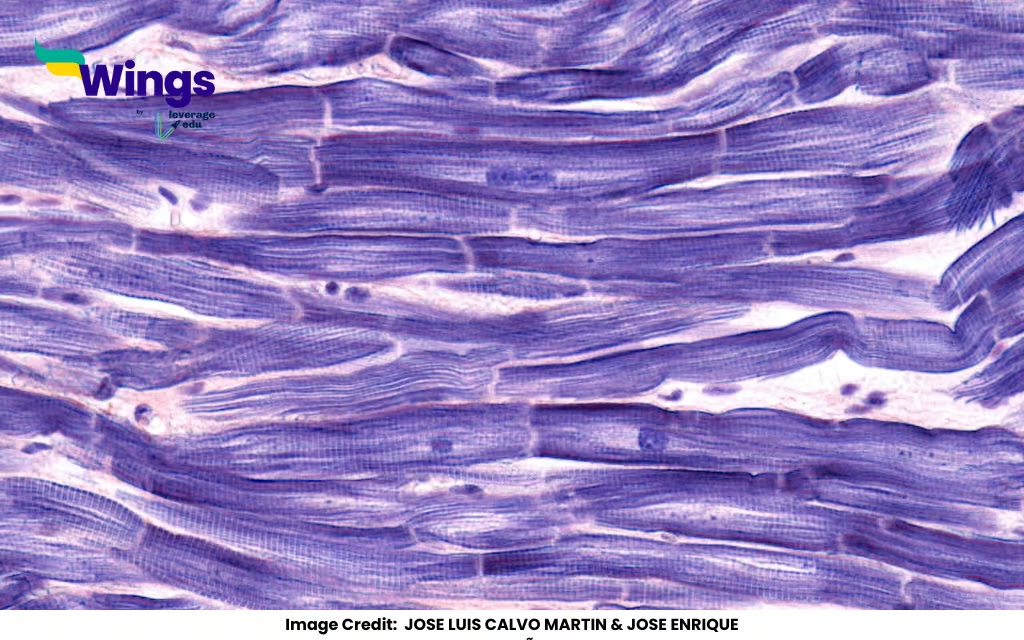
The term “myocardium” belongs to the circulatory system, specifically the muscular layer of the heart wall. It plays a vital role in pumping blood throughout the body and is essential for maintaining proper cardiovascular function.
What Is the Myocardium?
The myocardium is the middle and thickest layer of the heart wall, composed mainly of cardiac muscle tissue. It is responsible for the contraction and relaxation of the heart that enables blood circulation.
Key Features of the Myocardium
| Feature | Description |
| System | Circulatory (Cardiovascular) |
| Location | Between the epicardium (outer layer) and endocardium (inner layer) |
| Composition | Cardiac muscle cells (myocytes) |
| Function | Contracts to pump blood through the heart and into the body |
| Blood Supply | Supplied by coronary arteries |
| Control Mechanism | Involuntary; controlled by autonomic nervous system and electrical impulses |
Importance of the Myocardium in the Human Body
Heart Function: Without the myocardium, the heart wouldn’t be able to pump blood efficiently.
Oxygen Delivery: Ensures oxygen and nutrients are delivered to organs and tissues.
Removal of Waste: Aids in transporting carbon dioxide and waste products back to the lungs and kidneys.
Also Read:
What is the name of a baby cow?
What is the area of India in square kilometers?
Who was Shishupal?


 60,000+ students trusted us with their dreams. Take the first step today!