

 One app for all your study abroad needs











1. Continued existence of the Jain faith in Odisha
2. Popularity of Buddhism in Odisha
3. Existence of both Buddhism and Jainism in Odisha
4. Ashoka’s contribution to the ancient art of Odisha
Correct Answer: 1. Continued existence of the Jain faith in Odisha
The Udayagiri and Khandagiri caves in Odisha represent the continued existence of the Jain faith, built as monasteries in the 1st century BCE under King Kharavela. Their inscriptions and carvings highlight Jainism’s lasting impact, distinguishing them from Buddhist or Ashokan sites.
What’s the Story of These Caves?
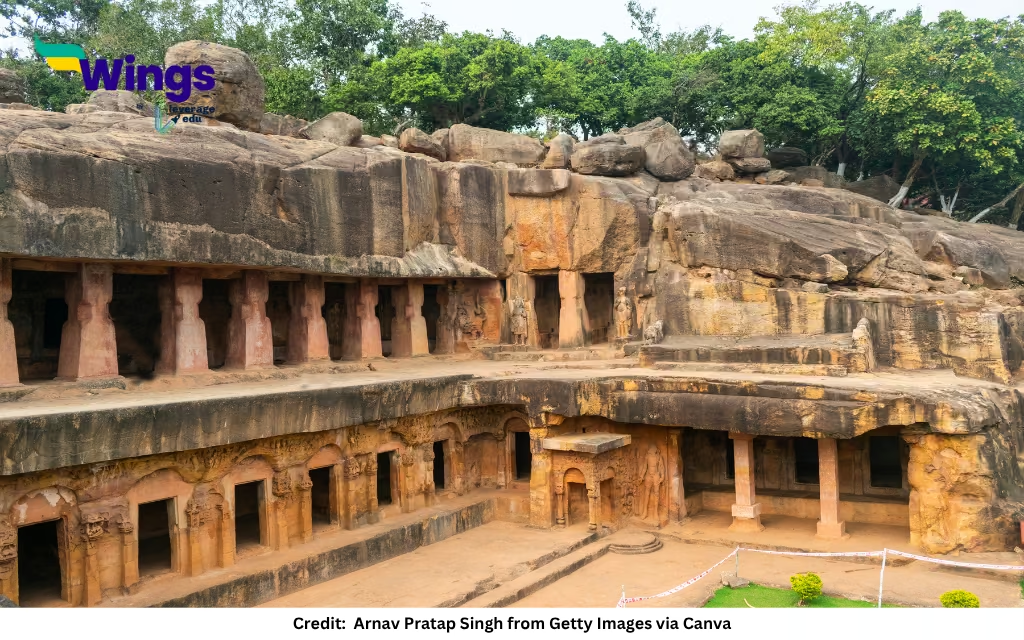
The Udayagiri and Khandagiri caves, near Bhubaneswar in Odisha, are all about the Jain faith’s deep roots in the region. Carved into twin hills around the 1st century BCE, these rock-cut caves were monasteries for Jain monks, built under King Kharavela, a devout Jain ruler. With 33 caves total (18 in Udayagiri, 15 in Khandagiri), they’re packed with carvings and inscriptions that scream Jainism’s influence. They’re like a time capsule of ancient Odisha’s spiritual life.
For students, these caves are a history goldmine. They show how Jainism wasn’t just a blip but a lasting force in Odisha, thanks to royal support and monk communities. If you’re studying ancient India, knowing these caves represent Jainism’s continued existence helps you ace questions about religious history.
Why Jainism, Not Buddhism?
The correct answer—continued existence of the Jain faith in Odisha—is spot-on because the caves were primarily Jain monasteries. The Hathigumpha inscription in Udayagiri, written by King Kharavela, brags about his Jain devotion and cave-building efforts. While Buddhism was big in Odisha, with sites like Ratnagiri, these caves are Jain-focused. The options about Buddhism, both religions, or Ashoka don’t fit—Ashoka was a Buddhist patron, and the caves aren’t a joint Jain-Buddhist project.
For students, this distinction is key. Mixing up Jain and Buddhist sites is a common error, but knowing the caves’ Jain roots helps you nail history or art questions. It’s a clear example of how Odisha was a hub for Jainism in ancient times.
Quick Facts
- Location: Bhubaneswar, Odisha
- Period: 1st century BCE
- Purpose: Jain monasteries
- Key Figure: King Kharavela
- Famous Feature: Hathigumpha inscription
What’s the Hathigumpha Inscription About?
The Hathigumpha inscription in Udayagiri’s “Elephant Cave” is a big deal. Carved by King Kharavela, it’s like his personal diary, detailing his conquests, repairs to the caves, and love for Jainism. Written in Prakrit, it’s one of India’s earliest written records, making it a treasure for historians. It proves the caves were a Jain stronghold, showing their role in keeping the faith alive in Odisha.
For students, this inscription is a must-know. It’s a primary source for understanding ancient India’s politics, religion, and culture. When studying history, mentioning the Hathigumpha inscription shows you get how Jainism thrived in Odisha, giving your answers that extra edge.
How Do the Caves Show Jainism’s Influence?
The caves’ design screams Jainism. From carvings of Tirthankaras (Jain spiritual leaders) to simple, austere layouts for monk meditation, everything reflects Jain values like non-violence and simplicity. Unlike Buddhist caves with colorful paintings, these are more about rock-cut precision and spiritual focus. The caves were practical too—monks lived, meditated, and studied here, making them a hub for Jain teachings.
For students, this shows how architecture and religion go hand in hand. Studying the caves’ Jain features helps you compare them to other ancient sites and understand Odisha’s role as a Jain center. It’s a great point for essays or exams on India’s religious history.
Why Are the Caves a Cultural Treasure?
Beyond Jainism, the caves are an artistic masterpiece. Their carvings of animals, plants, and daily life give a peek into ancient Odisha’s culture. The rock-cut style, with pillared verandas and detailed doorways, shows off the skill of artisans from Kharavela’s time. These caves aren’t just religious—they’re a snapshot of life 2,000 years ago, from trade to royal patronage.
For students, the caves are a perfect case study for art and history. They show how Jainism shaped Odisha’s culture, making them a great example for projects or discussions. Plus, their beauty makes them a cool topic to explore if you’re into ancient architecture.
Summary
Question: The numerous caves on the Udayagiri and Khandagiri hills of Odisha testify to the:
Answer: The numerous caves on the Udayagiri and Khandagiri hills of Odisha testify to the continued existence of the Jain faith in Odisha.
The Udayagiri and Khandagiri caves are a window into Jainism’s strong presence in Odisha. For students, they’re a key piece of India’s religious and artistic history, offering insights that shine in exams or projects. These caves aren’t just history—they’re a story of faith and culture that still inspires.
Also Read:
The Eight Degree Channel Separate Which of the Following?
Manasorovar Lake Lies in
Which is the 29th State of India Created in 2014?
The Highest Mountain Peak in India is ____
When is Vijay Diwas Celebrated Every Year?


 60,000+ students trusted us with their dreams. Take the first step today!