

 One app for all your study abroad needs











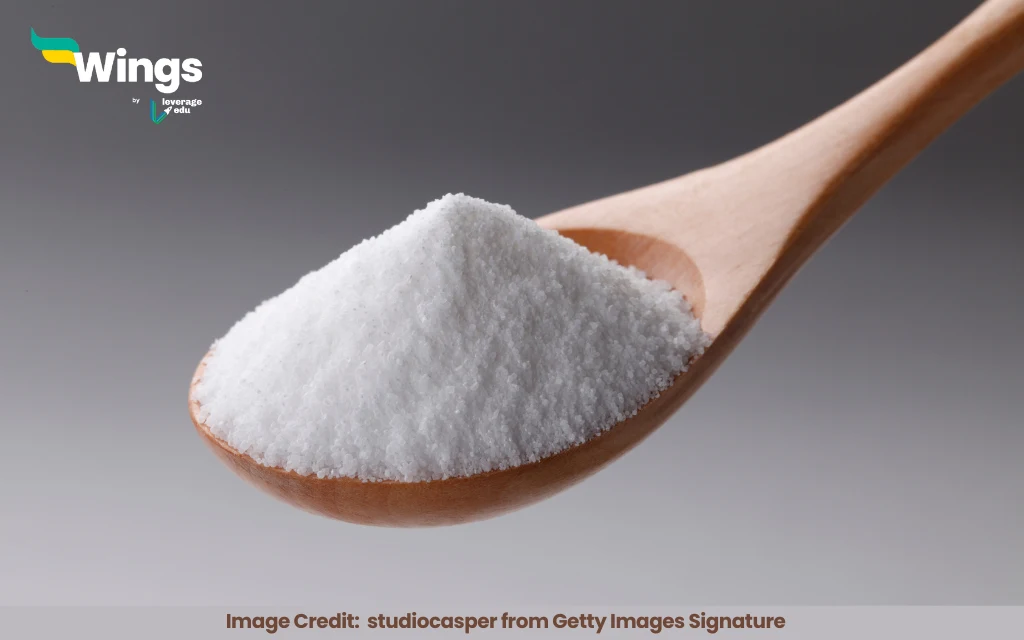
Answer: Salt is obtained from seawater by evaporation.
Salt is an essential mineral we add to our food. Did you know that it comes from the sea? To get salt, typically, seawater is collected from shallow ponds and left in the sun. Soon, the water disappears into the air. We call this process evaporation. After the process of evaporation, sparkling salt crystals are left behind for us to harvest.
How Does Evaporation Work?
Salt is obtained from seawater by evaporation. The process of evaporation is as follows:

Collection of Seawater
First, the seawater is collected into large shallow basins. These basins are called salt pans and are often built on flat coastal areas where the tides can be naturally guided in.
Sunshine and Wind
Next, the Sun’s warmth would heat the sea water. This causes the water molecules to gain energy. As the temperature increases, the water molecules at the surface move up and mix into the air as water vapour.
Formation of Salt Crystals
The remaining liquid becomes highly concentrated with dissolved salts. The salt molecules start sticking together, creating tiny salt crystals that fall to the pan’s bottom.
Harvesting
Workers would shovel the white salt crystals into heaps. Thereafter, the freshly collected salt is properly washed and dried. It is packaged and sold. This is how you get the salt packages.
Why Evaporation Is Ideal for Salt Production?
Salt is obtained from seawater by evaporation. Evaporation is considered the best step for salt production. The evaporation process is:
- Eco-friendly (only heat and wind are used). There is no requirement for electricity.
- Moreover, building salt pans is an inexpensive method.
- Moreover, salt is required by everyone. Therefore, it is a scalable model.
Fun Facts:
Now you know Salt is obtained from seawater by evaporation. Here are some fun facts about the salt production that you may have never heard of:
- Certain salt pans in tropical countries can produce more than 200 kg of salt per square meter every year.
- The pink salt that you see at the gourmet stores gets is rosy hue from tiny iron-rich minerals present. However, the same evaporation process is followed to get the pink salt as well.
- In places where there is no sunlight, factories use heated pans to speed up the process of evaporation. This process is called artificial evaporation.
Common Doubts:


 60,000+ students trusted us with their dreams. Take the first step today!