

 One app for all your study abroad needs











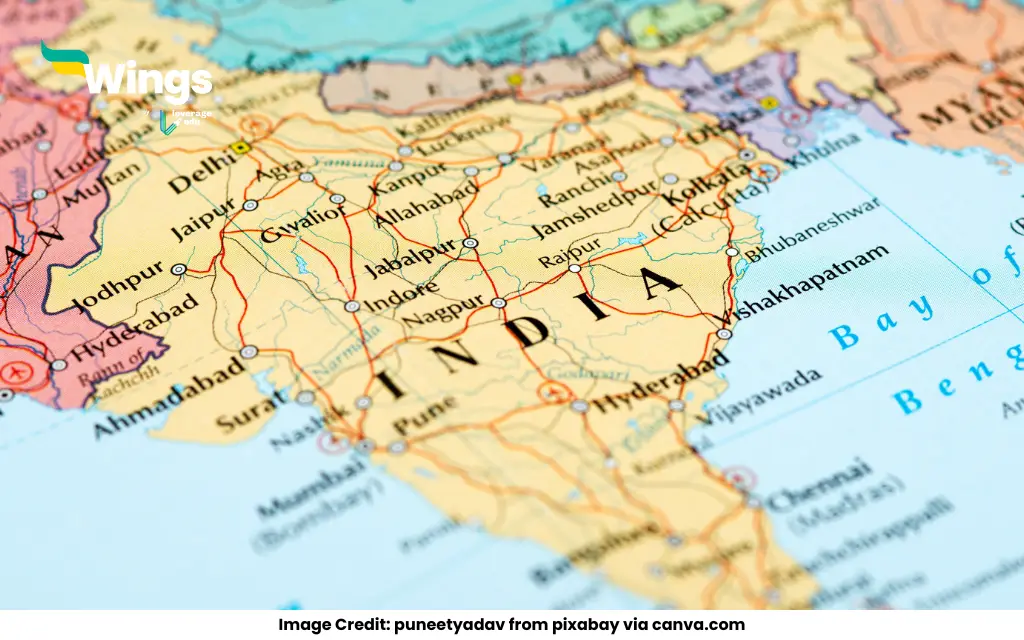
India is called a part of a subcontinent because it forms a large and distinct landmass that is geographically separated from the rest of Asia by natural boundaries. A subcontinent is basically a large landmass that is smaller than a continent but still big enough to be considered separate due to its unique physical and cultural characteristics.
India’s separation from the rest of Asia is mainly due to the presence of the Himalayas, which act as a massive natural barrier to the north. These towering mountain ranges isolate India from the vast Eurasian landmass, preventing easy movement of people and climatic influences between the two regions. On the other side, India is surrounded by water bodies—the Arabian Sea to the west, the Bay of Bengal to the east, and the Indian Ocean to the south—which further defines its boundaries and distinctiveness.
Geologically, the Indian subcontinent was once part of the ancient supercontinent Gondwana. It slowly drifted northwards and collided with the Eurasian Plate around 50 million years ago, leading to the formation of the Himalayas. This unique geological history adds to the idea of India being a separate subcontinent.
Besides physical geography, the region also shares cultural, historical, and climatic similarities, making it a distinct area within Asia.
Countries Included in the Indian Subcontinent
Apart from India, the Indian subcontinent includes the following countries:
- Pakistan
- Bangladesh
- Nepal
- Bhutan
- Sri Lanka
- Maldives
All these countries lie on the same tectonic plate and share similar monsoon climates, river systems like the Indus and Ganges, and cultural traditions influenced by historical interactions. Together, they form the Indian subcontinent, a region with a shared identity but rich in diversity.
Common Doubts of Social Science


 60,000+ students trusted us with their dreams. Take the first step today!